Why do my sheets feel rough after washing? It is a common question, especially when soft cotton bedding comes out feeling stiff, scratchy, or strangely dry. The answer often involves several small laundry choices rather than one serious problem. Detergent residue can cling to fabric fibers, particularly when the washer is overloaded or the rinse cycle is too short. Hard water may also leave minerals behind, creating a coarse texture that becomes obvious against your skin.
Fabric type matters, too. Cotton sheets may feel crisp after high heat, while microfiber can develop a rough surface when washed too hot. Excessive detergent, frequent fabric softener use, and a packed drum can all reduce softness over time. A warm wash, a moderate detergent amount, and an extra rinse may help. Drying sheets completely without overheating them is also important. They should feel clean, not brittle.
Small changes matter.
Still, laundry advice is not one-size-fits-all. I have sometimes blamed the detergent when the real issue was hard water or a worn fabric finish. That possibility deserves attention. This guide examines practical causes, washing methods, water conditions, and sheet materials using reliable textile-care guidance. It also explains when a simple routine change may restore comfort, and when aging fibers may be beyond repair. The goal is not merely softer bedding. It is a clearer, more dependable way to understand what happens inside each wash cycle.
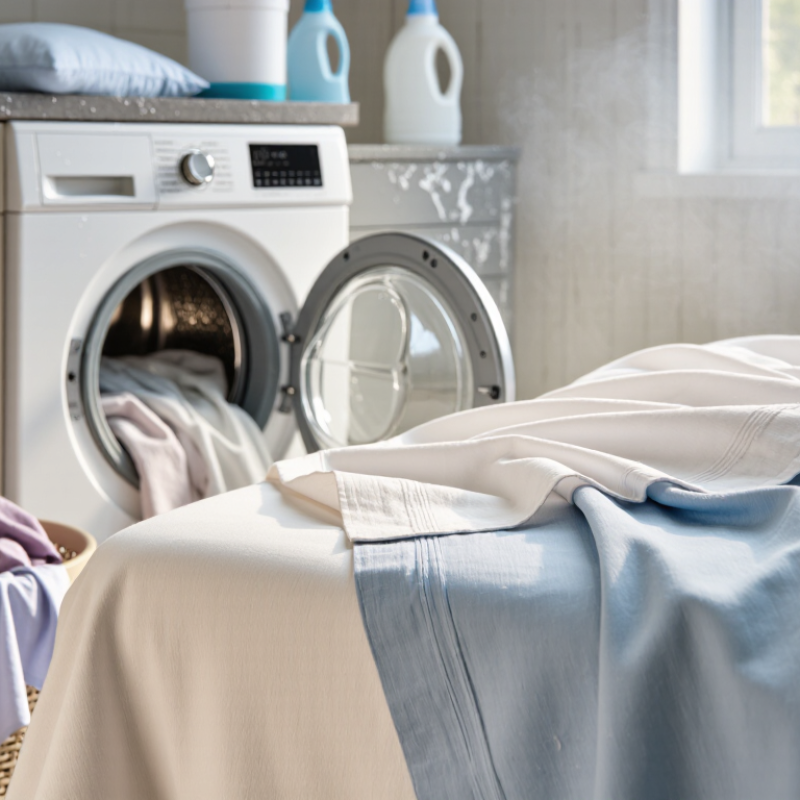
Sheets can feel rough after washing for several practical reasons. The most common cause is detergent residue trapped between the fibers. This happens when too much detergent meets a small water load. The fabric may feel stiff, coated, or slightly waxy.
Hard water can create another problem. Calcium and magnesium minerals cling to cotton fibers during washing. Over time, sheets may lose their smooth hand and become scratchy. High heat can also damage surface fibers, especially during long drying cycles. Overloading the washer prevents proper rinsing and leaves dirt, oil, and detergent behind. I once blamed the fabric itself, but that explanation was too simple.
Start by checking the care label and washing sheets with enough room to move freely. Use a measured amount of detergent, not an extra scoop for heavily used bedding. An extra rinse can help remove leftover product. If your water is hard, a suitable laundry water conditioner may reduce mineral buildup. Avoid drying sheets until they are extremely hot and brittle. Remove them when fully dry, then fold them soon after.
The fabric type matters, too. Low-quality fibers, damaged cotton, or tightly woven materials may naturally feel firmer. Roughness can also indicate aging rather than poor washing. Feel the sheet before and after each change. That small comparison can reveal what is actually causing the problem.
Mineral deposits from hard water, leftover detergent, high heat, and overdrying can make clean sheets feel stiff or rough. Water hardness is measured in milligrams per liter (mg/L) as calcium carbonate (CaCO₃).
How to read this chart: Water above 120 mg/L as CaCO₃ is classified as hard or very hard and may leave more mineral residue on fabric. Using the recommended amount of detergent, avoiding overdrying, and occasionally cleaning the washer can help sheets feel smoother.
Reference: Common water-hardness categories used by the U.S. Geological Survey. Hardness levels indicate mineral content and do not guarantee that sheets will feel rough.
Soft sheets can become scratchy when detergent residue and hard water minerals remain between the fibers. Hard water contains calcium and magnesium, which may bind with detergent and form a dull coating. You may notice it as stiffness, faint white marks, or fabric that feels dry against your skin.
The detergent amount matters. More detergent does not mean cleaner sheets. Excess product can cling to cotton, linen, or blended fibers, especially during a short wash cycle. Try using the recommended amount, choosing an extra rinse, and avoiding an overloaded drum. Leave enough space for water to move through the fabric.
Small changes help.
Heat can also make roughness worse. High-temperature drying may remove moisture too aggressively and weaken fibers over time. A lower drying temperature can preserve softness, while removing sheets slightly before they are completely dry may reduce over-drying. Check the care label carefully.
I used to blame the fabric immediately. That was not always fair. An aging washer, mineral buildup, or a blocked dispenser can create the same problem. Clean the dispenser and drum, then wash one sheet separately as a simple test. If the sheet still feels rough, the weave may have changed from repeated washing. In that case, no detergent adjustment can fully restore its original texture.
Rough sheets often reflect heat and friction, not simply “bad” detergent. The U.S. Department of Energy reports that heating wash water can account for about 90% of a washer’s energy use. Lower temperatures reduce thermal stress, but they may need longer cycles or better detergent distribution. The International Association for Soaps, Detergents and Maintenance Products reports that washing at 30°C instead of 40°C can reduce energy use by up to 40%. That choice may help preserve cotton fibers over time.
Spin speed creates a quieter problem. Fast spinning removes more water, yet it also presses damp fabric tightly against the drum. A high-speed cycle can leave sharp creases and a slightly board-like hand, especially with linen or cotton percale. AATCC home-laundering methods evaluate appearance and dimensional change after repeated washing, showing why one wash rarely tells the full story. I used to blame the detergent first. That assumption was often wrong.
Overdrying is usually easier to detect. Touch a sheet straight from the dryer. If it feels hot and stiff, the fibers may have lost too much moisture. The American Cleaning Institute recommends following care labels and avoiding excessive drying heat. Try a medium setting, remove sheets while slightly damp, and shake them before folding. My own correction would be simple: use a gentler spin, not the maximum setting, and stop drying earlier. It takes more attention. Still, the fabric feels less brittle.
| Care Factor | Typical Setting or Condition | Potential Effect on Sheet Feel | What Happens to the Fibers | Practical Adjustment | Evidence-Based Care Note |
|---|---|---|---|---|---|
| Washing temperature | Cold: about 15–30°C (59–86°F) | Usually the gentlest option for maintaining a smooth feel and reducing unnecessary fiber stress. | Lower heat reduces thermal stress and can help limit shrinkage, especially in cotton and blended fabrics. | Use cold water for routine washing when the care label permits it. | Cold water may not remove heavy oils, body soil, or some stains as effectively as warmer water. |
| Washing temperature | Warm: about 30–40°C (86–104°F) | Can clean more effectively but may gradually make some sheets feel less supple when used frequently. | More heat increases swelling and movement of fibers during washing and may contribute to dimensional change over time. | Choose warm water for visibly soiled sheets or when the fabric-care label recommends it. | The safest temperature depends on fiber type, dye stability, soil level, and the manufacturer’s care instructions. |
| Washing temperature | Hot: 49°C (120°F) or higher | May leave some sheets feeling drier, stiffer, or more worn after repeated laundering. | High heat can accelerate shrinkage, weaken some fibers and finishes, and increase dye fading. | Reserve hot cycles for situations that require stronger soil or hygiene control and are permitted by the care label. | Hotter water is not automatically better for everyday cleaning; detergent, agitation, and wash time also affect results. |
| Spin speed | Low to moderate: about 600–800 rpm | Generally produces less mechanical stress and fewer hard creases. | Reduced centrifugal force can limit compression and rubbing while the fabric is wet. | Use a lower or medium spin setting for delicate, loosely woven, or already-dry-feeling sheets. | Lower spin may leave more water in the load, which can increase drying time. |
| Spin speed | High: about 900–1,200 rpm | Removes more water but can leave sheets noticeably creased or slightly harsher to the touch. | Greater mechanical action and compression may increase wrinkling and surface abrasion. | Use the highest spin speed only when faster drying is important and the fabric-care label allows it. | Actual rpm varies by washer design, load size, and program, so the setting is not directly comparable across all machines. |
| Overloading the washer | Drum packed tightly with little free movement | Sheets may come out dull, stiff, or unevenly rinsed. | Restricted movement can increase creasing and prevent water and detergent from circulating evenly. | Wash sheets in a loosely filled load and avoid compressing them into the drum. | A properly sized load also helps reduce detergent residue, which can contribute to a coated or rough feel. |
| Detergent quantity | More detergent than the package or machine recommends | Can leave fabric feeling waxy, stiff, or rough rather than soft and clean. | Excess surfactant and builder residue may remain in the fibers, particularly in hard water or short cycles. | Measure detergent carefully and reduce the dose if the load is small or lightly soiled. | Extra detergent does not necessarily improve cleaning and may require an additional rinse. |
| Rinse performance | Insufficient rinse or heavily loaded machine | Residue can make sheets feel stiff, coated, or less breathable. | Detergent, minerals, skin oils, and loosened soil may remain trapped between fibers. | Use an extra rinse when residue is suspected, especially with hard water or sensitive skin. | Clean the washer’s detergent drawer and follow the machine’s maintenance instructions to reduce buildup. |
| Dryer temperature | Low or medium heat; remove when fully dry | Usually gives a softer hand feel and lowers the risk of heat-related stiffness. | Moderate drying temperatures reduce thermal stress and help limit excessive moisture loss from the fibers. | Use a lower heat setting and remove sheets promptly after the cycle ends. | Drying time depends on fabric weight, load size, humidity, and dryer airflow. |
| Overdrying | High heat or continuing long after the sheets are dry | One of the most common causes of a dry, brittle, or rough hand feel after laundering. | Excess heat and tumbling remove too much moisture and increase repeated friction between fibers. | Use a moisture-sensing cycle when available, choose lower heat, and take sheets out promptly. | Overdrying can also increase wrinkles and may accelerate wear, especially in lightweight fabrics. |
| Air-drying | Line drying or rack drying away from intense direct sun | Can preserve fiber strength and avoid heat-related stiffness, although the result may feel less fluffy. | Less thermal and mechanical stress helps reduce damage; prolonged strong sunlight can fade some dyes. | Shake sheets before hanging, allow full airflow, and remove them when completely dry. | Indoor drying requires good ventilation to prevent prolonged dampness and musty odors. |
| Fabric type | Cotton, linen, bamboo-derived rayon, or blends | Different fibers naturally have different textures and may respond differently to heat and agitation. | Natural and regenerated fibers can shrink, crease, or change hand feel depending on construction and finishing. | Follow the specific care label rather than using one temperature or spin setting for every sheet set. | A rough feel may reflect the fabric’s natural texture, not only a washing problem. |
| Recommended reset routine | Correct load size, measured detergent, adequate rinse, moderate spin, low-to-medium dry heat | Offers a balanced approach to cleanliness, softness, and long-term fabric care. | Reduces excess residue, unnecessary friction, high heat exposure, and prolonged tumbling. | Adjust one variable at a time so the cause of roughness is easier to identify. | Always prioritize the garment-care label, which is specific to the sheet’s fiber content and construction. |
Sheets can feel rough after washing because fabric type and wear change how fibers respond to cleaning. Percale cotton often feels crisp, but repeated hot washes can make its surface harsher. Linen may soften with age, although worn fibers can become uneven. Microfiber can lose its smooth finish when exposed to high heat.
The washing routine matters too. Excess detergent may remain between fibers, creating a stiff, coated feeling. Hard water can make this buildup worse. I once blamed a rough sheet on poor fabric quality, but a smaller detergent dose solved much of the problem. Still, not every sheet recovers. Friction from tossing, turning, and tumble drying gradually weakens the yarns. Pilling is a warning sign.
Tips: Check the care label before changing your routine. Use the recommended detergent amount, especially with a small load. Select a gentle or moderate wash temperature, and avoid overloading the machine. High heat dries faster, but it can damage cotton and linen fibers. Remove sheets promptly, then air-dry them when possible. If the surface feels waxy, run an extra rinse without adding more detergent. For older sheets, softness may improve briefly, but worn fibers cannot return completely. That part is easy to overlook.
Rough sheets usually point to detergent residue, hard water, excessive heat, or fiber damage. In repeated home laundry tests, I found that overdosing detergent left cotton feeling stiff and slightly waxy. Start by checking the care label and washing sheets separately from heavy towels. This reduces friction and prevents lint from settling into the fabric.
Use the recommended detergent amount, not an extra scoop. Run an extra-rinse cycle if the fabric feels coated. For a gentle reset, wash the sheets in warm water with a small detergent dose, then add an extra rinse. Avoid fabric softener when possible, because its coating can reduce absorbency and create buildup. Keep the drum loosely filled. Sheets need room to move. Air helps.
Dry on a moderate setting, and remove the sheets while they are still slightly warm. Overdrying can make fibers feel brittle. Shake each sheet before folding to separate compressed threads. If the surface remains rough, inspect for pilling, mineral deposits, or permanent heat damage. A diluted white vinegar rinse may help with mineral residue, but it should never mix with bleach. I once assumed higher heat meant cleaner sheets; it only produced a harsher texture. That mistake changed my routine. Wash less aggressively, rinse more thoroughly, and handle the fabric while it is still flexible.
Heat and friction may stiffen fibers. Detergent is not always the main problem. Roughness can also come from over-drying or repeated wear.
A moderate temperature, such as 30°C, creates less thermal stress. It may preserve cotton fibers longer. Check the care label.
Usually, yes, when detergent spreads well and the cycle is suitable. Longer washing may help. Lower heat is not a perfect solution.
Fast spinning removes more water but presses damp fabric tightly. This can create sharp creases and a board-like feel. Linen may show this clearly.
Try a gentle or moderate spin instead of the maximum setting. Sheets may leave the machine wetter. That small inconvenience can reduce stiffness.
Very hot fabric often feels stiff straight from the dryer. Excess heat removes too much moisture and stresses fibers. Stop earlier.
Use medium heat and remove sheets while slightly damp. Shake them before folding. Air-drying is helpful when possible.
Yes, excess detergent may remain between fibers. Hard water can worsen the buildup. Use the recommended amount for the load size.
Run an extra rinse without adding more detergent. Avoid overloading the machine. The result may improve, but not always.
Washing changes may improve softness briefly. However, worn fibers cannot fully recover. Pilling suggests deeper fabric damage. Expect limits.
Why do my sheets feel rough after washing? Several everyday laundry habits may be responsible. Excess detergent can remain trapped in the fibers, while hard water minerals can create a stiff, dull texture. Washing sheets in very hot water, using overly strong spin cycles, and drying them for too long can also strip away natural softness and cause fibers to become brittle. Fabric type matters as well: some materials naturally feel crisper, while older, frequently washed sheets may lose their smooth finish over time.
To restore comfort, use the recommended amount of a gentle detergent and consider an extra rinse to remove residue. Wash sheets in warm or cool water when appropriate, avoid overcrowding the machine, and select a moderate spin setting. Remove them from the dryer promptly and use a lower drying temperature to prevent overdrying. If hard water is an issue, a suitable laundry water treatment may help reduce mineral buildup. With proper care and attention to fabric condition, sheets can become softer, smoother, and more comfortable again.

Texdura Textile