What Bedding Helps You Sleep Faster for Better Rest?

Time:2026-06-29 Author:Mason
0%

When considering what bedding helps you sleep faster, it’s essential to understand the various factors influencing sleep quality. From mattress firmness to pillow thickness, the choice of bedding can dramatically impact how quickly you fall asleep. Quality materials, such as breathable cotton or soothing memory foam, often promote a better night’s rest.

Many people overlook the significance of their bedding. They might prioritize style over comfort, leading to restless nights. For instance, an overly soft mattress may seem inviting but can cause discomfort. On the other hand, the right duvet can make your bed feel like a cozy haven, enhancing sleep speed and quality.

Investing in sleep-friendly bedding is not just about luxury. It's about creating an environment that fosters rest. A balanced selection of comfort and support can lead to quicker sleep onset. Fostering awareness about what bedding helps you sleep faster is crucial in today’s fast-paced world. Everyone deserves restorative sleep, but it begins with informed choices about their bedding. Choosing wisely can change your sleep experience for the better.
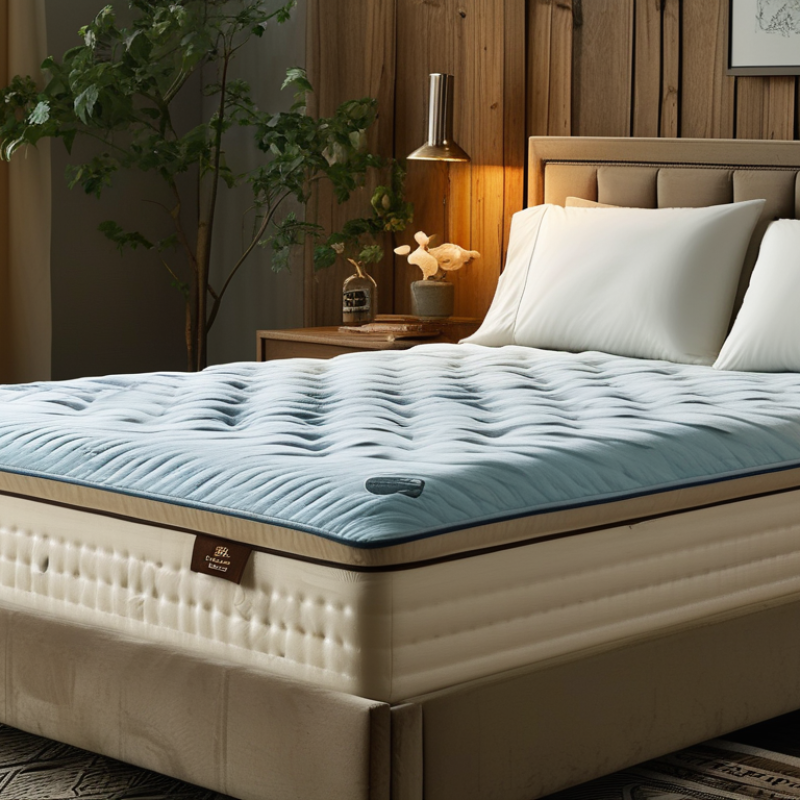
What Bedding Helps You Sleep Faster for Better Rest?

Factors to Consider When Choosing Bedding for Optimal Sleep

When choosing bedding for optimal sleep, several factors come into play. Comfort is key. Materials like cotton and linen can provide breathability. Look for a duvet or blanket that feels soft against your skin. The right texture can ease tension in your body, allowing you to relax faster.

Temperature regulation is another consideration. Your bedding should help maintain a comfortable body temperature. Too warm or too cold can disrupt sleep. Consider using layers that you can adjust according to the season. Heavier fabrics may trap heat, while lighter options can keep you cool.

Finally, it’s important to think about your personal preferences. Each sleeper is unique. Some people prefer crisp, fresh sheets, while others may like something cozier. Regularly assess your bedding. Over time, even the best materials can lose their comfort. Take note if you often wake up feeling tired or uncomfortable. This can indicate it’s time to reevaluate your choices.

Types of Fabrics That Promote Faster Sleep and Better Comfort

Choosing the right bedding fabric can significantly impact your sleep quality. Research by the National Sleep Foundation indicates that materials like cotton, linen, and bamboo allow for better airflow. These fabrics help regulate temperature, making it easier to fall asleep. In contrast, polyester often traps heat, leading to discomfort.

Cotton bedding is a favored choice due to its breathability. A study from the Journal of Sleep Research found that individuals using cotton sheets reported improved sleep quality. Linen is another excellent option. Its natural texture promotes a relaxed environment, enhancing comfort and sleep speed. It also has moisture-wicking properties, keeping you dry throughout the night.

Bamboo fabric is increasingly recognized for its softness and hypoallergenic qualities. It is known to reduce irritation and improve skin comfort. However, not everyone finds it as soothing as advertised; some may prefer the feel of traditional materials. Sleep can be subjective, and it’s essential to experiment with different fabrics. Ultimately, the right choice depends on personal preference and body temperature needs.

What Bedding Helps You Sleep Faster for Better Rest?

Fabric Type Promotes Fast Sleep Comfort Level Temperature Regulation Moisture Wicking
Cotton Yes High Good Moderate
Bamboo Yes Very High Excellent High
Linen Yes High Excellent Moderate
Silk Yes Very High Good Low
Microfiber Moderately High Good High

The Impact of Pillow Design on Sleep Quality and Restfulness

Choosing the right pillow can significantly enhance your sleep quality. Pillow design affects how well you rest at night. For instance, memory foam pillows provide support by contouring to your neck's shape. This feature can reduce pressure points and align your spine better.

Tip: Consider your sleeping position. Side sleepers generally need thicker pillows for support. Back sleepers may prefer medium loft pillows. Stomach sleepers typically benefit from thinner options to avoid neck strain.

Materials matter too. Natural fillings, like down or buckwheat, offer different levels of firmness and breathability. Some users may find that these materials help regulate temperature, keeping you cool. Remember that what works for one may not work for all. Testing multiple options is essential for finding your comfort zone.

Reflect on your pillow's lifespan. If it’s worn or flattened, it may no longer provide adequate support. Your sleep environment and practices also play a role in how restorative your sleep can be. Make adjustments and observe how they impact your restfulness.

Temperature Regulation in Bedding: Key to a Good Night's Sleep

Temperature regulation plays a crucial role in achieving quality sleep. According to the National Sleep Foundation, maintaining a comfortable sleep environment can shorten the time it takes to fall asleep by up to 25%. Bedding materials that wick moisture and regulate temperature can make a significant difference.

Fabrics like cotton, bamboo, and certain synthetic blends help in temperature control. They allow for airflow and wick away sweat. Studies show that sleeping in a cooler environment enhances sleep quality. A bedroom temperature between 60-67°F (15-19°C) is ideal for most people.

Tips: Consider using breathable sheets and moisture-wicking pillowcases. You might want to avoid heavy comforters during summer. Lightweight blankets can provide warmth without overheating. Also, layering your bedding allows for adjustments based on nightly temperature changes. Experimenting with different fabrics could lead to improved sleep outcomes. Making small changes can yield significant benefits, even if it might take time to find your perfect combination.

Maintenance Tips for Bedding to Ensure a Healthy Sleep Environment

Maintaining your bedding is crucial for a healthy sleep environment. Studies show that clean bedding can reduce allergens, contributing to better sleep quality. The National Sleep Foundation states that washing your sheets weekly can help keep dust mites and other irritants at bay. A clean, fresh bed promotes comfort, which is essential for falling asleep quickly.

To keep your bedding in top condition, consider these tips. Change your pillowcases every few days, especially if you have sensitive skin. Regularly fluff your pillows to maintain their shape and support. Additionally, use mattress protectors to guard against spills and staining. This can prolong the life of your mattress significantly.

Ensure your bedding materials are breathable. High-quality cotton or bamboo fabrics are ideal, as they wick away moisture and regulate temperature. According to the Sleep Research Society, optimal sleeping temperatures enhance overall sleep quality. Aim for an ideal range of 60 to 67 degrees Fahrenheit in your bedroom. If your bedding feels hot or clammy, it might be time to reassess your materials.

Types of Bedding and Their Impact on Sleep Quality

FAQS

: What factors should I consider when choosing bedding for better sleep?

: Comfort, temperature regulation, and personal preferences are key factors. These aspects impact your overall sleep quality.

Which fabrics are best for promoting comfort and better sleep?

Cotton, linen, and bamboo are recommended. They offer breathability and help regulate body temperature effectively.

Why is temperature regulation important in bedding?

Proper temperature control is vital for uninterrupted sleep. Too hot or too cold can lead to discomfort and wakefulness.

How often should I wash my bedding?

It’s best to wash sheets weekly. Clean bedding reduces allergens and promotes a healthier sleep environment.

Can bedding materials affect my sleep quality?

Yes, some materials like polyester may trap heat and disrupt sleep. Natural fabrics usually enhance comfort and airflow.

How can I maintain my bedding for better sleep hygiene?

Change pillowcases frequently, fluff pillows, and use mattress protectors to keep bedding fresh and prolong its lifespan.

What should I do if I often wake up uncomfortable?

Assess your bedding materials and textures. It might be time to experiment with alternatives that suit your comfort preferences.

Why is it important to reassess your bedding over time?

Bedding can lose its comfort with use. Monitor how you feel after sleep to determine if changes are necessary.

Conclusion

When considering what bedding helps you sleep faster, several factors come into play to ensure optimal rest. The choice of fabric is crucial; natural fibers like cotton and bamboo promote breathability and comfort, while certain blends can enhance moisture-wicking properties, keeping you cool throughout the night. Additionally, the design of your pillow significantly affects sleep quality; ergonomic shapes can support proper alignment and reduce discomfort.

Temperature regulation is another critical aspect of bedding. Materials that dissipate heat and allow for airflow can lead to a more restful sleep experience. Lastly, maintaining your bedding through regular cleaning and care is essential for a healthy sleep environment, free from allergens and bacteria. By focusing on these elements, you can find bedding that not only aids in falling asleep faster but also enhances your overall sleep quality.

Mason

Mason

Mason is a seasoned marketing professional with a deep expertise in the company's offerings and a passion for driving brand awareness. With a strong background in digital marketing strategies, he has an innate ability to connect with diverse audiences and effectively communicate product benefits.......