Finding the right bedding can be challenging for couples with different temperatures. It affects sleep quality, mood, and overall health. Cozy warmth is essential for some, while others prefer a cooler environment. This disparity begs the question: what bedding is best for couples with different temperatures?
Consider the materials that regulate heat. Natural fibers like cotton and linen breathe well, providing comfort for both partners. Memory foam may trap heat, making it unsuitable for those who overheat. Cooling gel mattresses can be a game-changer, promoting a balanced sleeping temperature. Each choice reflects personal preferences and influences sleep quality.
Finding a middle ground is vital. Couples might need to compromise or try different bedding options to suit both needs. Sometimes, shared bedding can lead to discomfort. Investing in dual-zone mattress toppers or separate blankets can ensure both partners are satisfied. The right bedding promotes a peaceful sleep environment, allowing for better rest and connection.
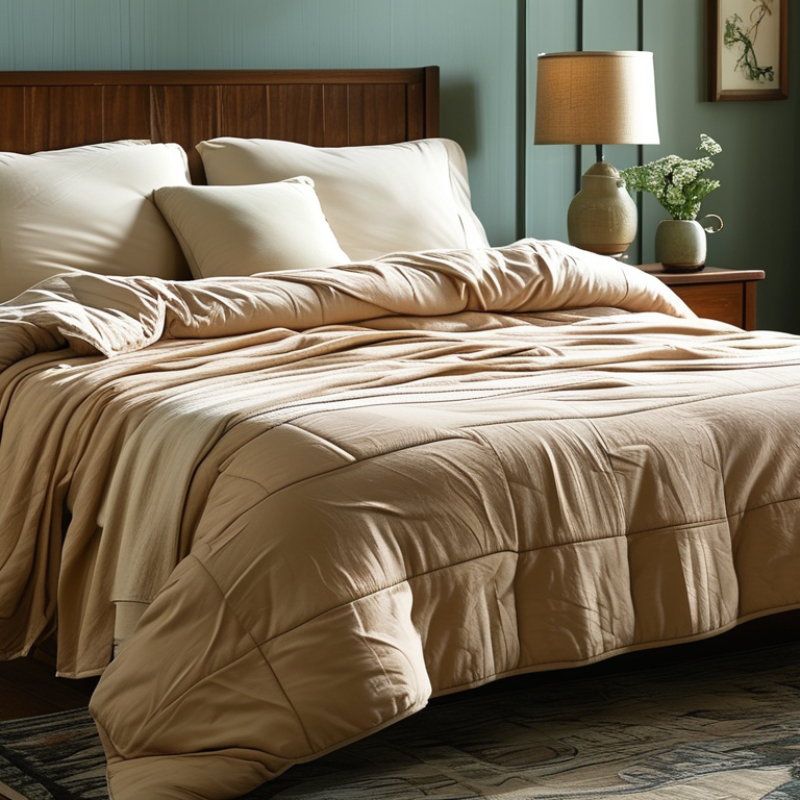
Factors to Consider for Couples with Different Temperature Preferences
When selecting bedding for couples with different temperature preferences, several important factors come into play. Material choice is crucial. For instance, breathable fabrics like cotton can help regulate heat. On the other hand, flannel is warmer but may not suit everyone. Couples should discuss their comfort needs before making a choice.
Not all layers need to match. One partner may prefer thicker blankets while the other enjoys lighter options. Mixing and layering bedding can create a personalized solution. Using a dual-layer duvet allows each partner to adjust their side. This setup acknowledges differences without needing to compromise fully.
Consider personal habits as well. Some sleepers run hot during the night, while others feel cold. This difference can lead to disruptions. Trying various bedding combinations can foster comfort. Couples should be open to experimenting with materials and styles. Keep in mind, finding the perfect bedding is often a reflective process. It can take time to identify what works best for both partners.
Types of Bedding Materials and Their Thermal Properties
When selecting bedding materials for couples with different temperature preferences, understanding thermal properties is crucial. Cotton is a popular choice. It is breathable and absorbs moisture, making it ideal for warm sleepers. However, it may leave cooler sleepers feeling chilly at night. Linen is another great option. It has excellent moisture-wicking properties and keeps you cool, yet its heavier texture might not appeal to everyone.
On the other hand, wool is a unique material. It regulates temperature effectively, trapping warmth without overheating. This makes it suitable for couples with divergent needs. Bamboo viscose is also noteworthy. It has natural cooling properties. Its silky feel adds a touch of luxury but might not provide the same warmth as flannel, which is incredibly cozy for colder nights. Consider these factors when making a choice to ensure comfort for both partners.
Top 10 Bedding Options for Couples with Different Temperatures
Best Mattress Options for Temperature Regulation
Choosing a mattress that accommodates different body temperatures can be challenging for couples. It is crucial to select options that promote comfort for both partners. Memory foam mattresses often provide great support but can retain heat. Alternatively, hybrid models with coils allow for better airflow, helping maintain a cooler sleeping environment.
Another critical factor is the mattress cover. Look for breathable fabrics like cotton or bamboo. These materials can enhance temperature regulation. Additionally, some mattresses include cooling gel layers that draw heat away, allowing for a more balanced sleeping experience.
Tips: Test the mattress before buying. Spend time lying down in various positions. Look for a mattress that works for both partners’ preferences. If one partner is often cold, consider adding extra blankets to balance out the temperatures. Keep in mind that each person’s body heat differs. Open communication is vital to make adjustments as needed.
Recommended Blankets and Duvets for Temperature Balance
Selecting the right bedding can be a challenge for couples with different temperature preferences. To achieve a harmonious sleep environment, it’s essential to consider materials that balance warmth and breathability. Look for options like a bamboo duvet, which is naturally cooling and moisture-wicking. This can help hot sleepers feel comfortable while providing just enough insulation for those who tend to feel cold.
Another excellent choice is a weighted blanket that combines breathable fabrics with light warmth. These blankets provide a sense of security, often making it easier to fall asleep without feeling overheated. For those who need additional flexibility, consider layering with temperature-regulating sheets. Linen sheets, for example, are known for their breathability and can keep both partners comfortable throughout the night. These options reflect a blend of comfort and practicality, yet they may require trial and error before settling on the perfect setup.
Finding the ideal bedding is not always straightforward. It involves testing different materials and combinations. Don’t be afraid to experiment with lighter or heavier layers based on changing seasons. Couples may find better sleep by adjusting their bedding, yet this process might take time and patience. Keeping communication open about sleep preferences will lead to a more comfortable night's rest for both partners.
Accessories to Enhance Comfort for Temperature-Diverse Couples
For couples with differing temperature preferences, bedding accessories play a crucial role in enhancing comfort. According to industry reports, nearly 70% of couples report sleep disturbances due to temperature differences. This suggests that finding the right combination of materials can lead to better sleep quality for both partners. By using adjustable blankets and cooling pillows, couples can tailor their sleep environment to their specific needs.
Cooling mattress protectors and breathable sheets also contribute significantly to a comfortable sleeping surface. Data indicates that moisture-wicking materials can effectively reduce overheating, making them ideal for warm sleepers. Additionally, couples can implement dual-zone temperature control systems. These allow each partner to select their ideal sleeping temperature, promoting harmony in the bedroom.
However, experimentation is often necessary to find the perfect combination. What works for one couple may not suit another. Regularly reassessing bedding choices is important. For instance, seasonal changes might require switching out linens or blankets. Often, couples have to navigate mismatched preferences and comfort levels. But through careful consideration and trial, achieving a restful sleep environment is not out of reach.
FAQS
: Look for mattresses that promote airflow, like hybrid models with coils. They help maintain a cooler sleeping environment.
Choose breathable fabrics such as cotton or bamboo to enhance cooling. These materials help in temperature management.
Bamboo duvets are naturally cooling and moisture-wicking, ideal for hot sleepers while providing warmth for those who are cold.
Yes, they offer light warmth and breathability, which can help both partners feel secure without overheating during sleep.
Experiment with different materials and combinations. It may take time to discover the ideal setup for both partners.
Cooling pillows, adjustable blankets, and breathable sheets can cater to each partner’s temperature needs, enhancing overall comfort.
Yes, regularly reassessing bedding is important. Seasonal changes may require different linens or blankets for optimal comfort.
Keeping open communication about sleep preferences allows couples to adjust their setup, leading to a more comfortable night’s rest.
Yes, nearly 70% of couples report disturbances caused by differing temperature preferences, highlighting the need for tailored solutions.
Couples should navigate their differences through trial and error, finding solutions that work for both partners to enhance sleep quality.
Conclusion
When it comes to what bedding is best for couples with different temperatures, selecting the right materials is crucial for ensuring a comfortable night's sleep for both partners. Factors to consider include individual thermal preferences, sleeping habits, and seasonal changes, as these elements significantly impact the overall comfort. Various bedding materials, such as breathable cotton, cooling gel-infused foams, and moisture-wicking fabrics, each come with unique thermal properties that can help regulate temperature effectively.
In addition to choosing the right mattress, which plays a vital role in temperature regulation, couples should look into recommended blankets and duvets that offer a balance between warmth and breathability. Accessories like temperature-regulating mattress toppers and targeted pillows can further enhance comfort for partners with diverse temperature preferences, allowing them to create a harmonious sleep environment that meets both of their needs.

 Texdura Textile