Choosing the right bedding size can be a daunting task. Many people ask, "what size bedding should I buy for my bed?" Understanding bedding dimensions is crucial for comfort and a good night's sleep. According to the National Sleep Foundation, inadequate bedding can impact sleep quality and overall health.
Bedding comes in various sizes: Twin, Full, Queen, and King. Unfortunately, many consumers overlook the importance of measuring their mattress. A 2021 report by the International Sleep Products Association found that 30% of people purchase bedding without checking dimensions, leading to ill-fitting sheets that can ruin sleep comfort.
Consider your sleeping style and mattress type when selecting bedding. For instance, a deep mattress may require deeper fitted sheets. Additionally, many brands vary slightly in size, which adds to the confusion. It's essential to invest time in understanding what size bedding should I buy for my bed to ensure an optimal sleeping environment. Reflecting on these factors can lead to improved sleep quality and satisfaction in your purchase.
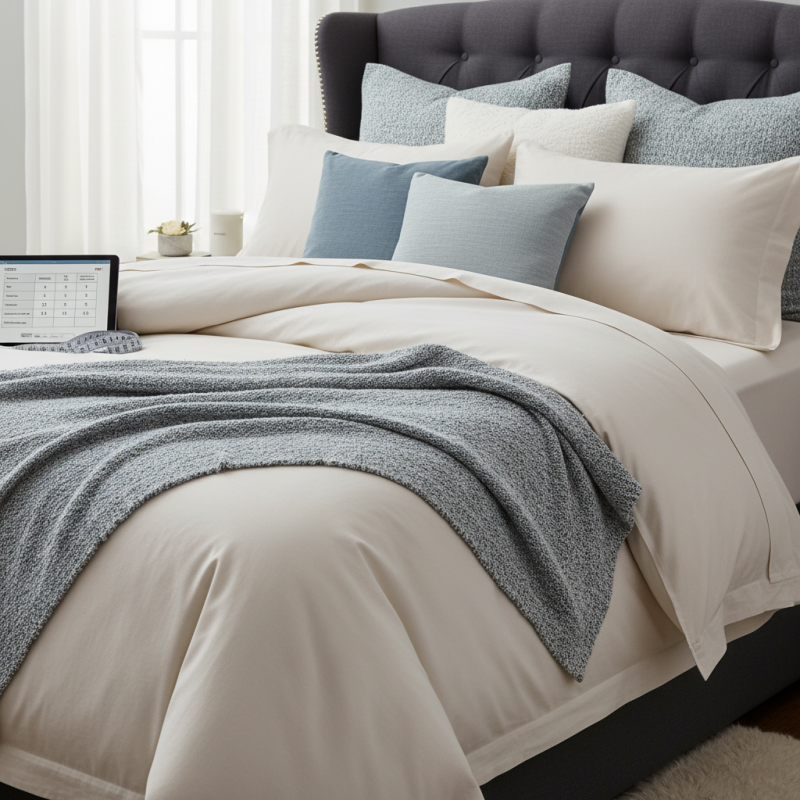
Choosing the right bedding size is crucial for a good night's sleep. Beds come in various sizes, including twin, full, queen, and king. Each size serves different needs. A twin bed suits children or small rooms. A full size works for single adults or smaller guest rooms. Queen and king sizes provide ample space for couples.
Understanding dimensions is vital. A standard queen bed measures 60 by 80 inches, while a king is 76 by 80 inches. These measurements can affect how you style your bedroom. For instance, oversized bedding might overwhelm a small room. Alternatively, smaller bedding on a larger bed can look odd. It's essential to measure your bed accurately and consider your personal comfort preferences.
Shopping for bedding can feel overwhelming. Many stores offer varied options, and differences in sizes can be confusing. You might find yourself wrestling with choices. It’s common to make mistakes, like buying a wrong-sized duvet or using mismatched pillowcases. Don’t rush the process. Take the time to explore what works best for your space and sleep habits. Consider your lifestyle, too. If you move often, versatile bedding may be more practical. Slow down and reflect on your choices.
When it comes to choosing bedding, understanding standard dimensions is crucial. Different bed types come with specific sizes that cater to various needs. A twin bed typically measures 39 by 75 inches, making it a great choice for children or smaller spaces. A twin XL is slightly longer, at 39 by 80 inches, perfect for taller individuals.
A full bed measures 54 by 75 inches. This option often suits teens or young adults. For couples, a queen bed, measuring 60 by 80 inches, is a popular pick. If you share your space, this size allows more room for movement. Finally, a king bed is the largest standard size, at 76 by 80 inches. This size is ideal for those who prefer extra space while sleeping.
Each bedding size comes with a range of comforters, sheets, and pillowcases. It's vital to select the right fit. Ill-fitting bedding can lead to discomfort. Keep in mind that many brands offer slight variations in sizing, adding to the confusion. When shopping, always double-check the measurements. Investing in the right bedding enhances your sleep quality.
Choosing the right mattress thickness is crucial for your comfort. A thicker mattress can provide better support, especially for those who sleep on their sides. However, it can be overwhelming to determine what thickness suits you best. Generally, 10 to 14 inches is a common range for most sleepers. Still, personal preferences play a large role in this decision.
Consider your body weight and sleeping position. Heavier individuals might need more thickness for adequate support. A thicker mattress with high-density foam or coil support can help maintain alignment. If you are lighter, a thinner mattress may feel just right for you. It’s essential to assess how sinking into the mattress feels.
When shopping, take time to test various options. Lay on them for at least 10 minutes. If you feel discomfort in your hips or shoulders, it might not be the right fit. Don't rush this process. It's also wise to consult with sleep experts if you're unsure about your choice. The right thickness can improve your sleep quality significantly.
When selecting bedding materials, consider the fabric type. Cotton is popular for its breathability and comfort. According to the Sleep Foundation, about 70% of consumers prefer cotton sheets for their softness and durability. However, not all cotton is created equal. Look for high thread counts for better quality, but remember that higher isn’t always better. Sometimes, lower counts can feel just as soft.
Another factor is the fabric's moisture-wicking ability. Fabrics like bamboo or microfiber excel in this area. They can help regulate body temperature during sleep. A study from the National Sleep Foundation indicates that temperature regulation significantly impacts sleep quality. Bamboo is also naturally hypoallergenic, making it an appealing choice for allergy sufferers.
Lastly, consider the seasonal aspect. Flannel sheets work well in colder months, as they provide warmth. In contrast, linen is excellent for summer, offering breathability. A report by the Better Sleep Council suggests that material choice can influence sleep patterns. Investing in proper bedding materials is essential for improving overall sleep quality. However, many people overlook this aspect and settle for whatever is convenient. Choosing wisely can lead to a more restful night.
In 2023, the bedding industry shows interesting trends. More people are leaning towards oversized bedding options. King and California King sizes are top choices for couples seeking extra space. This reflects a growing preference for comfort over compactness. A larger bed creates a cozy retreat for restful sleep.
Twin and Full sizes remain popular, especially among younger adults. College students prefer space-efficient options as they often live in smaller rooms. Nonetheless, many are realizing the advantages of larger sizes, even in limited spaces. A well-fitted bed can transform a small area into a serene escape.
Ignoring bedding size can lead to discomfort. Pillows might hang off the edge, and sheets could slide off. This isn't just about aesthetics; it affects sleep quality. As trends evolve, understanding your needs is crucial for optimal comfort. Adjusting your bedding size might require some thought, but it often pays off in improved rest.
| Bedding Size | Dimensions (inches) | Popularity (%) | Description |
|---|---|---|---|
| Twin | 39 x 75 | 15% | Ideal for children, teens, and small spaces. |
| Full | 54 x 75 | 25% | Suitable for single sleepers who want extra space. |
| Queen | 60 x 80 | 30% | The most popular size for couples. |
| King | 76 x 80 | 20% | Provides ample space for couples and families. |
| California King | 72 x 84 | 10% | Best for taller individuals needing extra length. |
: Common bed sizes include twin, full, queen, and king. Each size meets different needs.
A standard queen bed measures 60 by 80 inches. This size is suitable for couples.
Accurate measurements ensure that your bedding fits well. Oversized bedding can overwhelm small spaces.
Your lifestyle can affect bedding decisions. If you move often, versatile bedding might be better.
Yes, many prefer oversized bedding like king sizes for added comfort and space.
Avoid buying wrong-sized duvets or mismatched pillowcases. Take your time to choose wisely.
Incorrect sizes can lead to discomfort. Sheets sliding off may disrupt your sleep.
Yes, larger beds can transform small areas into cozy retreats. Many find them worth the investment.
Personal comfort varies. Reflect on how you sleep and what feels right for you.
Absolutely. Rushing can lead to poor choices. Slow down and think about your options.
When considering "what size bedding should I buy for my bed," it's essential to start with a clear understanding of bed sizes, as they can vary significantly across different types. This comprehensive guide breaks down the standard bedding dimensions for common bed types, helping you select the appropriate size based on your mattress and bed frame. Additionally, the article emphasizes the importance of choosing the right mattress thickness to enhance comfort and support your sleeping habits.
Factors such as personal preferences, room dimensions, and current industry trends, including popular bedding sizes in 2023, are also crucial to making an informed decision. By taking into account both the technical specifications and individual needs, you can ensure that your bedding complements your bedroom and promotes restful sleep.

Texdura Textile