When it comes to a restful night, choosing the right bedding is crucial, especially for allergy sufferers. Dr. Emily Richards, an expert in allergy management, states, “Selecting hypoallergenic materials can significantly reduce exposure to allergens.” Understanding what bedding is best for allergies can make a difference in sleep quality and overall health.
Many people overlook the importance of bedding materials. Traditional cotton and wool can harbor dust mites and other allergens over time. Instead, consider alternatives like anti-allergen covers, latex pillows, and microfiber sheets. These options are designed to minimize allergen accumulation.
However, not all hypoallergenic products are equal. It's essential to research brands and verify their claims. Some may use misleading terms. Comfort is vital too; make sure your bedding not only protects but also provides a cozy sleep environment. Finding what bedding is best for allergies might take some trial and error, but the effort will lead to better health and quality sleep.
Understanding Allergies and Their Impact on Sleep Quality
Allergies can significantly impact sleep quality. Individuals with allergies often experience discomfort that disrupts sleep patterns. Common allergens include dust mites, mold, pet dander, and pollen. These triggers can lead to congestion, sneezing, and skin irritations, making it difficult to find restful sleep.
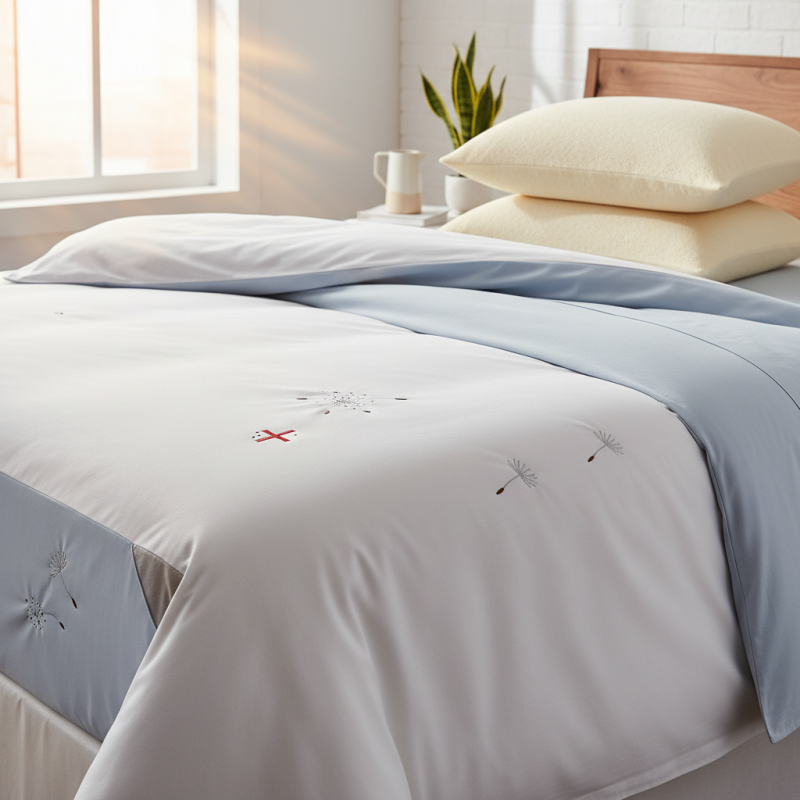
Creating a hypoallergenic sleep environment is essential. Consider using bedding made from natural materials that resist allergens. Organic cotton or linen sheets are good options. They allow for breathability and minimize irritation. Using dust mite-proof covers on pillows and mattresses can also help reduce exposure to allergens.
Some may find it easy to overlook these details. However, even small changes can make a big difference in sleep quality. Pay attention to how your body reacts to different materials. Your choice of bedding can lead to improved sleep and overall well-being. Remember, the goal is to create a safe space for rest. Reflection on your sleep environment is key.
Best Bedding Choices for Allergies
Types of Bedding Materials: Allergies and Hypoallergenic Options
When choosing bedding for allergy sufferers, material selection is crucial. Many people underestimate the impact of bedding on allergy symptoms. According to the Asthma and Allergy Foundation of America, nearly 50 million Americans experience allergies. This statistic highlights the need for hypoallergenic options in bedding.
Natural materials like cotton and wool are popular choices.
Cotton is breathable and easy to clean, making it a safe option for many. Wool naturally repels dust mites, which can trigger allergic reactions. A study revealed that wool bedding significantly reduced asthma symptoms in participants. However, finding entirely hypoallergenic products can be challenging.
Synthetic materials, such as polyester, also offer allergy-friendly options. They are often less expensive and easier to maintain. Many polyester blends are designed to be resistant to allergens. It's important to consider the filling in pillows and comforters too. Microfiber can trap allergens, so opting for tightly woven fabrics may help reduce exposure. In this way, each choice in bedding can make a tangible difference for those with allergies.
Best Mattress Choices for Allergy Sufferers
Selecting the right mattress is crucial for allergy sufferers. Many researchers recommend hypoallergenic materials, as they reduce allergens in the bedroom. Look for mattresses made from latex, memory foam, or organic cotton. These materials typically resist dust mites, mold, and other allergens.
Consider a mattress with a removable, washable cover. Regular cleaning can significantly decrease allergen accumulation. Opt for a mattress that offers good ventilation. Proper airflow can prevent moisture buildup, which can lead to mold growth. Enhanced breathability contributes to a healthier sleeping environment.
Tips for maintaining a healthy mattress include using a protective cover and vacuuming it regularly. Even hypoallergenic mattresses can develop allergens over time. Rotate your mattress every few months to ensure even wear. This practice may help extend its life and maintain its allergen-resistant properties.
What Bedding is Best for Allergies: Safe Choices for Sleep
| Bedding Type |
Material |
Hypoallergenic |
Washable |
Recommended For |
| Pillows |
Memory Foam |
Yes |
Machine Washable |
Dust Mites, Mold Allergies |
| Mattress Protectors |
Polyester, Cotton |
Yes |
Machine Washable |
Dust Mites, Allergens |
| Duvets |
Bamboo, Silk |
Yes |
Spot Clean |
Dust Mites, Pet Dander |
| Bed Sheets |
Cotton, Microfiber |
Yes |
Machine Washable |
Sweat Allergies, Dust Mites |
| Mattresses |
Natural Latex |
Yes |
Depends on Cover |
Dust Mites, Mold |
Pillows and Bedding Accessories: What to Choose for Allergy Relief
When selecting pillows and bedding accessories for allergy relief, material choice is crucial.
Hypoallergenic materials can greatly reduce dust mites, mold, and other allergens.
Look for pillows filled with synthetic materials or natural fibers that repel allergens.
Bamboo and organic cotton are excellent choices due to their breathability and moisture-wicking properties.
Keep in mind that not all natural materials are hypoallergenic, so research is essential.
Consider using protective covers for pillows and mattress pads.
These can act as barriers against allergens, extending the lifespan of your bedding.
Regularly washing your bedding in hot water also helps reduce allergen buildup.
Aim for a wash every week, particularly during allergy season.
Diverse options are available, so it's important to test different materials for comfort and allergen resistance.
Some may prefer firmer pillows, while others might gravitate towards softer options.
Experiment with different types to find what works best. Remember, what works for one person may not work for another.
Be aware of your body’s response, as personal comfort is key.
Cleaning and Maintenance Tips for Allergy-Friendly Bedding
Proper cleaning and maintenance of allergy-friendly bedding is vital for a good night's sleep. According to the American College of Allergy, Asthma, and Immunology, around 50 million Americans suffer from allergies. To combat allergens like dust mites, regular cleaning routines are essential. Washing bedding at least once a week in hot water—at least 130°F—can significantly reduce allergen levels.
Consider using mattress and pillow encasements designed to block allergens. These protective covers keep dust mites and other irritants from infiltrating your bedding. It's also important to vacuum your bedroom regularly. Using a vacuum with a HEPA filter can trap even the smallest allergens, ensuring a cleaner environment.
For long-term maintenance, replace pillows every 1-2 years. Older bedding can accumulate allergens over time, worsening symptoms. While some may choose to clean pillows, it’s not always effective. Reflect on your sleeping environment. Am I doing enough to minimize allergens? Implementing a robust cleaning schedule can make a significant difference in managing allergies efficiently.
FAQS
: Dust mites, mold, pet dander, and pollen can disrupt sleep.
Use bedding made from natural materials like organic cotton.
The right mattress can reduce allergens and improve sleep quality.
Hypoallergenic options like latex, memory foam, or organic cotton are best.
Use a removable cover and clean it regularly to reduce allergens.
Consider how your body reacts to different materials over time.
Yes, minor adjustments can lead to significant improvements in sleep.
Every few months to ensure even wear and extend its lifespan.
Good airflow prevents moisture buildup and reduces mold growth.
Many might dismiss these aspects, but they matter for better sleep.
Conclusion
When considering what bedding is best for allergies, it’s essential to understand the various allergy triggers and how they affect sleep quality. Allergies can significantly disturb rest, making it crucial for sufferers to choose bedding materials wisely. Opting for hypoallergenic options such as organic cotton, bamboo, or synthetic materials can help mitigate allergic reactions.
For mattress choices, look for those specifically designed for allergy sufferers, incorporating dust mite-resistant covers. Additionally, selecting the right pillows and bedding accessories, such as allergen-proof pillow protectors, can enhance overall comfort. Regular cleaning and maintenance of bedding are also vital to ensure a healthy sleep environment. By following these guidelines, individuals can create an allergy-friendly sleeping space that promotes better rest and well-being.

 Texdura Textile