Finding the right bedding is essential for a good night's sleep, especially as seasons change. When considering "what is the best bedding for winter vs summer," the choice can be overwhelming. According to the National Sleep Foundation, temperature plays a crucial role in sleep quality. Proper bedding can help maintain an ideal sleep environment.
Sleep expert Dr. Emily Johnson emphasizes, “Choosing the right materials for your bedding can significantly affect your comfort throughout the year.” In winter, thicker materials like flannel and down can trap heat. In contrast, lightweight cotton and breathable linen are ideal for summer. With varying seasonal temperatures, many individuals find their preferences may change unexpectedly.
Personal experiences with bedding often reveal inconsistency in comfort levels. Some may find their winter comforter too warm in early spring, while summer sheets feel inadequate during a cooling fall. As users explore their options, focusing on materials and insulation becomes vital. Finding bedding that caters to seasonal shifts is not just a choice; it’s a crucial step toward year-round sleep quality.
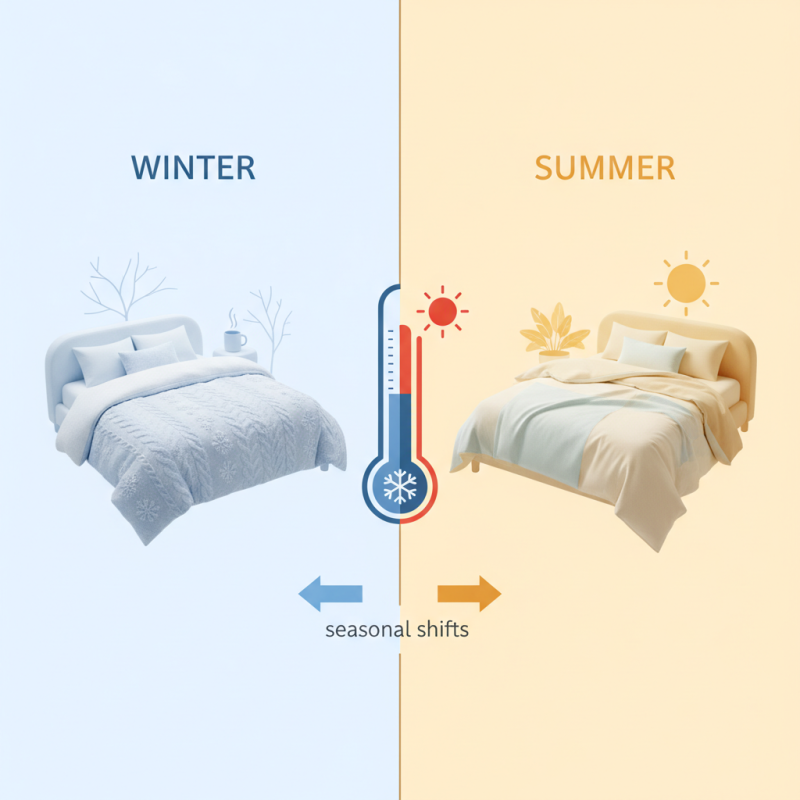
Choosing the right bedding for different seasons is essential for a good night's sleep. Bedding materials greatly affect comfort and temperature regulation. In winter, heavier fabrics like flannel or down provide warmth. These materials trap heat, creating a cozy environment. Conversely, summer calls for lightweight options. Breathable cotton or linen keeps you cool and comfortable.
Moreover, personal preferences play a role in bedding choices. Some individuals prefer the weight of a thick comforter, even in warmer months. Others might find this unbearable. Understanding your body’s response to temperature changes can guide you. Regularly assess how the bedding feels based on the season. It’s an ongoing process of trial and error.
Maintenance also matters. Seasonal bedding requires proper care to prolong its lifespan. For winter bedding, washing frequently can help prevent odors. In summer, ensuring the sheets are fresh is crucial for comfort. Reflecting on how your choices affect sleep quality can lead to better decisions. Remember, the goal is not just warmth or coolness, but overall comfort tailored to your needs.
: Seasonal bedding choices impact sleep quality and temperature regulation, ensuring comfort throughout the year.
Heavy fabrics like down, wool, and fleece trap heat, creating a warm sleeping environment during cold months.
Choose lightweight, breathable options like cotton or linen to promote airflow and keep cool on warm nights.
Individual comfort varies; some prefer heavier comforters year-round, while others find them too warm during summer.
Regular washing is vital to maintain freshness and prevent odors, especially for winter and summer bedding.
Breathable fabrics enhance sleep by regulating temperature, while synthetic materials can trap heat and disrupt rest.
Experimenting with various fabrics and insulation can help identify what works best for personal comfort.
Regularly assessing how bedding materials feel can lead to better sleep decisions and overall comfort.
While cheaper, synthetic materials often lack breathability, potentially affecting sleep quality negatively.
Yes, choosing appropriate bedding can enhance sleep, which is crucial for overall well-being and health.
When considering "what is the best bedding for winter vs summer," it's crucial to understand the distinct features that each season’s bedding materials offer. Winter bedding typically emphasizes insulation and warmth, often utilizing thicker fabrics and down materials to trap heat. In contrast, summer bedding prioritizes breathability and moisture-wicking properties, with lighter materials that promote airflow and keep you cool during warmer nights.
Additionally, comfort and temperature regulation play vital roles in bedding selection. Those who value a cozy, warm sleep may prefer heavier winter options, while individuals who tend to overheat at night might lean towards the light and airy summer choices. Personal preferences and lifestyle considerations, such as sleep habits and room climate, also significantly influence the decision. By evaluating these factors, you can determine the right bedding to ensure a comfortable sleep experience year-round.

 Texdura Textile