When considering what bedding material is best for hot sleepers, comfort and temperature regulation are paramount. Reports indicate that nearly 30% of adults in China experience sleep disturbances due to heat (Sleep Research Society, 2022). This statistic emphasizes the importance of selecting the right materials for bedding.
Cooling fabrics, such as Tencel and bamboo, have gained popularity. These materials are known for their breathability and moisture-wicking properties. A study by the Textile Research Journal found that Tencel can reduce body temperature by up to 2 degrees Celsius during sleep. This makes it an excellent choice for hot sleepers.
However, there is no one-size-fits-all solution. Personal preference plays a significant role in comfort levels. Some may prefer cotton, despite its lower moisture-wicking capabilities. It’s essential to customize your bedding choices according to individual needs. Understanding which bedding materials work best for heat regulation truly matters for a better night’s sleep.
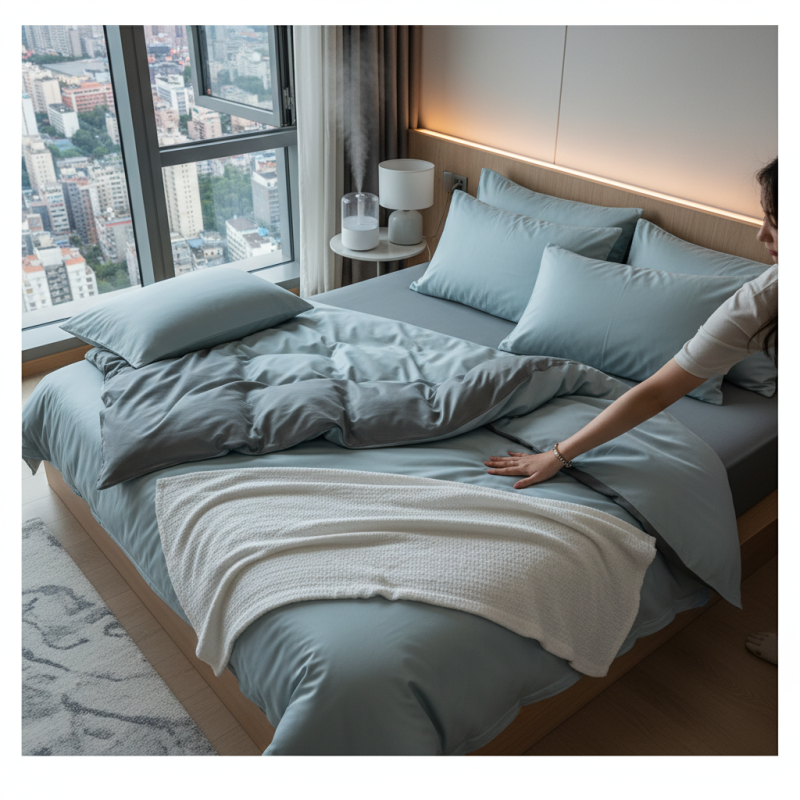
Hot sleepers often struggle to find the right bedding material. The choice can significantly impact comfort and sleep quality. Natural fibers are usually preferred for their breathability.
Cotton, for example, is soft and absorbs moisture. It helps regulate temperature effectively, making it a popular choice.
Linen, on the other hand, offers increased airflow. It is highly breathable and feels cool against the skin.
For those seeking alternatives, bamboo and Tencel are noteworthy. Bamboo has natural moisture-wicking properties. It ensures you stay dry and comfortable at night.
Tencel, derived from eucalyptus trees, is silky and temperature-regulating. Both options are eco-friendly, appealing to conscious consumers.
However, personal preferences play a crucial role. Some may not like the texture of linen or the feel of bamboo. Testing different materials can be essential in finding the perfect fit. Bedding should not only be functional but also promote relaxation. That way, you can achieve restful nights, even in warmer climates.
When choosing bedding material for warm climates in China, consider breathability as a top priority. Natural fibers like cotton and linen excel in ventilation. They help wick away moisture, keeping you cool at night. Cotton is soft and widely available. Linen has a more textured feel, but its unique properties allow for excellent airflow.
Another option worth considering is bamboo fabric. It's known for its ability to regulate temperature well. Bamboo can absorb moisture, which is advantageous during hot and humid nights. However, some may find it less durable compared to cotton. Weighing comfort against longevity is essential.
Silk is another luxurious choice, providing a cool touch that many hot sleepers appreciate. It is naturally hypoallergenic and feels pleasant on the skin. However, it may require special care, which can be a hassle. Exploring these materials can lead to a more comfortable sleep environment, tailored to your specific needs.
Hot sleepers often struggle to find the right bedding material. Breathable fabrics can significantly enhance sleep quality. Cotton is a popular choice. It offers comfort and natural breathability. However, it's essential to consider the weave.
Percale cotton provides a cooler feeling, while sateen can trap heat.
Linen is another excellent option. It's highly breathable and moisture-wicking. The texture may feel coarse to some, but it softens with each wash. Another fabric worth exploring is bamboo. It's known for its thermoregulating properties. Bamboo sheets feel cool in summer and warm in winter. The downside? They might not be as durable as cotton or linen.
Silk provides a luxurious touch. It's naturally breathable and hypoallergenic, but it can be expensive. When choosing bedding, think about maintenance. Some fabrics require special care. It's crucial to balance comfort, durability, and ease of washing. Each sleeper's needs can vary, and what works for one might not suit another. Experimentation may lead to the ideal combination.
When it comes to bedding materials for hot sleepers, cooling technology has become essential. Many products now boast advanced cooling fabrics designed to regulate temperature. These materials often use phase change technology, which helps absorb heat. Hot sleepers may find these options beneficial, especially in warmer months.
However, not all cooling technologies are created equal. Some fabrics may feel slippery or less comfortable. Users might also notice a difference in breathability between synthetic and natural fibers. While cooling technology sounds appealing, it may not always work for everyone.
A deeper understanding is necessary to find the right fit. Sleepers should consider their individual comfort needs when selecting bedding. Testing different materials at home can reveal their personal preferences. Not every cooling solution will suit every sleeper. Balancing comfort with cooling properties is key for a restful night.
Choosing the right bedding is crucial for hot sleepers in China. It can significantly improve sleep quality. Consider materials known for their moisture-wicking properties. Cotton is a popular choice due to its breathability. However, it can retain heat in humid conditions. Linen is another great option. It has natural cooling properties and dries quickly.
Silk sheets are luxurious but may not be practical for everyone. They can feel warm, especially in summer. A blend of bamboo fabric can be beneficial too. It offers sustainability and excellent airflow. During your selection, think about thread count and weave style. A lower thread count can enhance breathability.
Keep in mind that personal preferences matter. Some may prefer heavier bedding for comfort, despite the heat. Experiment to find what suits you best. Awareness of local climate is essential. In sweltering summers, lighter bedding will provide more comfort. Make gradual changes to your bedding routine for optimal results. Each adjustment can help improve your sleep experience.
| Material | Breathability | Moisture Wicking | Cooling Properties | Comfort Level |
|---|---|---|---|---|
| Bamboo | Excellent | High | Great | Very Comfortable |
| Cotton | Good | Moderate | Satisfactory | Comfortable |
| Tencel | Excellent | High | Superior | Very Comfortable |
| Linen | Good | Moderate | Good | Comfortable |
| Silk | Moderate | Low | Excellent | Luxurious |
| Synthetic Blends | Variable | Variable | Moderate | Comfortable |
| Modal | Good | High | Good | Very Comfortable |
| Microfiber | Moderate | Low | Satisfactory | Comfortable |
| Bamboo-Cotton Blend | Excellent | High | Great | Very Comfortable |
| Coolmax | High | Excellent | Superior | Comfortable |
: Natural fibers like cotton and linen are preferred. They offer breathability and help regulate temperature.
Cotton is soft, moisture-absorbing, and effectively regulates temperature. It's popular among hot sleepers.
Linen has increased airflow and feels cool against the skin. It is highly breathable for a comfortable night.
Yes, bamboo and Tencel are great alternatives. They offer moisture-wicking and cooling properties.
Bamboo keeps you dry and comfortable at night. Its natural properties are beneficial for managing moisture.
Tencel is derived from eucalyptus trees. It is silky and helps regulate temperature.
Everyone has different textures they prefer. Testing materials helps find what's comfortable for each individual.
Cooling fabrics can absorb heat and regulate temperature, making them useful for hot sleepers in warmer months.
No, they vary in comfort. Some may feel slippery or less breathable than natural fibers.
Testing different materials at home can help reveal personal preferences and comfort needs for better sleep.
In the search for the best bedding material for hot sleepers, especially in the context of China's warm climate, it’s essential to consider various factors that enhance comfort and breathability. This article outlines the top 10 bedding options that excel in wicking moisture and promoting airflow, which are crucial for those who struggle with temperature regulation during sleep.
A comparative analysis of breathable fabrics, such as cotton, linen, and bamboo, highlights their unique properties that cater to hot sleepers. Additionally, the article discusses innovative cooling technology in bedding, weighing its advantages and drawbacks. Finally, practical tips for choosing the right bedding material are provided, ensuring that readers can make informed decisions. Ultimately, understanding what bedding material is best for hot sleepers can significantly improve sleep quality and overall comfort.

Texdura Textile