When it comes to selecting quality sheets, one pivotal question arises: what thread count is best for sheets? The thread count significantly influences the feel and durability of bed linens. According to industry reports, sheets with a thread count of 200 to 400 often strike the best balance between softness and durability. Higher thread counts, while often marketed as superior, can sometimes lead to issues like stiffness.
In the Chinese market, consumers are increasingly educated about fabric quality. A survey from the China Textile Association revealed that about 70% of buyers consider thread count a deciding factor when purchasing sheets. However, this focus on numbers may overlook other quality attributes like the type of cotton used or weaving techniques. For instance, Egyptian cotton, even at a lower thread count, can offer extraordinary comfort and breathability.
Choosing sheets goes beyond just the thread count. Many brands mislead consumers by promoting high numbers without explaining the fabric's overall quality. This complicates the decision-making process. Consumers should consider various factors, such as material type and weave style, to make informed choices for their comfort. Understanding these nuances is key to finding the right bedding for a restful sleep experience.
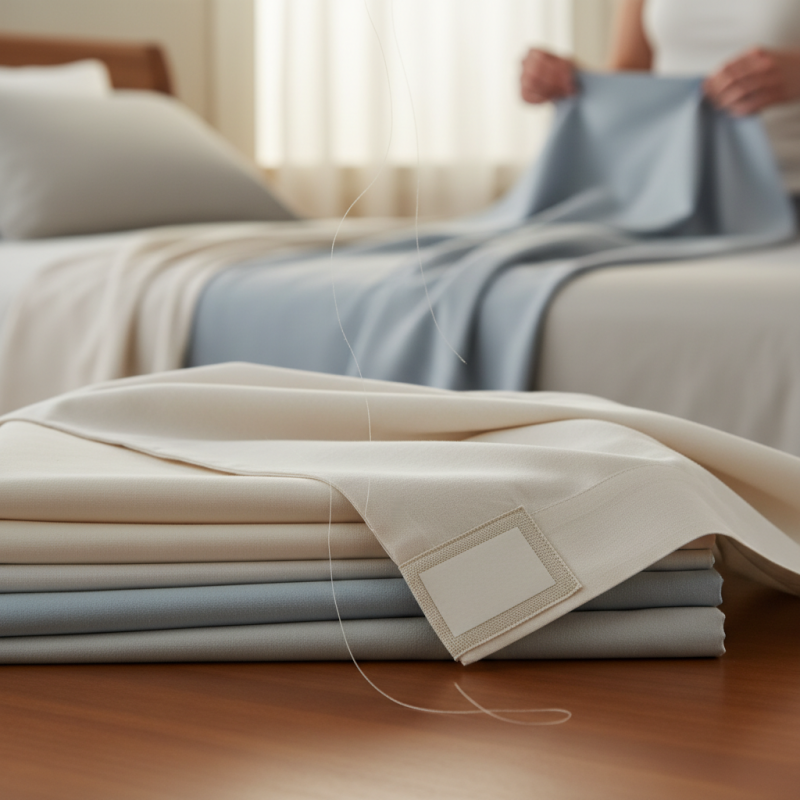
Understanding Thread Count: What Is It and Why It Matters
Thread count is a significant factor in determining the quality of bed sheets. It refers to the number of horizontal and vertical threads woven into a square inch of fabric. In general, a higher thread count suggests a denser, softer, and more durable sheet. However, the relationship between thread count and quality isn't always straightforward. Some manufacturers may inflate numbers to mislead consumers.
Understanding what constitutes a 'good' thread count is essential. Sheets with thread counts between 300 and 500 are often considered optimal. They provide a balance between softness and breathability. Sheets exceeding 800 can sometimes feel heavy and may not perform well in terms of temperature regulation. Material plays a vital role too. Cotton, especially long-staple varieties, can enhance the feel of the fabric, regardless of thread count.
Awareness and research are key. Many people mistakenly believe that a higher thread count always means better quality. This can lead to disappointment when sheets don’t meet expectations. Paying attention to the fabric type alongside thread count is crucial. A deeper understanding of these factors will help you make informed choices for better sleep comfort.
The Ideal Thread Count Range for Quality Sheets in China
When it comes to selecting quality sheets in China, thread count plays a significant role. The ideal range for thread count typically falls between 200 and 800. Sheets within this range strike a balance between softness and durability. Higher thread counts often promise luxury, but they sometimes lead to disappointment if the material isn't top-notch.
Sheets with a thread count of 200 to 400 are often breathable and comfortable, making them suitable for everyday use. On the other hand, counts over 600 can feel plush and indulgent, yet they may cause overheating during warm nights. It's essential to consider the fabric type too. Cotton sheets, for example, age well and maintain their softness.
However, not all high thread counts equal quality. Some manufacturers use techniques to artificially inflate the count. This can lead to misleading values that don't reflect the actual feel of the fabric. Always inspect the material, and don’t hesitate to touch and feel before purchasing. A balance between thread count and fabric quality is key in finding the perfect sheets.
Impact of Fiber Type on Thread Count and Sheet Quality
When it comes to selecting quality sheets in China, fiber type plays a significant role. Different fibers impact the feel, durability, and breathability of the sheets. Cotton, for instance, is renowned for its softness and moisture-wicking properties. On the other hand, synthetic fibers may offer greater durability but can lack the same comfort.
Thread count often overshadows the importance of fiber quality. A high thread count can sound appealing, but it does not guarantee superior sheets. Low-quality fibers can make even high thread count sheets feel coarse and uncomfortable. In this sense, it’s critical to focus on fiber type first. For instance, Egyptian cotton is often touted for its long fibers, leading to smoother sheets.
While aiming for the best sheets, consumers sometimes overlook ethical sourcing and environmental impact. Sheets made from organic fibers may vary in feel but contribute to sustainable practices. Therefore, individuals should not only consider comfort but also make mindful choices that support good production practices. Reflecting on these factors can lead to better purchasing decisions, resulting in a more satisfying sleep experience.
Comparative Analysis of Thread Count Standards in China and Abroad
In the world of bed linens, thread count often dictates perceived quality. In China, the standards for thread count can differ substantially compared to international norms. This leads to varying perceptions of comfort and durability. A common benchmark overseas suggests that 300-500 thread counts are ideal for high-quality sheets. However, Chinese consumers may find lower counts still provide acceptable comfort, due to differences in manufacturing techniques.
Knowing how to evaluate thread count can ensure a satisfying purchase. A key insight is that a higher thread count doesn't always mean better quality. Fabric type and weave also play critical roles. For instance, 200 count Egyptian cotton may outperform 500 count polyester.
For those navigating this landscape, a few tips can be helpful. Firstly, touch the fabric before purchasing. Feeling the texture can give a sense of quality that numbers cannot convey. Additionally, consider care instructions; some high thread count sheets require special handling. Finally, read reviews from a variety of sources to gauge consumer experiences. It’s also wise to reflect on what is most important to you—softness, durability, or breathability—when making your choice.
Consumer Preferences: Price vs. Thread Count in the Chinese Market
When choosing quality sheets in China, consumers often weigh thread count against price. Many believe higher thread counts equal better quality. However, this isn't always true. Some premium sheets might have lower thread counts yet offer superior comfort. Understanding what matters can lead to more informed choices.
One factor to consider is the material. Cotton sheets, especially Egyptian and Pima cotton, often excel in softness and durability. Thread count plays a role but is not the sole indicator of quality. A 300-thread count sheet can feel better than a 600-thread count sheet made with inferior materials.
Tips: Always feel the fabric before buying. Look for sheets that offer a balance between thread count and material quality. Reading customer reviews can also shed light on real-life experiences.
Price is another critical consideration. Some consumers might overlook quality in pursuit of cost savings. Yet, investing in better sheets can enhance sleep quality. Remember, a good night's sleep impacts overall health. Thus, the choice between price and thread count shouldn't be rushed. Reflect on your needs and preferences.
Thread Count vs. Price Preferences for Quality Sheets in China
FAQS
: The ideal thread count range typically falls between 200 and 800. This range balances softness and durability well.
Higher thread counts can be misleading if the material quality is poor. Softness can be compromised despite high numbers.
Yes, sheets with 200 to 400 thread counts are often breathable and comfortable. They work well for daily use.
Sheets over 600 can feel plush but may cause overheating. This can be uncomfortable on warm nights.
Always feel the fabric before buying. Check both thread count and material quality to find the right balance.
Yes, price is significant. However, cheaper sheets may sacrifice quality for cost. Consider investing for better sleep.
Absolutely. The type of fabric affects softness and durability. Cotton, especially high-quality types, often lasts longer.
Yes, sheets with lower thread counts can feel softer than higher counts if made from quality materials.
No, some manufacturers inflate thread counts. Always check the actual feel and material quality before purchasing.
Quality sheets can enhance sleep. A good night’s sleep is vital for overall health, so choose wisely.
Conclusion
In the pursuit of quality sheets, one key factor that consumers often consider is thread count. The article explores "what thread count is best for sheets" by emphasizing the significance of understanding thread count and its impact on the overall sleeping experience. It outlines that the ideal thread count range for quality sheets in China typically falls between 300 and 600, as this range balances durability, softness, and breathability.
Moreover, the article delves into how different fiber types, such as cotton or linen, can influence thread count and affect the quality of sheets. A comparative analysis showcases varying thread count standards both in China and internationally, providing insight into consumer preferences that often weigh price against thread count. Ultimately, this examination aims to guide consumers in making informed decisions when choosing sheets that offer the best quality for their needs.

 Texdura Textile