Sleep is essential for overall health. Yet, many overlook how their sleeping environment affects rest quality. A key aspect of this environment is the cleanliness of bed sheets. According to the National Sleep Foundation, bed cleanliness can significantly impact sleep quality.
So, how often should you change your bed sheets? Studies suggest changing sheets at least every one to two weeks. This recommendation stems from the accumulation of dust mites, sweat, and skin cells. It’s estimated that an unwashed bed sheet can harbor over 1.5 million allergens.
Many people, however, do not adhere to this guideline. A survey indicated that 19% of respondents change sheets only monthly. This neglect can lead to poor sleep and skin issues. Investing in clean sheets can promote better sleep and strengthen one’s well-being. Regularly changing sheets is a simple yet effective strategy for enhancing sleep quality.
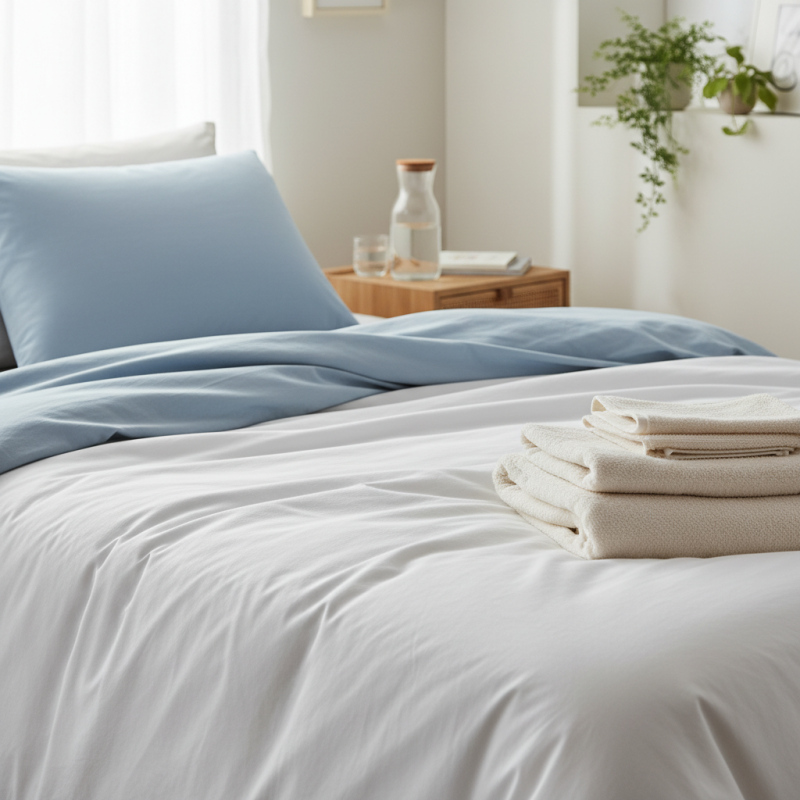
Clean bed sheets are essential for a good night's sleep. Dust mites, allergens, and bacteria thrive in dirty linens. When you sleep on unwashed sheets, you expose yourself to these irritants. This can lead to disrupted sleep and health issues.
Regularly changing your sheets can significantly improve sleep quality. Ideally, aim to wash them weekly. If you sweat a lot or have pets, consider washing more frequently. The fresh scent of clean linens creates a calming atmosphere. It signals your brain that it’s time to relax. A simple act like this can enhance your sleeping experience.
Many people overlook the state of their sheets. Some may think that changing them every couple of weeks is enough. However, this can lead to a buildup of dirt and allergens. Dirty sheets can also contribute to skin irritations, affecting comfort while sleeping. Reflecting on your habits can lead to better sleep hygiene.
When it comes to achieving better sleep, the frequency of changing bed sheets plays a significant role. Experts recommend changing your bed sheets at least once a week. This practice helps reduce the accumulation of dust mites, allergens, and bacteria that thrive in unwashed linens. Regular washing keeps your sleeping environment clean and can lead to a fresher smell, enhancing your overall sleep quality.
However, not everyone adheres to this advice. Many find it challenging to maintain a weekly schedule. The busy lifestyle can push laundry to the bottom of the priority list. In such cases, it is still advisable to aim for at least every two weeks. This frequency might not be ideal, but it is better than neglecting your sheets altogether. Also, consider factors like skin sensitivity and allergies, which may necessitate a more frequent change.
When it comes to bed sheets, various factors impact how frequently they should be washed. For example, your lifestyle plays a major role. If you sweat a lot at night, consider washing your sheets weekly. Dirty sheets can lead to skin issues or allergies, disrupting your sleep.
Another key factor is how many people share your bed. A combination of people sleeping under one roof can accumulate more dirt and germs. Pets add another layer of complexity. Pet dander can irritate sensitive individuals. This might require more frequent washing.
Consider also personal health issues. If you're feeling unwell or have seasonal allergies, clean sheets can provide relief. The fabric type matters too. Certain materials harbor more allergens than others, influencing your need to wash them regularly. Reflecting on these factors can help you find a routine that supports your sleep quality. The goal is to maintain a clean and comfortable sleeping environment.
Properly washing and caring for your bed sheets is essential for a good night's sleep. Experts recommend changing and washing your sheets every one to two weeks. According to a survey by The American Cleaning Institute, 91% of Americans admit to not changing their sheets as often as they should. This can lead to a buildup of allergens, dust mites, and bacteria, all of which can negatively impact sleep quality.
When washing your sheets, use hot water to effectively eliminate germs and allergens. A temperature of at least 140°F can help in this process. Additionally, using a mild detergent free of harsh chemicals is crucial. Frequent exposure to strong chemicals can irritate the skin and respiratory system, which is an area often overlooked. Drying your sheets on a medium setting in the dryer can also help kill any remaining pathogens while preventing fabric damage.
It is important to regularly inspect your sheets for signs of wear and tear. Small rips or frayed edges can harbor bacteria and disrupt comfort. Replacing worn sheets not only enhances sleep quality but also maintains hygiene. Remember, a small investment in proper care can lead to significant improvements in health and sleep.
| Frequency | Reason | Tips for Care |
|---|---|---|
| Once a week | Helps reduce allergens and improve overall hygiene. | Wash in hot water to kill dust mites. |
| Every two weeks | Suitable for those with low allergen sensitivities. | Use mild detergent and avoid fabric softeners. |
| Monthly | Can be acceptable for those who do not sweat much at night. | Inspect for stains or odors before washing. |
| After illness | Important to prevent re-exposure to germs. | Use disinfectant in wash if possible. |
Dirty bed sheets can affect your sleep quality. If you notice a musty smell when you crawl into bed, it's time for a change. Odors indicate that moisture and bacteria have built up. Bed sheets should feel fresh and clean against your skin.
Another sign is visible stains. Spills from drinks, sweat, or skin oils can accumulate over time. These stains not only look unappealing but can also harbor allergens and irritants. If you see discoloration, consider changing your sheets more frequently.
Allergies may worsen due to unwashed sheets. Dust mites thrive in bedding, and their waste can trigger reactions. If you wake up feeling congested or itchy, your sheets might be the culprit. Aim to wash them at least every week or two. Adjust this based on your own needs and lifestyle.
: Change and wash your sheets every one to two weeks for better sleep quality.
Use hot water at least 140°F to eliminate germs and allergens effectively.
Choose a mild detergent free of harsh chemicals to avoid skin irritation.
Yes, use a medium setting to kill pathogens while preventing fabric damage.
If they smell musty or have visible stains, it's time to change them.
Bacteria, dust mites, and allergens can build up, negatively impacting sleep quality.
Look for small rips or frayed edges, as they can harbor bacteria.
Yes, unwashed sheets can worsen allergies due to dust mites and their waste.
Fresh sheets should feel clean and comfortable, enhancing your sleep experience.
Yes, stains not only look bad but can harbor allergens, so replace them regularly.
When considering how often should you change your bed sheets, it's essential to recognize the impact of clean linens on sleep quality. Experts generally recommend changing sheets every one to two weeks, but this frequency can vary depending on individual lifestyle factors such as sweating, allergies, or if you have pets. Regularly changing your bed sheets helps eliminate dust mites, allergens, and bacteria, promoting a healthier sleeping environment.
To ensure your sheets are properly cared for, follow washing instructions and maintain a cleaning routine that suits your personal needs. Additionally, be alert for signs that indicate it's time to change your bed sheets, such as wear and tear, persistent odors, or spotting. By being mindful of these factors, you can significantly enhance your sleep experience and overall well-being.

Texdura Textile