When considering how to choose bedding for sensitive skin, many factors come into play. As reported by the American Academy of Dermatology, nearly 50 million Americans suffer from skin conditions, which can be exacerbated by low-quality bedding. The choice of materials can significantly affect comfort levels. For example, cotton and bamboo are often recommended for their hypoallergenic properties. These fabrics can minimize irritation and provide a soft touch against the skin.
Comfort is essential, but safety cannot be overlooked. Many bedding products contain harmful chemicals that can trigger reactions. According to a study by the Consumer Product Safety Commission, chemical irritants in bedding can affect skin health. Choosing organic or certified materials can reduce these risks. Labeling and certifications are crucial indicators of product safety. However, consumers must remain vigilant. Not every brand is transparent about their processes and ingredients, leaving room for potential pitfalls.
Overall, navigating the bedding market requires careful consideration. Understanding how to choose bedding for sensitive skin is vital for achieving restorative sleep. Educated decisions can lead to improved skin health and overall well-being. Selecting the right bedding will take time and research, but your skin deserves the best care possible.
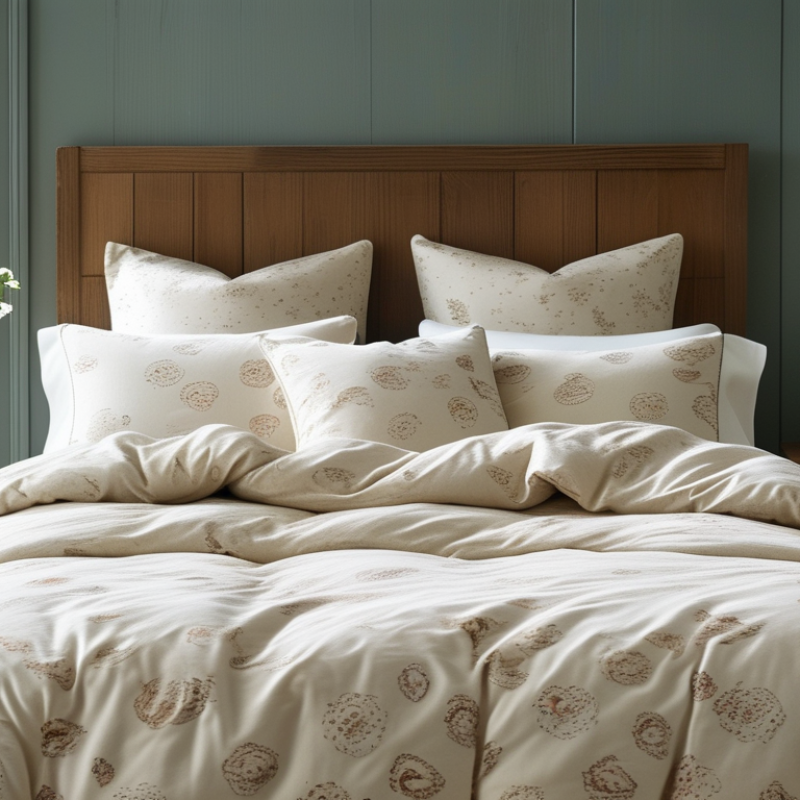
Sensitive skin requires special attention when choosing bedding. This type of skin is more susceptible to irritation, allergies, and discomfort. Studies indicate that nearly 60% of individuals with sensitive skin experience adverse reactions to harsh fabrics and chemical treatments. The choice of materials becomes essential for a peaceful night's sleep.
Natural fibers like cotton, bamboo, and linen are often recommended. They are breathable and hypoallergenic, reducing the risk of skin irritation. A 2021 report found that organic cotton bedding reduced allergic reactions by 30% in sensitive individuals. Keep in mind that not all cotton is created equal; opt for threads with a high-quality weave to ensure softness.
When selecting bedding, consider the thread count. Higher thread counts, typically over 300, can enhance comfort but may not suit everyone. Some people find that very high thread counts trap heat and moisture. To avoid this, explore lighter options like percale weaves.
Consider washing new bedding before use. This removes any chemical residues that could irritate the skin. Hot water washes often help eliminate allergens. Ensure that detergents used are free of dyes and fragrances, as these can exacerbate sensitivities. Always test new materials by feeling the texture against your skin, reflecting on how it affects your comfort level.
| Bedding Type | Material | Hypoallergenic | Breathability | Care Instructions |
|---|---|---|---|---|
| Cotton Bedding | 100% Organic Cotton | Yes | High | Machine wash cold, hang dry |
| Bamboo Bedding | Bamboo Viscose | Yes | Very High | Machine wash cold, tumble dry low |
| Silk Bedding | 100% Mulberry Silk | Yes | Medium | Dry clean only |
| Linen Bedding | 100% Flax Linen | Yes | High | Machine wash cold, line dry |
| Microfiber Bedding | Polyester Microfiber | Yes | Medium | Machine wash warm, tumble dry low |
: Natural fibers like cotton, bamboo, and linen are often recommended. They are breathable and hypoallergenic.
Higher thread counts can enhance comfort, but may trap heat. Some prefer lighter options like percale weaves.
Yes, washing removes chemical residues. Hot water washes help eliminate potential allergens.
Use a mild, fragrance-free detergent. Harsh chemicals can worsen skin sensitivities.
Yes, organic materials typically undergo fewer chemical treatments. They are kinder to sensitive skin.
Test new materials against your skin. If it feels uncomfortable, it’s likely not the right choice.
Regular washing in warm water helps remove dust and allergens. Weekly washes are often recommended.
Avoid fabric softeners. They can contain irritating ingredients that may provoke reactions.
Regularly check for wear and tear. Worn bedding can introduce unexpected irritants.
Comfortable bedding can reduce skin irritations. It’s crucial for a peaceful night’s sleep.
When considering how to choose bedding for sensitive skin, it is essential to understand the unique needs that come with such skin types. Sensitive skin often reacts adversely to certain fabrics and materials, so identifying safe, hypoallergenic options is crucial. Look for bedding made from natural fibers like cotton and bamboo, which are less likely to irritate the skin. Additionally, it's important to evaluate personal allergies and sensitivities to various textile treatments or dyes to prevent discomfort.
Equally important is the care and maintenance of bedding, as proper washing and storage can significantly impact skin health. Ensuring that bedding is kept clean and free from allergens contributes to greater comfort. Lastly, selecting the right sizes and styles not only enhances sleeping conditions but also promotes relaxation. By following these guidelines, you can confidently choose bedding that accommodates sensitive skin while providing a soothing and comfortable sleep environment.

 Texdura Textile