Why Choosing the Best Bedding Material for Hot Sleepers Matters?

Time:2026-08-01 Author:Ethan
0%

Choosing the best bedding material for hot sleepers is crucial for a good night’s sleep. According to Dr. Samantha Lee, a sleep specialist, “The right bedding can significantly impact your comfort and sleep quality.”

Hot sleepers often struggle with overly warm bedding. They need breathable materials that promote airflow. Different fabrics offer various benefits, and identifying what bedding material is best for hot sleepers can be overwhelming. Cotton, linen, and bamboo are often recommended for their breathability and moisture-wicking properties.

Yet, many people still choose synthetic options. These may feel soft but can trap heat, leading to discomfort. It’s essential to find a balance between comfort and functionality. Relying on expert advice can guide sleepers in making better choices for their unique needs. Choosing wisely can transform sleep quality, ensuring restful nights and refreshed mornings.
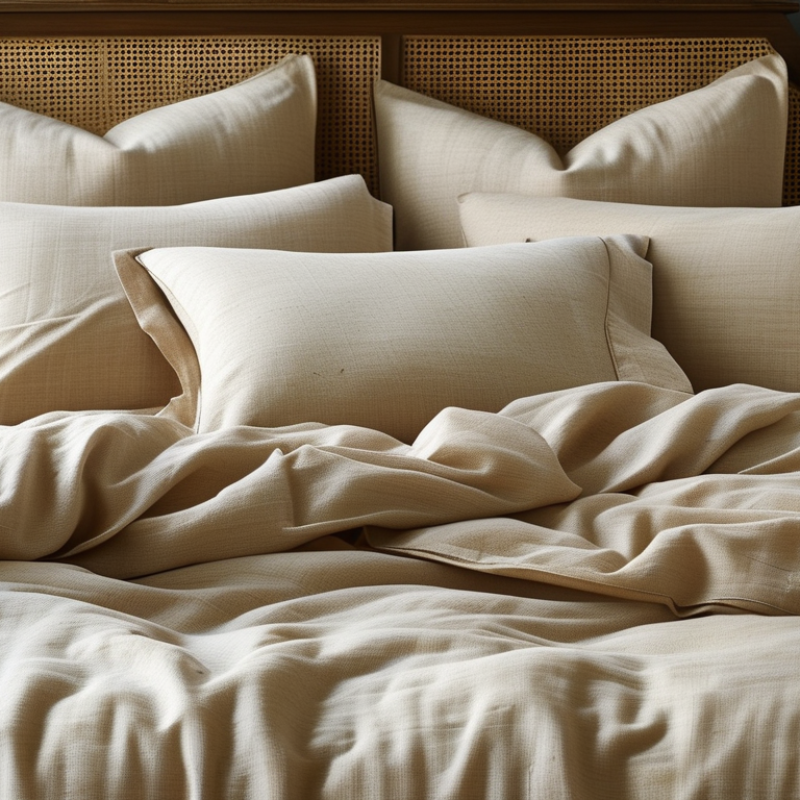
Why Choosing the Best Bedding Material for Hot Sleepers Matters?

Understanding Hot Sleepers and Their Needs for Bedding

Hot sleepers often struggle with nighttime discomfort. Their bodies generate excess heat, leading to restless sleep. Choosing the right bedding material is crucial for creating a comfortable sleep environment. Many hot sleepers prefer light, breathable fabrics that allow moisture to escape. Cotton, bamboo, and linen are popular choices. These materials promote airflow, helping to regulate body temperature.

Understanding a hot sleeper’s needs goes beyond material choice. It's also about texture and weight. Lightweight comforters or quilts can make a significant difference. Some individuals might find heavier blankets stifling. Those who sweat at night may require moisture-wicking properties in their bedding. This feature can enhance comfort by keeping them dry during sleep.

Many hot sleepers remain unaware of their specific needs. They may opt for familiar bedding, unaware of better options. Researching and considering different materials can lead to improved sleep quality. It's essential for hot sleepers to test different combinations. Finding the perfect bedding setup can take time and reflection.

Why Choosing the Best Bedding Material for Hot Sleepers Matters?

Bedding Material Breathability Moisture-Wicking Temperature Regulation Hypoallergenic
Cotton High Moderate Good Yes
Bamboo Very High High Excellent Yes
Linen High Moderate Good Yes
Microfiber Low Low Poor No
Tencel Very High High Excellent Yes

Key Bedding Materials Suitable for Hot Sleepers

Choosing the right bedding material is crucial for hot sleepers. People who tend to overheat at night need specific fabrics. Some options work better than others for regulating temperature.

Cotton is a popular choice. It’s breathable and allows air circulation. However, regular cotton may not wick away moisture effectively. For added comfort, consider percale cotton with a crisp feel. Linen also provides excellent breathability and absorbs moisture. This results in a cool and relaxed sleep environment, perfect for those hot summer nights.

Tencel, made from eucalyptus trees, is another good alternative. It’s soft, smooth, and naturally moisture-wicking. This material helps keep the body cool and dry. Bamboo fabric is similar; it offers breathability and is hypoallergenic. Both Tencel and bamboo provide unique sleeping experiences. However, they may not be as widely available, so it’s essential to research where to find them.

Why Choosing the Best Bedding Material for Hot Sleepers Matters?

Benefits of Breathable Fabrics for Temperature Regulation

Choosing the right bedding material is essential for hot sleepers. Breathable fabrics can enhance comfort and regulate temperature. Cotton, linen, and bamboo are excellent choices. These materials allow air circulation, preventing overheating. Staying cool at night promotes restful sleep, which is crucial for overall well-being.

Tips: When selecting bedding, consider thread count. A lower thread count in cotton can increase breathability. Look for lightweight fabrics that wick moisture away. Avoid synthetic materials that trap heat and moisture. They may feel comfortable initially but can lead to a restless night.

Investing in breathable bedding can significantly impact your sleep quality. It’s important to reflect on how different fabrics feel against your skin. Regularly washing your bedding helps maintain freshness and comfort. Experiment with various materials to find your perfect match. Ultimately, comfort at night can lead to better days.

Comparing Synthetic vs. Natural Fibers for Hot Sleepers

Choosing the right bedding material is crucial for hot sleepers. Hot sleepers often struggle to maintain a comfortable temperature at night. The fabric of your bedding can either trap heat or promote breathability. This impacts sleep quality significantly.

When comparing synthetic and natural fibers, each has its pros and cons. Synthetic materials, like polyester, often wick moisture away. They can be lightweight and easy to care for. However, they may not be as breathable as natural fibers, leading to discomfort. On the other hand, natural fibers, such as cotton or linen, are generally more breathable. They allow air circulation, keeping you cooler. Yet, these fabrics require more care and may not wick moisture as effectively.

Choosing the right material can feel overwhelming. Some find natural fibers too wrinkly or susceptible to stains. Others think synthetic options are too slippery or cheap. It's essential to weigh comfort against practicality. Every sleeper has unique preferences. Explore different options to determine what truly suits your needs for a restful night.

Tips for Choosing the Right Bedding for Better Sleep Comfort

Choosing the right bedding material is crucial for hot sleepers. Research shows that temperature regulation can significantly impact sleep quality. A study from the National Sleep Foundation found that over 50% of adults complain about overheating at night. Soft, breathable materials can make a difference.

Look for organic cotton or linen sheets. These fabrics are lightweight and promote airflow. They wick away moisture, helping to keep you cool. A survey revealed that 60% of people prefer cotton sheets for their comfort and breathability. Silk and bamboo also rank high. Bamboo's natural cooling properties can be beneficial for those who tend to overheat.

Consider thread count but avoid getting lost in the numbers. A higher thread count doesn’t always mean better quality. The ideal range for breathable sheets usually falls between 300 and 600. Pay attention to the weave as well. Percale weaves are often fresher and cooler compared to sateen, which can trap heat. Ultimately, the right bedding can lead to a more comfortable and restful night’s sleep.

FAQS

: What are breathable fabrics?

: Breathable fabrics allow air circulation, helping to regulate temperature during sleep.

Why do hot sleepers need breathable bedding?

Breathable bedding prevents overheating, promoting comfort and restful sleep essential for well-being.

Which fabrics are recommended for hot sleepers?

Cotton, linen, and bamboo are excellent options due to their breathability and comfort.

Does thread count affect breathability?

Yes, a lower thread count in cotton can increase breathability, enhancing comfort during sleep.

Are synthetic materials suitable for hot sleepers?

While synthetic materials wick moisture and are easy to care for, they may trap heat and cause discomfort.

How can I maintain the freshness of my bedding?

Regularly washing bedding helps maintain its freshness and overall comfort throughout the night.

Are natural fibers better than synthetic fibers for sleep?

Natural fibers are generally more breathable, but they may require more care compared to synthetic options.

What should I consider when choosing bedding material?

Reflect on how different fabrics feel against your skin and weigh comfort against practicality.

Can bedding materials impact my daytime comfort?

Yes, comfortable sleep can lead to better days; invest in the right bedding for overall well-being.

Is it normal to have preferences for specific fabrics?

Yes, every sleeper has unique preferences. Experiment with different options to find your perfect match.

Conclusion

Choosing the right bedding material is crucial for hot sleepers, as it directly impacts their comfort and sleep quality. Understanding the needs of these individuals reveals that breathable fabrics play a vital role in temperature regulation, enabling better airflow and moisture-wicking properties. When considering what bedding material is best for hot sleepers, two main categories come into play: synthetic and natural fibers. While synthetic options may offer durability, natural fibers like cotton and linen are often more breathable, making them preferable for those who tend to sleep hot.

To enhance sleep comfort, it is important to focus on bedding materials that allow heat to escape and promote a cooler sleeping environment. Key tips include opting for lightweight sheets, comforters, and pillows made from breathable materials, which create an optimal balance for hot sleepers. Ultimately, selecting the right bedding can make a significant difference in achieving restful sleep and overall well-being.

Ethan

Ethan

Ethan is a seasoned marketing professional with a deep expertise in our company's innovative product line. With a passion for sharing knowledge and insights, he takes the lead in regularly updating our corporate blog, where he explores industry trends, product features, and effective marketing......