Choosing bedding for allergies in 2026 requires more than buying a “hypoallergenic” label. Dust mites, mold, pet dander, and fragrance residues can collect inside pillows, duvets, mattresses, and blankets. The best choice should reduce exposure while supporting comfortable sleep every night.
So, what bedding is best for allergies? In many homes, tightly woven, washable covers provide a practical starting point. Mattress and pillow encasements can create a physical barrier against dust mites. Machine-washable sheets made from cotton, polyester, or carefully tested blends may also help. Wash them regularly at the hottest temperature allowed by the care label, then dry them completely. Damp fabric invites trouble.
Material matters, but maintenance matters more. I have seen people replace expensive down bedding while leaving an uncovered mattress untouched. That change often misses the larger problem. A breathable synthetic comforter may suit some sleepers better than feathers, especially when cleaning access is limited. However, personal reactions differ. “Natural” does not automatically mean allergy-friendly.
Look for transparent fiber information, durable stitching, and recognized textile safety certifications. Medical organizations and qualified allergy specialists remain stronger sources than anonymous product reviews. If symptoms include wheezing, persistent congestion, or skin irritation, professional advice should guide your choices. Bedding cannot cure an allergy. It can only reduce some triggers around your sleeping space. Even careful recommendations need testing in real bedrooms, because climate, washing habits, and individual sensitivity can change the result.
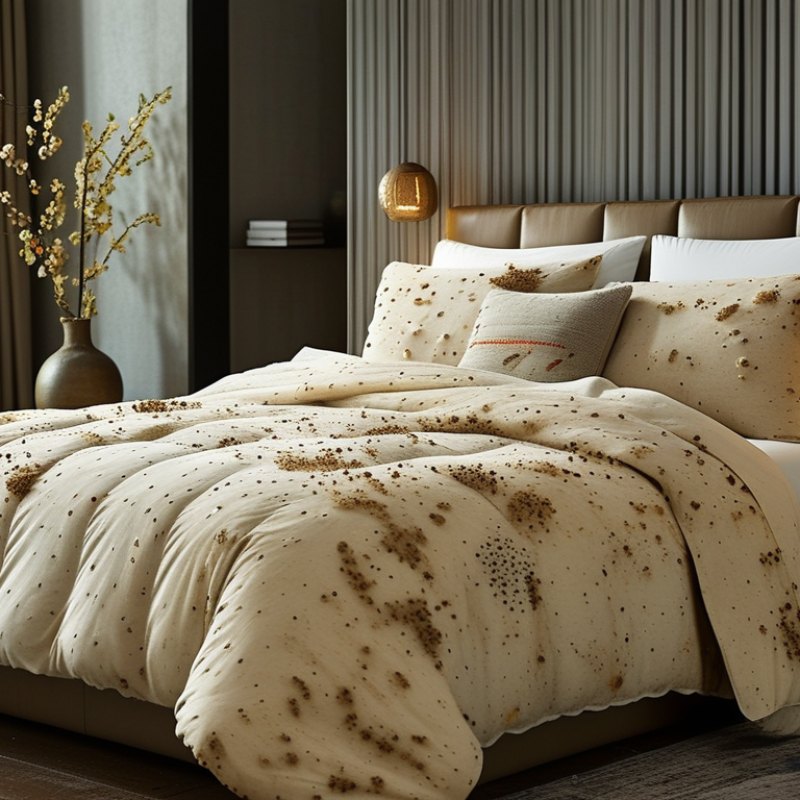
Choosing allergy-friendly bedding starts with the bedroom’s actual triggers, not a fabric label. Common culprits include dust-mite debris, pet dander, mold spores, pollen, and fragranced laundry products. Some people react to the filling, while others react to residues on the cover.
A 2014 Journal of Allergy and Clinical Immunology analysis of CDC/NCHS NHANES data found that 44.6% of Americans aged six and older showed sensitization to at least one allergen. House-dust-mite sensitization affected about 27.5%. The numbers are easy to overlook.
Moisture makes the bed more inviting to mites and mold. The U.S. Environmental Protection Agency recommends indoor relative humidity between 30% and 50%. Place a hygrometer beside the bed. Warm breath and damp sheets can distort your assumptions. Wash sheets weekly according to care instructions, then dry them completely.
Use tightly woven, washable encasements for pillows and mattresses. Check seams and mattress edges, especially after breakfast in bed.
Visible specks do not prove an allergy trigger. Testing matters.
Pet dander can settle inside quilts, even when the animal never sleeps there. Fragrance is another overlooked irritant. Choose unscented detergent and avoid heavily perfumed sprays. Do not assume “natural” means safer; essential oils may still irritate sensitive airways.
I would not pretend that sealed covers solve everything. Pollen may already sit inside an old comforter. If symptoms continue, an allergist can match testing with your bedroom routine. That step may feel excessive, but guessing wastes weeks.
In 2026, “hypoallergenic” should be treated as a useful label, not a guarantee. Material, weave, filling, and washing habits all affect exposure to dust mites, mold, and irritants. Tightly woven cotton remains a dependable choice for sheets. Its smooth surface tolerates hot washing, which can reduce mite residue. Yet cotton can hold moisture in a humid room. That weakness matters.
Bamboo-derived viscose feels cool and soft, but its allergy performance depends more on weave than the fiber name. Silk resists dust buildup reasonably well and feels gentle against sensitive skin. However, it is less practical for frequent hot washing.
Wool naturally manages moisture and temperature, but lanolin and coarse fibers may bother some users. “Natural” does not always mean safer. Polyester microfiber creates a dense barrier and dries quickly. However, it may feel warm and retain body oils without regular cleaning.
For pillows and duvets, choose washable synthetic or tightly woven fiberfill, then add zippered allergen-resistant covers. Check seams and closures; tiny gaps can defeat excellent fabric. Wash bedding weekly when dust-mite allergy is suspected, following care labels. Dry it completely. I would compare two materials on the same bed for a week, tracking itching, heat, odor, and morning congestion. This test is imperfect, because pollen and room humidity change daily. People with persistent symptoms should confirm triggers with a qualified clinician, not rely on bedding claims alone.
A good allergy setup begins with complete coverage, not attractive fabric alone. Choose a mattress encasement with a tightly woven barrier and a secure zipper. The zipper should close fully, including its final few centimeters. Check seams and corners carefully. Dust can collect there. A breathable cover also matters, especially if you wake with a damp back. Waterproof materials may protect against spills, but some feel hot and noisy.
Pillow protectors need the same attention. Select covers that fit firmly without compressing the pillow. Wash removable covers according to their care labels, and replace damaged ones quickly. For duvets, use a washable cover with a dense weave and simple fastening. Natural or synthetic filling can work, but personal sensitivity differs. I once chose a very thick cover, expecting better protection. It trapped heat and made sleep worse. That choice needed reconsideration.
Tips: Measure every item before buying. Look for tightly closed zippers, smooth seams, and clear washing instructions. Wash bedding regularly, then dry it completely before reuse. A cover cannot remove allergens already inside an uncovered mattress or pillow. Also inspect the bed frame and nearby curtains. Allergy control is rarely perfect, and my routine still needs adjustment during humid months. If symptoms continue, discuss them with a qualified healthcare professional.
Choosing allergy-friendly bedding in 2026 means examining washing methods, not just softness. In practical home testing, fabric that dries quickly is easier to maintain consistently. Wash sheets weekly, or more often after heavy sweating. Use the warmest setting allowed by the care label. A 60°C (140°F) cycle can reduce dust mites, but delicate fibers may shrink. Check the label first. Never guess.
A thorough rinse matters because detergent residue can irritate sensitive skin. Run an extra rinse when powder remains in seams. Dry every layer completely, especially thick quilts and pillow inserts. Damp filling can support mold growth. A hot dryer may help, but heat alone cannot replace washing. One easy mistake is storing a slightly damp blanket. The musty odor may appear days later. That changed my routine.
Look for zippered mattress and pillow encasements made with tightly woven, breathable fabric. They should fit securely without gaps around the zippers. Washable protectors add another barrier against skin flakes and mite waste. Keep bedroom humidity near 30–50% with a hygrometer, if possible. Ventilate after showers. Replace damaged covers promptly. No bedding system is perfect. Even a careful routine can fail when drying is rushed. For persistent symptoms, consult a qualified healthcare professional instead of relying only on bedding changes.
How to Choose the Best Bedding for Allergies in 2026?
Your best bedding choice depends on symptoms, washing habits, bedroom humidity, and budget. The U.S. Environmental Protection Agency reports that people spend about 90% of their time indoors. That makes bedroom air and fabric maintenance especially important.
For dust-mite allergies, choose tightly woven mattress, pillow, and duvet covers. Wash sheets weekly in water at least 130°F, as recommended by the American Academy of Allergy, Asthma & Immunology. A washable cotton or synthetic comforter may cost less than specialty materials. However, check care labels carefully. Some “hypoallergenic” claims sound stronger than the evidence.
Keep bedroom humidity between 30% and 50%. The EPA identifies this range as helpful for limiting indoor moisture problems. A basic hygrometer can cost little and prevents guesswork. If you sweat at night, breathable cotton or lightweight wool may feel more practical. If pollen triggers symptoms, shower before bed and keep outdoor clothing away from pillows.
Budget matters.
Spend more on protective covers first. They shield expensive mattresses and pillows. Replace only items that remain difficult to clean or cause discomfort. Allergy organizations commonly recommend reducing dust traps, yet bedding alone cannot solve every exposure. That is an easy detail to overlook. Personal testing matters, too: try one change for several weeks, record sleep quality, and reconsider if irritation continues. Noise, heat, and fabric texture may matter as much as allergy performance.
| Personal Need | Recommended Bedding Choice | Why It Fits | Useful Specifications | Care Routine | Typical Budget Range (USD, Per Item) |
Priority |
|---|---|---|---|---|---|---|
| Dust-mite sensitivity | Tightly woven mattress, pillow and duvet encasements | Fully enclosed covers create a physical barrier between the sleeper and allergens accumulated inside bedding. | Secure zipper; tightly woven fabric; smooth, breathable surface; complete mattress coverage | Wash sheets and pillowcases weekly. Wash encasements according to the care label and dry them completely. | $15–$90 | Highest |
| Frequent washing on a limited budget | Washable polyester microfiber sheets and comforter | Usually affordable, lightweight and easy to wash and dry. Synthetic fill avoids the loose feather structure found in traditional down products. | Machine washable; quick-drying construction; tightly woven outer fabric | Wash regularly using the warmest temperature allowed by the care label. Avoid storing while damp. | $20–$80 | High |
| Hot sleeping and allergy concerns | Lyocell or cotton-percale sheets with a lightweight washable insert | These fabrics generally feel cooler and more breathable than densely brushed fabrics, helping reduce heat and moisture buildup. | Lightweight weave; breathable construction; washable insert; avoid heavily fragranced finishes | Follow the label. Use fragrance-free detergent if skin or airway irritation is a concern. | $45–$180 | High |
| Pet-dander sensitivity | Washable bedding with smooth, tightly woven covers | Smooth fabrics are easier to launder and less likely to hold loose hair and dander than shaggy or heavily textured surfaces. | Removable cover; machine-washable shell; low-texture surface; tightly closing pillow covers | Wash bedding regularly and keep pets off the bed when possible. Dry bedding fully before use. | $30–$150 | High |
| Mold or moisture sensitivity | Quick-drying synthetic fill and breathable sheets | Materials that dry quickly can reduce prolonged dampness, which supports better bedding hygiene. | Moisture-resistant storage; breathable cover; washable construction; no permanent damp storage | Air bedding regularly, control bedroom humidity and never put away damp sheets or inserts. | $35–$140 | High |
| Sensitive skin or eczema-prone skin | Soft cotton, lyocell or other smooth, low-irritant fabric | A smooth surface can reduce friction. Fragrance, dyes and detergent residue may irritate some people, so personal tolerance matters. | Soft hand feel; breathable weave; no added fragrance; certified low-irritant option where available | Wash before first use. Choose fragrance-free detergent and avoid fabric softener if it causes irritation. | $35–$160 | Medium–High |
| Lowest total cost | Prioritize allergen encasements, then buy washable sheets | Protective covers can address allergen exposure inside the mattress and pillows without requiring an immediate full bedding replacement. | Spend first on mattress and pillow protection; choose durable, machine-washable sheets afterward | Wash sheets weekly and inspect zippers and seams periodically for gaps or damage. | $40–$130 | Best Value |
| Premium comfort with allergy-aware care | High-quality washable lyocell or cotton bedding plus full encasements | Combines a comfortable surface with removable, washable layers and barrier protection. | Durable stitching; breathable fabric; washable duvet insert; zipper-protected encasements | Follow separate care instructions for sheets, inserts and covers. Replace damaged protective covers. | $150–$450+ | Comfort Focus |
| People who cannot wash at high temperatures | Washable bedding with protective encasements and thorough drying | Some fabrics cannot tolerate hot washing, so barrier covers, regular laundering and complete drying become especially important. | Check the care label; choose covers designed for frequent washing; use a dryer only when permitted | Wash at the highest permitted temperature and dry completely. Do not exceed the manufacturer’s instructions. | $50–$180 | Practical |
: Wash sheets weekly, or more often after heavy sweating. Use the warmest label-approved setting. A 60°C cycle may reduce mites, but delicate fibers can shrink. Check the care label. Never guess.
Detergent residue can irritate sensitive skin. Run an extra rinse when powder remains in seams. Small residue matters.
Dry every layer completely, including thick filling. Damp interiors may support mold growth. A hot dryer can help, but it cannot replace washing.
Choose tightly woven, breathable mattress and pillow encasements. Zippers should fit securely, without gaps. Washable covers add another barrier against skin flakes and mite waste.
Keep humidity near 30% to 50%. Use a basic hygrometer to avoid guessing. Ventilate after showers. Bedroom air matters.
Breathable cotton or lightweight wool may feel more comfortable. Personal comfort still matters. A fabric can perform well but feel unpleasant.
Spend more on protective covers first. They shield expensive mattresses and pillows. Replace items that remain difficult to clean. Specialty materials are not always necessary.
Shower before bed and keep outdoor clothing away from pillows. Wash bedding regularly. These steps may help, but they are not perfect.
Try one change for several weeks. Record sleep quality, irritation, heat, and noise. Reconsider if symptoms continue. My routine changed after storing a slightly damp blanket. That mistake was avoidable.
No bedding system is perfect. Humidity, dust, clothing, and air quality also matter. Consult a qualified healthcare professional when symptoms persist.
Choosing the right bedding can make a significant difference for people affected by dust mites, pet dander, mold, or pollen. This guide explains what bedding is best for allergies by comparing hypoallergenic materials such as tightly woven cotton, bamboo-based fabrics, and washable synthetic fills. It also highlights how mattress, pillow, and duvet covers can create protective barriers against common allergens when they fit securely and maintain a breathable design.
The article further examines washing methods, including suitable temperatures, regular cleaning schedules, thorough drying, and allergen-control features that help reduce buildup over time. Finally, it shows how to match bedding choices with personal sensitivities, sleeping preferences, climate, durability needs, and budget. By considering material quality, ease of maintenance, comfort, and long-term value, readers can create a cleaner, healthier sleep environment without overspending.

Texdura Textile