Choosing the right bedding plays a crucial role in achieving better sleep quality. According to a survey by the National Sleep Foundation, over 60% of adults report sleep issues related to their bedding. With many options available, understanding how to choose the right bedding for better sleep is essential for restful nights.
Expert Dr. Michael Breus, a clinical psychologist and sleep specialist, emphasizes the importance of comfort. He once stated, "A good mattress and quality bedding are key to falling and staying asleep." These words resonate as we explore various materials, types, and their impact on sleep quality.
Research shows that bedding affects not just comfort but also temperature regulation and allergies. The right choice can mean the difference between tossing and turning and a deep, restorative sleep. However, selecting bedding may not come easy. Consumers often face choices that can lead to confusion. Investing time to understand your personal needs and preferences is vital for effective decision-making in this area.
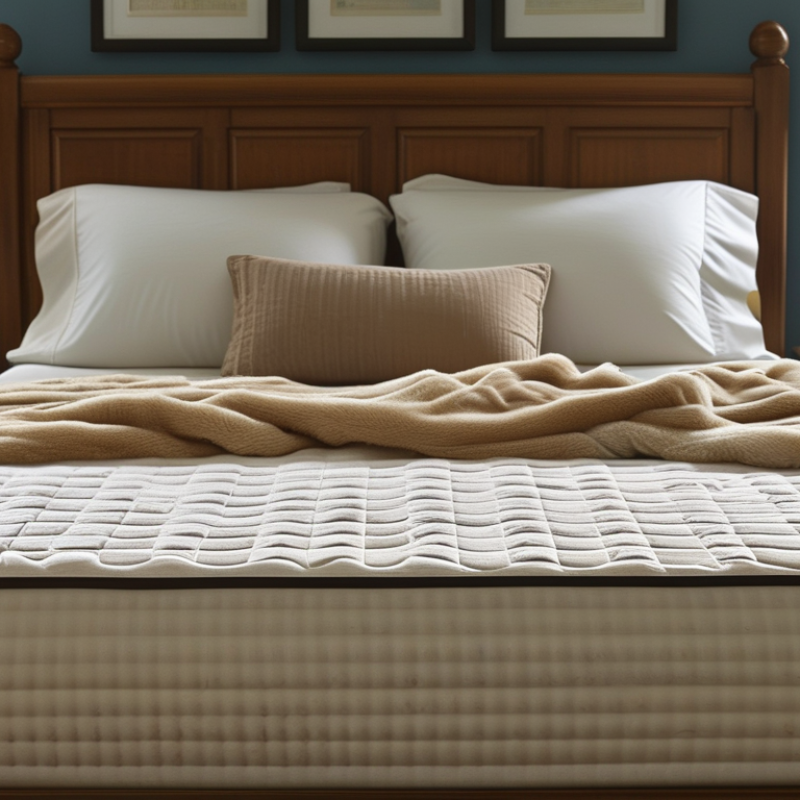
Choosing the right bedding is crucial for enhancing sleep quality. Various materials offer unique benefits, catering to personal preferences and sleep needs. Cotton, widely acclaimed for its breathability, helps regulate body temperature, making it ideal for warm sleepers. A study shows that over 70% of people prefer cotton sheets for their softness and comfort.
Bamboo bedding is gaining attention for its eco-friendliness and moisture-wicking properties. It is hypoallergenic, which helps those with allergies sleep better. Research indicates that bamboo fabric can absorb up to 40% more moisture than cotton. This feature can dramatically improve sleep comfort, especially during humid nights.
When selecting bedding, consider a few tips. Test various textures to find what feels best against your skin. Opt for materials that promote airflow to prevent overheating. Don't overlook the benefits of thread count; a higher count often indicates better quality and durability. Finally, sometimes you might need to experiment with different combinations to find what's right for you.
| Bedding Material | Benefits | Best For |
|---|---|---|
| Cotton | Breathable, soft, and hypoallergenic. | Allergies and general comfort. |
| Silk | Luxurious texture, regulates temperature. | Sensitive skin and luxury seekers. |
| Bamboo | Eco-friendly, moisture-wicking, and antimicrobial. | Eco-conscious consumers. |
| Linen | Durable, breathable, and becomes softer over time. | Warm climates and casual settings. |
| Microfiber | Soft, affordable, and easy to clean. | Budget-friendly shoppers. |
: Firmness is crucial for comfort and support. Medium-firm mattresses are often preferred for balance.
A cooler sleep environment, around 60-67°F, can improve sleep quality significantly.
Materials like cotton and bamboo help with breathability and maintain body temperature effectively.
Hypoallergenic bedding can help reduce allergy symptoms, allowing for better sleep quality.
No, thread count can be misleading. Focus on the type of fiber and weave used instead.
Sateen offers a soft feel but may not last as long. Percale provides a crisp finish and durability.
Yes, preferences for heavier or lighter blankets vary. Experimenting can help find what works best for you.
Durable bedding withstands washing without wear. Cheap bedding may lead to discomfort and poor sleep quality.
Yes, trying different firmness levels and materials can reveal surprising insights about your sleep needs.
Track your sleep patterns and how you feel each morning to gain valuable insights into your sleep choices.
Choosing the right bedding is essential for achieving better sleep, and understanding the various types of materials available is the first step in this process. Different bedding materials come with unique benefits that cater to individual preferences and sleep needs. It's important to assess factors such as firmness, temperature regulation, and potential allergies to ensure optimal comfort throughout the night. Additionally, evaluating thread count and overall quality contributes to the durability and feel of the bedding.
Once you determine your material preferences, it's crucial to pair the right pillow and blanket combinations for proper support, as these can significantly impact your sleep quality. Lastly, maintaining and caring for your bedding not only enhances its longevity but also promotes hygiene, ensuring a healthy sleep environment. By considering these factors, you can effectively learn how to choose the right bedding for better sleep.

 Texdura Textile