Is Cotton or Bamboo Bedding Better for Global Buyers?

Time:2026-10-15 Author:Liam
0%

When global buyers compare natural-fiber bedding, the question "is cotton or bamboo bedding better" sounds simple. It is not. A hotel purchasing manager in Dubai may prioritize cooling and moisture control. A family in northern Europe may value warmth, washing strength, and traceable production. Fiber content matters, but so do yarn construction, finishing, fill weight, and factory quality. A soft sample can still hide weak seams or excessive shrinkage. These details affect returns, comfort, and long-term cost.

Cotton remains familiar, widely available, and easier to compare across suppliers. Organic cotton can support a clearer agricultural story, although certification must be checked. Bamboo bedding is often made from bamboo-derived viscose or rayon, not raw bamboo fiber. It can feel smooth and cool against the skin. Yet its environmental profile depends heavily on chemical processing, energy use, wastewater control, and verified claims. Buyers should request current test reports, fiber composition records, colorfastness results, and relevant certifications. Ask who issued them. Dates matter.

This guide examines performance, sourcing, care, price, and sustainability across major markets. It also considers humid bedrooms, repeated commercial laundering, and sensitive skin. There is no universal winner. Sometimes the cheaper option loses value after shrinkage. Sometimes “eco” language is too vague. That deserves scrutiny. A responsible decision compares measurable evidence with the buyer’s actual climate, customer expectations, and budget. Small differences in weave may matter more than the headline fiber. Read the label carefully, and question what it leaves out.
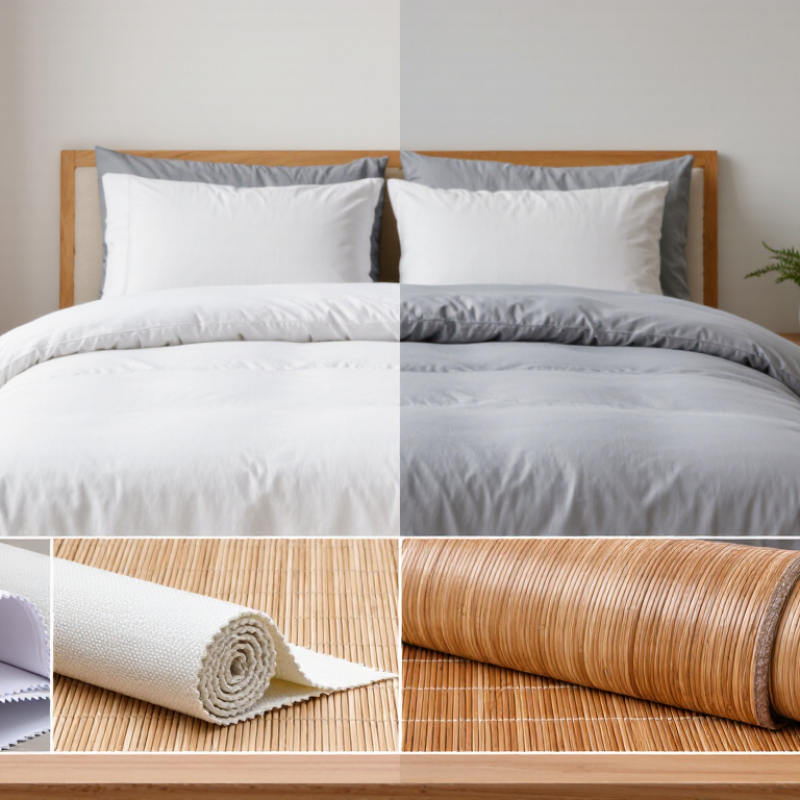
Is Cotton or Bamboo Bedding Better for Global Buyers?

Cotton and Bamboo Bedding: Definitions and Key Differences

Is Cotton or Bamboo Bedding Better for Global Buyers?

Cotton bedding is made from natural fibers harvested from cotton plants. Its familiar weave offers strength, breathability, and broad washing tolerance. Bamboo bedding usually uses regenerated cellulose made from bamboo pulp. It is not typically woven from raw bamboo strips. This distinction matters because processing can change its softness, durability, and environmental profile.

Cotton often feels crisp and becomes softer with repeated washing. Bamboo bedding usually feels smoother and drapes closely over the body. It may suit warm sleepers because many fabrics manage moisture effectively. However, performance depends on yarn quality, weave density, finishing, and construction. Neither material wins every test. Poorly made bamboo fabric can pill, while lightweight cotton may wear quickly. Global buyers should also examine fiber percentages, shrinkage results, colorfastness, and verified production claims. Vague “eco-friendly” language deserves careful questioning.

Tips: Match the fabric to the market climate and washing habits. Ask suppliers for test reports, care instructions, and independent certification. Compare fabric weight, not only thread count. A dense, well-finished cotton may outperform a thin bamboo sheet in busy accommodation. A breathable bamboo blend may feel better in humid bedrooms. Check the full supply chain, too. Environmental benefits can weaken when chemical processing, transport, or short product life is ignored. The honest choice is often less exciting, but more reliable.

Cotton vs. Bamboo Bedding: Key Fiber Differences

Representative textile-fiber values for cotton and bamboo viscose/rayon

Bamboo bedding is generally made from regenerated bamboo viscose or rayon rather than raw bamboo fiber. Compared with cotton, bamboo viscose typically has higher moisture regain and elongation, while cotton generally retains more of its dry strength when wet.

Values are representative midpoints of commonly reported textile-fiber ranges. Actual results vary by fiber grade, yarn construction, finishing, and fabric blend. Moisture regain is based on standard textile-conditioning conditions; wet-strength retention is expressed as wet strength divided by dry strength.

How Cotton and Bamboo Bedding Are Made

Cotton and bamboo bedding begin with very different raw materials. Cotton grows as a soft fiber around a seed. After harvesting, ginning separates the lint, and spinning turns it into yarn. Weaving or knitting forms the fabric. Washing, dyeing, and finishing then shape its hand feel. Textile Exchange’s Materials Market Report 2024 estimated cotton represented about 19% of global fiber production in 2023.

Bamboo bedding usually follows a more complex route. Bamboo stalks are crushed into cellulose pulp, dissolved, and forced through tiny spinnerets. The regenerated cellulose becomes viscose or rayon fiber. The U.S. Federal Trade Commission warns that these products should not be marketed simply as “bamboo,” because the original plant structure is chemically transformed. The process can use substantial chemicals and water. Responsible mills need controlled chemical recovery, wastewater treatment, and traceable pulp sources.

The touch can mislead buyers. Bamboo-derived fabric often feels cool and smooth, while cotton may feel crisp, warm, or textured. Performance depends heavily on yarn size, weave density, finishing, and moisture management. Textile Exchange reported man-made cellulosic fibers at roughly 6% of global fiber production in 2023, placing bamboo-derived viscose within a growing but smaller category. Certification helps, but it is not magic. I would check fiber wording, origin, wastewater controls, and test reports before comparing softness claims. The supply chain is rarely perfect.

Comparing Comfort, Breathability, and Moisture Control

For global buyers, cotton and bamboo bedding differ most in moisture control, not softness alone. Cotton naturally absorbs perspiration and feels familiar against the skin. Its standard moisture regain is about 8.5%, while regenerated cellulose, including most bamboo viscose, is commonly reported near 13%. Bamboo may therefore feel cooler initially. Yet higher absorption can also mean slower drying in humid bedrooms.

Breathability depends on construction. A loose cotton percale can move air well, while dense sateen may trap heat. Bamboo viscose usually has a smooth, draping surface, but tightly woven fabric can still feel warm. Textile Exchange’s 2024 Materials Market Report estimated global fiber production at about 132 million tonnes in 2023; cotton represented roughly one-fifth, showing its continuing importance despite rising interest in alternative fibers. Buyers should also check whether “bamboo” means mechanically processed bamboo or regenerated cellulose. The distinction matters. Marketing language is often too simple.

Tips: Request GSM, weave, fiber composition, and shrinkage data. Ask suppliers for AATCC TM195 moisture-management results, not vague “cooling” claims. For sweaty sleepers, test a pillowcase overnight. For damp climates, compare drying time after washing. I would not assume bamboo always wins; room ventilation, weave density, and finishing can change the experience more than the fiber name. Some buyers overlook this. That is a costly mistake.

Is Cotton or Bamboo Bedding Better for Global Buyers?

Comparison Dimension Cotton Bedding Bamboo-Based Bedding
Typical Fiber Form Natural cotton fiber spun into yarn Usually regenerated cellulose, such as bamboo viscose or bamboo lyocell; not mechanically processed raw bamboo fiber
Hand Feel Ranges from crisp and structured to soft, depending on weave, yarn, and finishing Generally smooth, soft, and fluid, especially in sateen or jersey constructions
Breathability Very good in lightweight percale and plain-weave fabrics Good to very good; fabric weight and construction strongly influence airflow
Moisture Absorption Cotton has a typical moisture regain of about 8.5% under standard textile-testing conditions Regenerated cellulose fibers commonly have higher moisture regain than cotton, often around 11–13%, depending on fiber type and test conditions
Moisture Management Absorbs perspiration effectively but may feel damp longer when the fabric is heavy or the room is humid Often absorbs and spreads moisture efficiently, but drying performance depends on fabric thickness, finishing, and airflow
Hot-Climate Suitability Excellent when made from lightweight, breathable constructions such as percale Excellent when lightweight; the smooth surface can feel comfortable in warm conditions
Cold-Climate Suitability Versatile; heavier cotton flannel or sateen can provide a warmer feel Comfortable when layered, but lightweight bamboo-based fabrics may provide less insulation than heavier cotton options
Durability in Regular Use Generally strong, particularly in well-constructed woven fabrics; durability varies with staple length, yarn, and weave Can be durable, but some regenerated cellulose fabrics are more sensitive to abrasion and wet handling than cotton
Shrinkage and Shape Stability May shrink if untreated; pre-shrunk and properly laundered cotton offers good dimensional stability Can experience shrinkage or surface change; gentle washing and low-temperature drying are usually preferable
Wrinkle Tendency Moderate to high in untreated cotton, especially in lightweight plain weaves Often drapes smoothly, but wrinkle resistance depends on the blend and finishing process
Care Requirements Usually machine washable; warm or hot washing may increase shrinkage and color wear Cold or warm gentle washing and lower drying temperatures help reduce damage and shrinkage
Environmental Considerations Environmental impact depends on irrigation, pesticides, farming practices, processing, and product lifespan Bamboo grows rapidly, but bamboo viscose requires chemical processing; bamboo lyocell generally uses a different solvent-recovery process
Best Buyer Priorities Broad availability, proven durability, easy care, and a wide range of fabric weights and weaves Very soft hand feel, smooth drape, strong moisture absorption, and a cool-touch perception
Overall Choice for Global Buyers A dependable all-round option for durability, availability, and climate versatility A strong option for buyers prioritizing softness and moisture absorption, provided care instructions and fiber processing are clearly disclosed

Note: Performance varies with fiber quality, yarn count, weave or knit structure, fabric weight, finishing, laundering, and climate. “Bamboo bedding” normally refers to regenerated bamboo cellulose fabric rather than untreated bamboo fiber.

Evaluating Durability, Care, Cost, and Environmental Impact

For global buyers, bedding performance starts with the fiber, but construction matters just as much. Cotton sheets often tolerate repeated washing, hot water, and busy hotel-style use. Long-staple cotton can feel smoother and resist pilling. However, cheaper cotton may thin quickly at seams. Bamboo bedding usually feels cool, soft, and silky against the skin. Its regenerated cellulose fibers can be less resilient when washed harshly.

Care requirements affect real ownership costs. Cotton commonly handles machine washing well, although shrinkage remains a concern. Cold washing and moderate drying protect both fabrics. Bamboo needs gentler cycles and lower heat. I would inspect care labels before comparing prices. A low purchase price becomes less attractive when special washing, replacement, or returns are frequent. Small details matter. Check seam density, fabric weight, and colorfastness after washing.

Environmental claims require careful reading. Cotton production may use substantial water, land, and agricultural chemicals, depending on location and farming methods. Organic cotton can reduce some inputs, but it is not automatically low-impact. Bamboo grows quickly, yet most bamboo bedding uses regenerated cellulose processing. That process can involve chemicals and energy. Evidence about wastewater control matters more than the word “bamboo.” My preference changes by market. Cotton may suit rough commercial laundering, while bamboo may suit comfort-focused homes. Neither choice is perfect. Local climate, washing habits, certification evidence, and supplier transparency should guide the final decision.

Choosing the Right Bedding for Different Global Markets

Is cotton or bamboo bedding better?

The answer changes with climate, care habits, and buyer expectations. Textile Exchange’s Materials Market Report 2024 reports that cotton represented about 19% of global fiber production in 2023. This scale supports stable sourcing, familiar quality standards, and broad price options.

Cotton percale feels crisp in warm rooms, while cotton sateen offers a smoother hand feel.

Bamboo bedding requires closer inspection. Most “bamboo” sheets are regenerated cellulose, such as bamboo viscose, rather than natural bamboo fiber. The report also shows that man-made cellulosic fibers remain a smaller global category, making traceability more important.

In humid Southeast Asian markets, lightweight cotton can dry faster after washing. In cooler European homes, bamboo viscose may attract buyers seeking a soft, fluid texture. North American buyers often prioritize easy care, deep fitted corners, and shrinkage control. Gulf markets may value breathable weaves and strong colorfastness. These are useful patterns, not rules. Individual shoppers still surprise us.

Tips:

Match fabric weight to local temperatures. Check fiber composition carefully. Request shrinkage, pilling, and colorfastness test data before purchasing. The International Organization for Standardization’s ISO 6330 washing procedures can support comparable testing.

Do not rely on the word “natural” alone. Sustainability claims need evidence, including responsible forestry or agricultural sourcing and transparent chemical processing.

My own view is imperfect: cotton remains the safer volume choice, but bamboo viscose can win when softness and cooling comfort dominate the market.

FAQS

How is cotton bedding made?

Cotton grows around seeds as soft fiber. Ginning removes the lint. Spinning turns it into yarn. Weaving or knitting forms the fabric.

How is bamboo bedding made?

Bamboo stalks are crushed into cellulose pulp. The pulp is dissolved and pushed through tiny spinnerets. The resulting fiber is usually regenerated cellulose.

Does bamboo bedding contain natural bamboo fiber?

Usually, it does not. Most bamboo bedding uses bamboo-derived viscose or rayon. The original plant structure changes during processing.

Which bedding feels cooler and smoother?

Bamboo-derived fabric often feels cool, smooth, and silky. Lightweight cotton can also feel fresh in humid rooms. Touch alone can mislead.

Which material lasts longer after repeated washing?

Cotton often tolerates frequent washing and busy household use. Long-staple cotton may resist pilling better. Harsh washing can weaken bamboo-derived fibers.

How should cotton and bamboo bedding be washed?

Wash both fabrics with moderate care. Use cold water and lower drying temperatures. Bamboo bedding usually needs gentler cycles and less heat.

Which bedding works better in different climates?

Lightweight cotton may dry faster in humid regions. Bamboo-derived fabric may suit cooler rooms and soft-texture preferences. These patterns are not rules.

What should buyers check before purchasing bedding?

Check fiber wording, fabric weight, seam density, and care instructions. Request shrinkage, pilling, and colorfastness test results. Details matter.

Which option has the lower environmental impact?

Neither option is automatically better. Cotton can require significant water, land, and agricultural inputs. Bamboo processing may use chemicals, energy, and water.

Is a higher price evidence of better bedding?

Not necessarily. A cheaper sheet may shrink, pill, or fail at the seams. I would compare durability, care costs, and test evidence. My judgment may still be imperfect.

Conclusion

Choosing between cotton and bamboo bedding depends on the priorities of global buyers. Cotton is a familiar natural fiber valued for its softness, versatility, and broad availability, while bamboo bedding is typically made by processing bamboo pulp into regenerated fibers with a smooth, silky feel. Their manufacturing methods affect texture, performance, and environmental considerations. Cotton can offer excellent breathability and a crisp feel, while bamboo-based fabrics are often appreciated for softness, moisture management, and a comfortable performance in warm or humid conditions.

When asking “is cotton or bamboo bedding better,” buyers should evaluate more than initial comfort. Durability, washing requirements, drying conditions, product cost, and the environmental impact of cultivation and processing all matter. Cotton may suit markets seeking traditional bedding, easy sourcing, and familiar care instructions, whereas bamboo can appeal to consumers who prioritize softness and moisture control. Climate, local consumer preferences, household budgets, and sustainability expectations should guide the final decision, since neither material is universally best for every market.

Liam

Liam

Liam is a dedicated marketing professional with a profound expertise in the industry, where he excels at highlighting the unique advantages of our core products. With a keen understanding of market trends and consumer needs, Liam frequently updates our company’s professional blog, providing......