When decorating a bedroom, choosing the right bedding is essential. Many people wonder, "what is the difference between a duvet and a comforter?" Understanding this distinction can help you make informed decisions for your space. Both items serve a similar purpose, providing warmth and comfort while sleeping.
A duvet is a soft flat bag filled with down or synthetic fibers. It usually requires a cover, known as a duvet cover. This allows for easy cleaning and a variety of styles. On the other hand, a comforter is a thicker, quilted blanket, often used without an extra cover. Comforters frequently feature a decorative outer layer.
While both can enhance your bedroom's aesthetic, they each bring unique benefits. Duvets offer versatility, while comforters provide convenience. However, personal preferences may vary. You might find a duvet too cumbersome or a comforter too warm. Reflecting on your needs can guide you toward the right choice for your comfort and style.
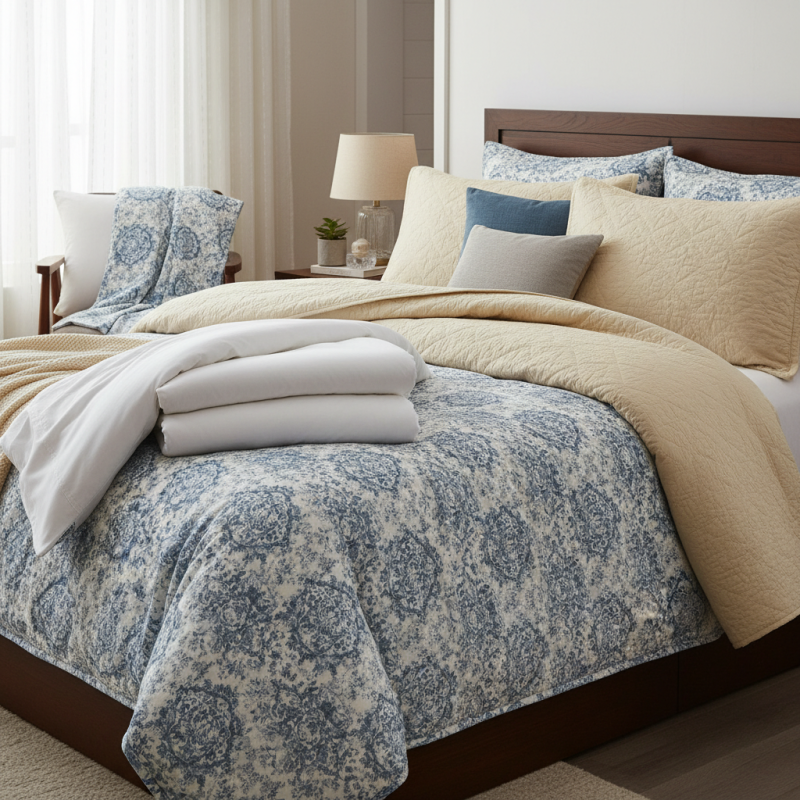
Understanding Bedding Basics: Duvets and Comforters Explained
When it comes to bedding, understanding the difference between a duvet and a comforter is essential. Many people use these terms interchangeably, but they have distinct characteristics. A duvet is essentially a soft, flat bag filled with materials like down or synthetic fibers. It is usually designed to be used with a duvet cover, which acts as a protective layer and allows for easy cleaning. The cover can show off personal style, making it versatile.
On the other hand, a comforter is a single, stitched blanket filled with insulation material. It typically comes with an outer fabric and does not require a cover. Comforters are often thicker and fluffier, providing a cozy feel. They are considered a bit easier to maintain since they can usually be washed as a whole. However, taking care of them can be tricky, especially if they shrink.
Choosing between a duvet and a comforter depends on individual preferences. If you prefer customization and ease of cleaning, a duvet is ideal. If you seek convenience and warmth, a comforter might be the one for you. It’s important to reflect on personal needs when making this choice.
Key Features of Duvets: Materials, Construction, and Benefits
Duvets and comforters serve similar purposes but differ significantly in construction and benefits. Duvets typically consist of a filling, which can be down, feathers, or synthetic materials. This filling is enclosed in a fabric shell. The key advantage of a duvet is its versatility. According to the National Sleep Foundation, users can easily change duvet covers, allowing for style updates and easy cleaning.
Comforters, in contrast, are often quilted and filled with synthetic fibers. They are designed to be used without a cover, which limits customization. A study from the American Sleep Association found that individuals who use duvets tend to report better sleep quality. This can be attributed to the ability to choose different fillings based on personal comfort preferences.
Tips: Opt for a duvet with a high fill power for optimal warmth without extra weight. Consider organic materials if you have sensitivities. Regularly wash covers to maintain hygiene, or you might deal with allergens. Reflect on your environment and storage space as these can influence your choice. A well-chosen duvet can enhance both sleep quality and bedroom aesthetics.
Comforters Uncovered: Types, Insulation, and Usage
When choosing between a duvet and a comforter, understanding their differences in types, insulation, and usage is essential. Comforters come in various fabrics and fillings. Common materials include cotton, polyester, and down. They offer different insulation levels, which affects warmth. A lightweight comforter is ideal for summer, while a thicker one suits winter months.
Duvets, on the other hand, typically come with a removable cover. This allows for easy cleaning and customization. They are usually fluffier and provide better insulation than comforters. Duvets can be paired with a flat sheet or used alone, making them versatile for various seasons.
**Tips:** When selecting bedding, consider the climate of your area. A heavier comforter might feel cozy in colder regions, but it could be stifling in warmer ones. Always check the care instructions. Some materials may shrink or lose shape after washing. Experiment with layers; combining a lightweight duvet with a thin blanket could offer customizable comfort for different nights.
What is the Difference Between a Duvet and a Comforter?
Duvets generally provide higher insulation levels compared to comforters, making them more suitable for colder climates. The insulation level is rated on a scale from 1 to 10, where duvets score an 8, and comforters score a 6. This chart illustrates the difference in insulation between the two bedding types.
Comparative Analysis: Duvets versus Comforters in Warmth and Weight
When comparing duvets and comforters, warmth and weight are key factors. Duvets tend to be lighter than comforters. They often use down or synthetic fill, which produces excellent insulation with less bulk. This makes them easy to manage and adapt to different seasons. A duvet cover adds versatility, enabling you to change style without replacing the entire duvet.
Comforters, on the other hand, are generally thicker and heavier. They offer a more traditional bedding option, suitable for cold climates. Their weight can provide a cozy feeling, wrapping you in warmth. However, comforters are usually not as flexible in terms of warmth adjustment. It might be difficult to regulate temperature during varying seasons.
Weight and warmth have personal implications. Some prefer the feather-light experience of a duvet; others enjoy the substantial feel of a comforter. It’s crucial to identify your needs for sleep comfort. Reflecting on your preferences can improve your sleep quality. Additionally, considering your bedroom’s climate can guide your choice between a duvet and a comforter. What might fit one person's needs could feel constraining or excessive to another.
Maintenance and Care: Cleaning Duvets and Comforters Properly
Caring for your duvet or comforter requires specific attention to detail. Duvets often have removable covers. This makes washing them a straightforward task. Typically, you can clean the cover in a washing machine with cold water. It’s wise to check care labels to avoid damage. A mild detergent is often best.
Comforters, on the other hand, are generally bulkier and may need dry cleaning. Some can be machine washed, but the heat can be an issue. Consider air drying instead of using a dryer. This helps to maintain their shape and fluffiness. Consider rotating your bedding regularly. This minimizes wear and tear.
Proper maintenance can seem daunting. Remember that regular care prolongs the life of both items. However, small stains may require spot cleaning first. Waiting too long to address spills can lead to tougher stains. Pay attention to how often you need to clean based on your lifestyle. Pets or allergies may necessitate more frequent washing. Balancing cleanliness and care will keep your bedding fresh and inviting.
What is the Difference Between a Duvet and a Comforter? - Maintenance and Care: Cleaning Duvets and Comforters Properly
| Feature |
Duvet |
Comforter |
| Fill Type |
Down or synthetic filling |
Polyester or cotton fill |
| Cover |
Typically requires a duvet cover |
Usually has a stitched outer layer |
| Maintenance |
Machine washable (with cover) |
Dry clean recommended |
| Warmth |
Typically warmer due to insulation |
Varies widely in warmth |
| Style |
Can be stylized with different covers |
Available in many colors and patterns |
Conclusion
Bedding essentials often include duvets and comforters, but many people wonder, "what is the difference between a duvet and a comforter?" A duvet is typically a soft, flat bag filled with materials such as down or synthetic fibers and is designed to be inserted into a removable cover, providing versatility in terms of style and ease of cleaning. In contrast, a comforter is usually a thicker, quilted blanket that serves as both the filling and covering, often requiring less maintenance.
When comparing the two, duvets generally offer better insulation and warmth control, while comforters are often heavier and can provide more immediate coziness. Proper care for both bedding types is essential; duvets may require more careful handling due to their individual covers, whereas comforters can often be washed as a whole. Understanding these aspects helps in making an informed decision based on personal needs and preferences in bedding.

 Texdura Textile