When considering bedding options, many wonder, "what is the difference between microfiber and cotton sheets?" This question arises from a desire for comfort, durability, and overall quality. According to a report by the Sleep Foundation, 70% of consumers prioritize material choice for a better sleep experience. Cotton sheets are renowned for their breathability and natural feel, while microfiber is appreciated for its soft texture and affordability.
Expert textile analyst Dr. Susan Hartley emphasizes, "Microfiber offers a unique combination of softness and stain resistance, making it popular." Yet, the trade-offs are significant. Microfiber may trap heat, leading to discomfort for some users. In contrast, cotton excels in moisture-wicking, making it ideal for warmer climates. While both materials have merits, understanding these differences can drastically impact your sleep quality.
As we delve deeper into this comparison, common misconceptions emerge. Many assume microfiber is always cheaper due to its synthetic nature. However, high-quality microfiber can be as expensive as premium cotton sheets. This complexity in evaluating fabric types reflects the broader challenge consumers face when choosing bedding that best meets their needs.
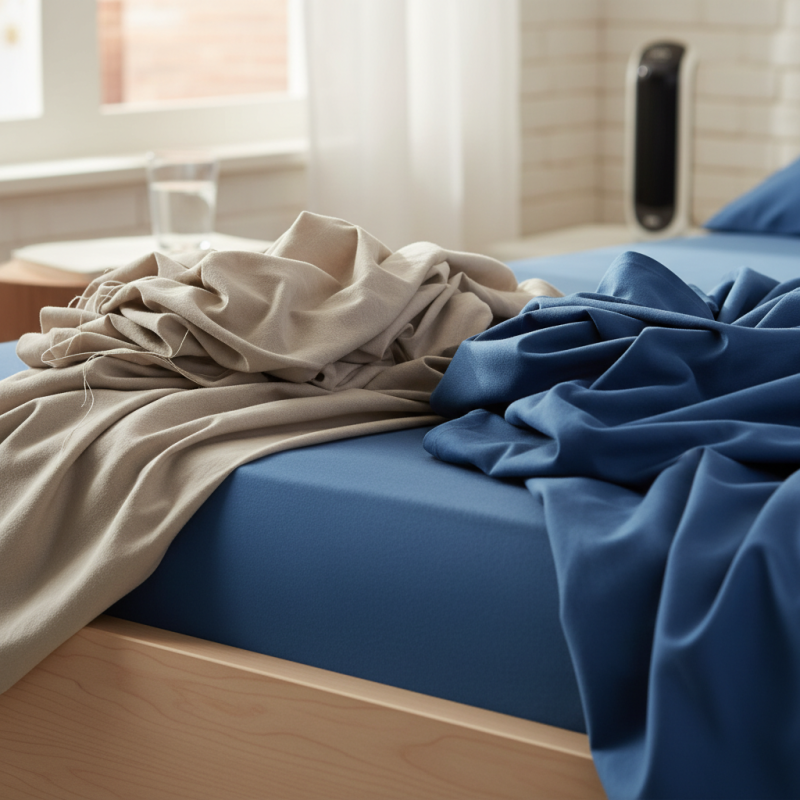
Microfiber and cotton sheets serve different needs and preferences. Microfiber, made from synthetic fibers, is popular for its softness and durability. It resists wrinkles and fading, making it ideal for busy lifestyles. Many people appreciate its hypoallergenic nature, which can be a relief for allergy sufferers. However, some may find it less breathable than cotton, leading to discomfort in warmer climates.
On the other hand, cotton sheets offer natural fibers that are breathable and absorbent. This allows for better temperature regulation, making them a favorite for hot sleepers. Cotton’s softness improves with each wash, giving it a luxurious feel over time. Yet, cotton sheets can wrinkle easily and require more care to maintain their quality. Some users might struggle with the initial roughness of new cotton sheets, leading to a longer breaking-in period for comfort.
Both types have their unique properties. A thoughtful choice depends on personal needs and preferences. Microfiber offers convenience, while cotton excels in comfort. When selecting sheets, consider factors like climate, maintenance, and how you sleep. Each material has benefits and potential drawbacks to weigh carefully.
| Feature | Microfiber Sheets | Cotton Sheets |
|---|---|---|
| Material | Synthetic fibers (usually polyester) | Natural fibers (cotton) |
| Breathability | Less breathable, can trap heat | Highly breathable, allows air circulation |
| Softness | Extremely soft and smooth | Softness varies by quality, generally soft |
| Durability | Very durable, resistant to fading | Durable, but can wear with frequent washing |
| Care Instructions | Machine washable, quick drying | Machine washable, may require ironing |
| Price | Generally less expensive | Varies widely based on quality |
| Allergies | Less likely to cause allergies | May cause allergies in some individuals |
: Microfiber is soft and durable, while cotton is breathable and absorbent. Microfiber resists wrinkles, cotton softens over time.
Cotton sheets are preferred for hot sleepers. They regulate temperature better and allow good air circulation.
Yes, many microfiber sheets are hypoallergenic, making them suitable for allergy sufferers. However, breathe less than cotton.
Wash microfiber sheets in cold water and dry them on low heat. They require minimal care and resist wrinkles.
Yes, cotton sheets need gentle washing and proper drying settings. This helps maintain their texture and prevents fraying.
Yes, new cotton sheets may feel rough initially. They usually become softer after several washes, but it takes time.
Yes, microfiber is more durable and withstands repeated washing without fading. Cotton may fray over time with frequent use.
Some users find microfiber less breathable. This can lead to discomfort on warm nights, trapping heat against the skin.
Consider your comfort needs and preferences. Think about breathability versus ease of care when deciding.
Cotton sheets can lose softness and develop frays if washed too often. They need gentle handling to maintain quality.
When considering "what is the difference between microfiber and cotton sheets," it's essential to examine their key characteristics. Microfiber sheets are made from ultra-fine synthetic fibers, which gives them a soft feel and a unique ability to wick moisture. They tend to be more stain-resistant and easier to care for, while also being less expensive. On the other hand, cotton sheets are made from natural fibers and are known for their breathability and comfort, providing a cooler sleep experience.
In terms of durability, both materials have their strengths; microfiber can withstand more washing without losing quality, while high-quality cotton sheets can offer lasting comfort. Ultimately, the choice between microfiber and cotton sheets depends on personal preferences regarding feel, care, and sleep environment, highlighting the unique attributes that each material brings to the bed.

 Texdura Textile