When it comes to bedding, many people wonder what is the difference between a duvet and a comforter. These two types of bed covers serve similar purposes, yet they have distinct characteristics that can greatly affect your sleep experience. A duvet is generally a soft, flat bag filled with down, feathers, or synthetic fibers. It offers exceptional warmth and comfort, often requiring a duvet cover for protection and style. On the other hand, a comforter is a thicker, quilted blanket that usually comes with a decorative outer fabric. Comforters are often filled with synthetic material and provide a more complete bedding solution without the need for additional covers.
Choosing between these two can be a challenge. Many think comforters are easier to use, but they lack the customizability of duvets. A duvet cover can be easily changed for a fresh look or feel, while comforters usually come in fixed designs. Additionally, maintenance varies as well. Duvets can be simpler to launder since only the cover requires frequent washing, while comforters often require whole cleaning due to their bulk.
Recognizing the nuances in how these bedding options function can enhance your sleeping environment. Ultimately, understanding what is the difference between a duvet and a comforter can guide you in making the right choice for your bedroom. Consider your lifestyle, aesthetic preferences, and how much effort you're willing to invest in bedding care.
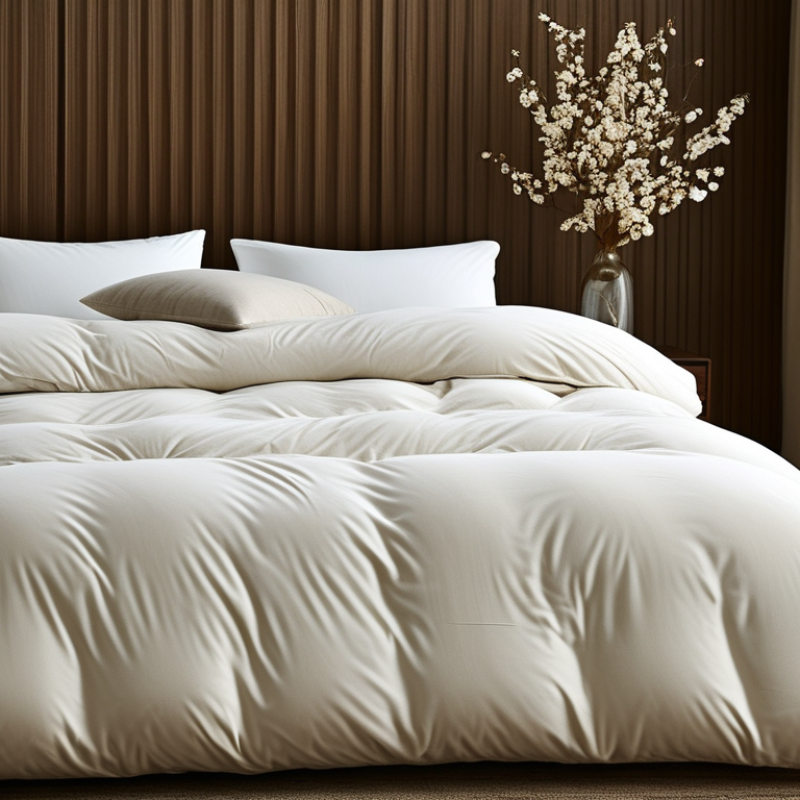
Understanding Duvets: Definition and Characteristics
A duvet is a type of bedding that has gained popularity in recent years. It typically consists of a soft flat bag filled with down, feathers, or synthetic fibers. The design encourages warmth while remaining lightweight. According to a 2021 industry report from the Global Bedding Market, the duvet segment alone accounted for 30% of bedding sales, illustrating the significant consumer preference for this versatile bedding option.
Duvets are characterized by their adaptability. They come with covers, making them easy to clean. You can change the cover to match your decor. This feature offers flexibility that a traditional comforter lacks. While aesthetically appealing, some users have found it challenging to handle. Duvets can slip inside their covers, requiring adjustments. Reports show that this can lead to dissatisfaction with usability.
Moreover, duvets provide varied warmth levels. They are filled with different materials, suited for different climates. Research indicates that a duvet with high-quality down offers superior insulation. However, it's essential to note that not all duvets perform equally. Evaluating the fill power and material type is necessary to ensure quality. Some consumers may overlook this aspect, leading to regret in their choice.
What is a Comforter? Key Features and Components
A comforter is a thick, fluffy blanket filled with materials like polyester or down. It typically has a fabric cover and is used as a top layer on a bed. Comforters come in various patterns and colors, adding style to your bedroom. They vary in warmth, making them suitable for different seasons.
What are the key features of a comforter? They are generally reversible, allowing for versatile design options. The edges are often stitched to keep the filling in place. Many comforters are machine washable, which simplifies maintenance. However, they can be heavy and less breathable compared to other bedding options.
When choosing a comforter, consider its weight and warmth. If you often feel hot at night, opt for a lighter fill. Alternatively, a heavier comforter may be beneficial in colder climates. Also, think about the fabric. Some materials can cause allergies, while others may feel softer against the skin.
A comforter is not always the easiest bedding to care for. Washing a large comforter can be challenging. It may not fit well in many home washing machines. Always check care instructions before washing. This ensures longevity and maintains its appearance.
Duvet vs Comforter: Key Differences
This chart compares duvets and comforters based on five key factors: warmth, weight, care, customization options, and cost. Each factor is rated on a scale from 1 to 10, providing a visual understanding of how each bedding option stands up against the other.
Comparing Materials: Duvets vs Comforters
When it comes to bedding, the materials used in duvets and comforters play a crucial role in your sleeping experience. Duvets are typically filled with down, feathers, or synthetic fibers, providing exceptional warmth without excessive weight. The outer casing is usually made of cotton or microfiber, ensuring breathability and comfort. Comforters, on the other hand, are often filled with synthetic materials or polyester. This makes them more affordable but can sacrifice some breathability.
In terms of maintenance, duvets tend to require more effort. They often need to be cleaned separately from their covers, which can be cumbersome. Comforters are usually easier to wash since they can often be cleaned as a single unit. However, this can lead to a quicker deterioration of the filling over time. Additionally, the variety in duvet covers allows for more personalization. Yet, this flexibility could also be overwhelming for those who prefer straightforward bedding.
When comparing textures, duvets often provide a softer, fluffier feel due to their loft. Comforters can sometimes feel flat and less adaptable to body shape. This difference in feel can significantly affect sleep quality. Experimenting with different combinations might lead to discoveries of your preferences, but it can also highlight the challenges in achieving the ideal comfort level.
Usage and Practicality: When to Choose Each Option
When selecting bedding, understanding the differences between a duvet and a comforter is crucial. A duvet typically requires a cover and is filled with insulating materials like down or synthetic fibers. This design allows for easy customization of warmth and aesthetic appeal. In contrast, a comforter is a standalone piece, often with a decorative outer layer. According to industry reports, nearly 60% of consumers prefer duvets for their versatility and ease of cleaning. However, some may find that comforters offer more immediate warmth without the need for extra layers.
Usage and practicality often depend on personal preference and climate. Duvets excel in varied weather conditions, allowing users to switch covers for seasonality. This can be a practical solution in regions with fluctuating temperatures. If one needs a quick solution or lives in a consistently warm area, a comforter can be ideal. Yet, some find comforters less breathable, leading to discomfort on hot nights. Research indicates that almost 30% of users express dissatisfaction with their comforter due to overheating.
Fine-tuning your bedding choice can significantly impact sleep quality. Think about what you need. Are you looking for style or warmth? Duvets help with layering, while comforters provide a cozy feel. Balance personal temperature preferences with ease of maintenance. Engage with your bedding choices for a more tailored experience as you reflect on your comfort needs and preferences.
Maintenance and Care: Duvets vs Comforters
When it comes to maintenance and care, duvets and comforters present distinct differences. Duvets generally require more attention. They often come with a removable cover, making washing easier. Regularly washing the cover is essential. You can wash the duvet itself, but it may need special care. Many duvets need to be dry-cleaned, which can be a hassle.
Comforters, on the other hand, tend to be more straightforward. They can often go straight into your washing machine. Yet, they might lose their shape after several washes. It's vital to check the care label for guidelines. Fluffing comforters after washing can restore some loft. However, maintaining their appearance can sometimes be tricky, especially with heavier fabrics.
Over time, both duvets and comforters collect dust and allergens. Regular maintenance is crucial for a healthy sleeping environment. While duvets may be more labor-intensive, they often offer better longevity. Comforters may be convenient, but may not always provide the same benefits. The choice between them should factor in your lifestyle and how much time you can commit to their care.
FAQS
: Duvets are typically filled with down, feathers, or synthetic fibers. They also have cotton or microfiber casing.
Duvets provide exceptional warmth without too much weight. Comforters may not be as warm but are often more affordable.
Comforters are usually easier to clean as they can often go straight into the washing machine.
Yes, duvets usually need more attention. They often require separate cleaning of covers and may need dry cleaning.
Duvets are fluffier and softer, while comforters can feel flat and less adaptable to body shape.
Yes, duvet covers offer more personalization options, but this could be overwhelming for some.
Comforters may lose their shape after several washes, so checking care labels is essential.
Regular maintenance for both duvets and comforters is vital for a healthier sleeping environment.
Duvets often have better longevity, while comforters may be convenient but might not last as long.
Consider your lifestyle and how much time you can dedicate to maintaining them. Reflect on your sleep preferences too.
Conclusion
In the exploration of bedding options, understanding "what is the difference between a duvet and a comforter" is essential. A duvet is typically a soft, flat bag filled with down, feathers, wool, or synthetic materials, known for its warmth and versatility, often requiring a duvet cover for protection and aesthetics. In contrast, a comforter is a thicker, quilted blanket that is usually filled with polyester or cotton, offering a cozy feel without the need for an additional cover.
When comparing materials, duvets tend to be more lightweight and customizable, while comforters provide a more traditional, ready-to-use experience. Practicality varies; duvets are ideal for layered bedding configurations, while comforters are suited for quick and straightforward use. Maintenance differs too, with duvets being easier to wash due to their covers, whereas comforters require complete washing less frequently. Ultimately, the choice between these two bedding types hinges on personal preferences for warmth, style, and ease of care.

 Texdura Textile