How to Effectively Reduce Dust Mites in Bedding?

Time:2026-07-12 Author:Liam
0%

Dust mites are a common pest found in household bedding. They thrive in warm, humid environments and can trigger allergies and asthma. According to the American Academy of Allergy, Asthma, and Immunology, about 20 million people in the U.S. are allergic to dust mites. This statistic highlights the importance of knowing how to reduce dust mites in bedding.

Dr. William Schaffner, an infectious disease expert, states, “Keeping bedding clean and dry is crucial in managing dust mite populations.” Regular washing of bedding in hot water and using allergen-proof covers can diminish their presence. A study by the National Institute of Health emphasizes that washing bedding weekly can reduce dust mite allergens by 90%.

While these measures are effective, they require consistent effort. Many people may overlook their bedding cleanliness, contributing to a persistent issue. Investing in low-humidity dehumidifiers and air purifiers can further aid in controlling dust mite levels. Learning how to reduce dust mites in bedding is not just about comfort; it's essential for a healthier living environment.
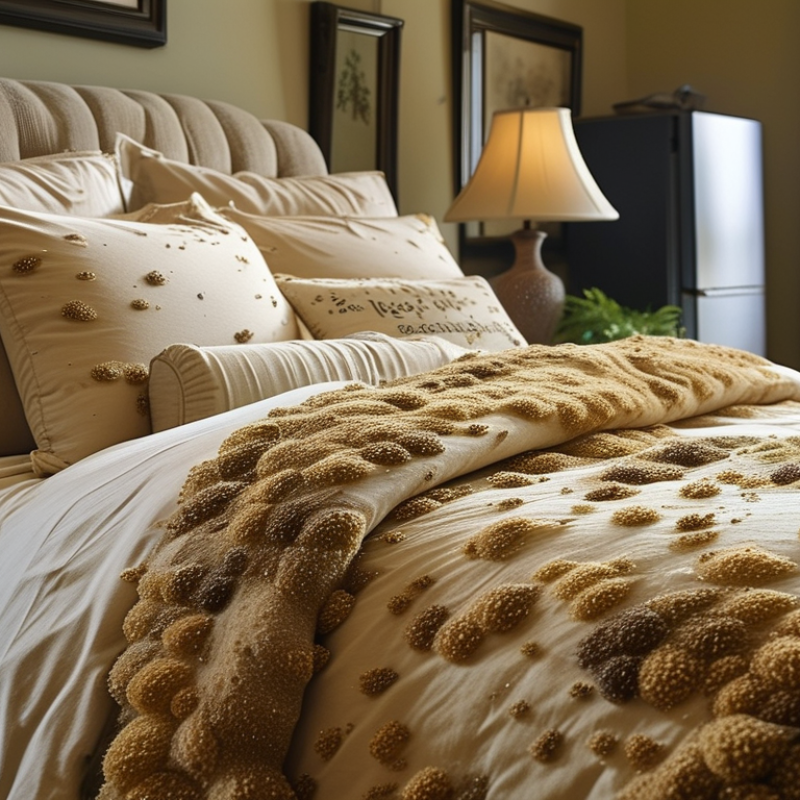
How to Effectively Reduce Dust Mites in Bedding?

Understanding Dust Mites and Their Impact on Health

Dust mites are microscopic creatures that thrive in warm, humid environments. They are commonly found in bedding, carpets, and upholstered furniture. A recent study published in the Journal of Allergy and Clinical Immunology suggests that dust mites can trigger various allergic reactions, affecting approximately 20 million adults and 6 million children in the United States. These reactions can lead to asthma, eczema, and chronic nasal congestion.

The primary food source for dust mites is human skin flakes. Surprising as it may seem, a single person sheds nearly 1.5 grams of skin each day. This accumulation creates the perfect environment for dust mites to flourish. The presence of dust mites can significantly impact indoor air quality. When disturbed, their waste and body fragments become airborne, potentially causing allergic reactions in sensitive individuals.

Reducing dust mites in bedding is crucial for improving health outcomes. Utilizing dust-proof covers for pillows and mattresses can significantly decrease exposure. Regular washing of bedding in hot water above 130°F (54°C) is also recommended. Furthermore, maintaining a low indoor humidity level, ideally around 30-50%, can help deter dust mite populations. However, many individuals overlook these simple habits, leaving their homes vulnerable to these common allergens.

Choosing the Right Bedding Materials to Minimize Dust Mites

Choosing the right bedding materials is crucial to minimizing dust mites. Studies reveal that dust mites thrive in certain fabrics. Cotton and polyester blends, for instance, are popular, yet they can retain moisture. Dust mites flourish in warm, humid environments. Opting for materials that wick away moisture can help in controlling their population.

Consider using hypoallergenic bedding options. These materials often undergo treatment to resist dust mite proliferation. Fabrics such as microfiber and bamboo are known for their breathable qualities. According to a report by the Asthma and Allergy Foundation of America, dust mite allergens can contribute to respiratory issues. Switching to these types can create a less hospitable environment for dust mites.

Regular cleaning is also essential. Wash bedding in hot water, ideally above 130°F. This temperature effectively kills dust mites. Using dust mite-proof covers on pillows and mattresses can further reduce exposure. Remember, even the best materials require consistent maintenance to stay effective. It's a constant battle against an invisible foe.

Effectiveness of Various Bedding Materials in Reducing Dust Mites

This chart illustrates the effectiveness of various bedding materials in reducing dust mites. Microfiber and silk demonstrate higher reduction rates, making them more suitable for allergy-prone individuals.

Effective Washing and Cleaning Techniques for Bedding

Dust mites thrive in bedding, and reducing their presence is crucial for health. Research indicates that around 20 million Americans are allergic to dust mites. Regular washing is an effective strategy. The Asthma and Allergy Foundation of America suggests washing bedding in hot water, at least 130°F (54°C), to kill dust mites effectively.

Using a high-quality detergent enhances the cleaning power. Moreover, make it a habit to wash sheets and pillowcases weekly. Consider adding allergen-proof covers to pillows and mattresses. These covers create a barrier against dust mites, ensuring a cleaner sleep environment.

Tip: Maintain low humidity in your bedroom. Dust mites prefer humidity levels above 50%. Using a dehumidifier can significantly reduce their population.

Changing your bedding routinely also contributes to dust mite control. Encouraging natural sunlight exposure helps as well. Ultraviolet rays within sunlight can kill dust mites in linens.

Tip: Store off-season bedding in airtight bags. This prevents exposure to dust mites while not in use.

Implementing Environmental Controls to Reduce Humidity

Reducing humidity is crucial in the battle against dust mites in bedding. Studies indicate that dust mites thrive in environments with humidity levels above 50%. Keeping humidity levels below 50% can dramatically decrease their population. For instance, the American Academy of Allergy, Asthma, and Immunology emphasizes the importance of controlling indoor humidity to reduce allergic reactions caused by dust mites.

To effectively manage humidity, using dehumidifiers can be beneficial. These devices help maintain optimal moisture levels. A report by the Environmental Protection Agency highlights that controlling humidity can prevent not only dust mites but also mold growth. Regularly ventilating your home, especially in damp areas like basements, also aids in moisture control.

Moreover, washing bedding in hot water weekly is essential. High temperatures kill dust mites, but moisture accumulates during and after washing. Ensuring that bedding dries completely within a short period helps minimize humidity. It’s a simple change, yet many overlook it. Some may struggle with implementing these habits consistently. Reflecting on these challenges can enhance the effectiveness of dust mite control efforts.

Utilizing Allergen-Reducing Products for Bedding Maintenance

Dust mites thrive in bedding, feeding on dead skin cells. According to the Asthma and Allergy Foundation of America, about 20 million Americans are allergic to these tiny creatures. Reducing allergen levels in bedding not only alleviates symptoms but also improves overall health. Utilizing allergen-reducing products is vital for effective mattress and pillow maintenance.

Regular use of dust mite covers is crucial. These covers are specially designed to create an impenetrable barrier against allergens. A study published in the Journal of Allergy and Clinical Immunology showed that using these protective covers can lower exposure to allergens by over 90%. Washing bedding frequently in hot water, at least 130°F, is also recommended. This can eliminate dust mites and their waste, which are potent allergens.

Additionally, consider air purifiers equipped with HEPA filters to reduce allergens in the bedroom. A report by the Environmental Protection Agency indicates that HEPA filters can capture up to 99.97% of particles, including dust mite waste. However, not all strategies may yield the same results for everyone. Personal experiences vary, and ongoing adjustments may be necessary to find the most effective approach for your bedding maintenance.

FAQS

: What are dust mites?

: Dust mites are tiny creatures that live in warm, humid places. They thrive in bedding and carpets.

How do dust mites affect health?

They can trigger allergic reactions, asthma, and chronic nasal congestion in many people.

What do dust mites feed on?

Dust mites primarily eat human skin flakes. A person sheds about 1.5 grams daily.

How can I reduce dust mites in my bedding?

Use dust-proof covers and wash bedding in hot water, at least 130°F (54°C).

What humidity level deters dust mites?

Keeping indoor humidity between 30-50% can help reduce dust mite populations effectively.

How often should I wash my bedding?

It's best to wash sheets and pillowcases weekly to reduce allergens effectively.

Can sunlight help with dust mites?

Yes, natural sunlight can kill dust mites due to its ultraviolet rays.

What products help reduce allergens?

Allergen-reducing covers and air purifiers with HEPA filters can significantly lower allergen exposure.

Why might strategies vary in effectiveness?

Personal experiences with dust mite control differ; adjustments may be needed for best results.

Are there easy changes to make for better control?

Regular cleaning habits and using airtight storage can enhance your dust mite management.

Conclusion

Dust mites are microscopic pests that thrive in bedding and can significantly impact human health, causing allergies and respiratory issues. To effectively reduce dust mites in bedding, it is essential to choose appropriate bedding materials that are less hospitable to these allergens. This includes selecting hypoallergenic and tightly woven fabrics. Regular washing and cleaning techniques, such as using hot water and drying bedding thoroughly, play a crucial role in minimizing mite populations. Additionally, implementing environmental controls to reduce humidity can create an unfavorable environment for dust mites, while utilizing allergen-reducing products helps maintain a clean sleep space. By following these strategies, individuals can learn how to reduce dust mites in bedding and improve their overall health and comfort.

Liam

Liam

Liam is a dedicated marketing professional with a profound expertise in the industry, where he excels at highlighting the unique advantages of our core products. With a keen understanding of market trends and consumer needs, Liam frequently updates our company’s professional blog, providing......