When considering the question, "are expensive sheets really better?" many consumers turn to experts for clarity. Renowned textile expert Dr. Emma Lewis states, "Quality is not just a price tag; it's about comfort and durability." This insight opens up a critical conversation about bedding and the perceived value of high-end sheets.
Expensive sheets often promise superior materials and craftsmanship. Yet, many buyers wonder if the extra cost translates to tangible benefits. For example, luxury sheets may use finer threads and specialty weaves. However, the true impact on sleep quality is often subjective.
Moreover, the market is flooded with options at every price point. Shoppers often face overwhelming choices that may confuse rather than clarify. Are ultra-soft Egyptian cotton sheets significantly better than basic ones? Many consumers are left pondering these questions. The reality is, the best sheets for a good night's sleep may not always come with a hefty price tag.
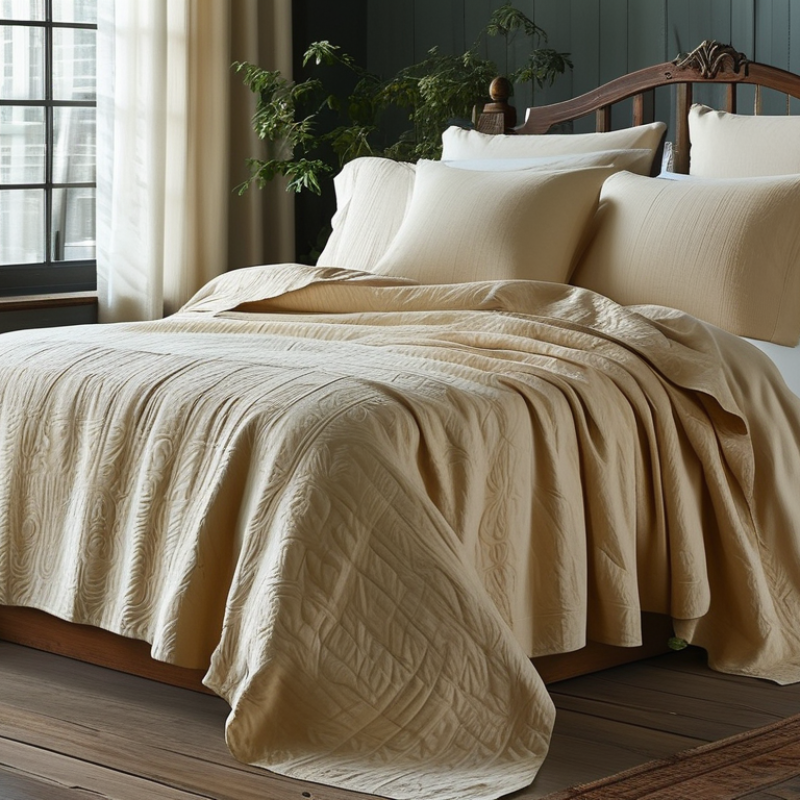
The cost of bed sheets can vary dramatically around the world. Many factors influence this price.
Material quality is one of the most significant. Higher-quality fabrics, such as Egyptian cotton or linen, often come with a steep price tag.
These fabrics promise durability and a luxurious feel against the skin. However, not everyone can tell the difference between basic cotton and premium blends.
Another vital factor is the production process. Sheets made in countries with higher labor costs generally tend to be more expensive. Ethical manufacturing practices often drive up these costs as well.
Consumers increasingly seek transparency in how their bedding is made. This demand leads to higher prices but raises questions about supply chain fairness.
Additionally, market demand plays a crucial role. Seasonal trends and design popularity can increase prices temporarily.
Shoppers may find themselves caught off guard by rising costs during peak seasons. Understanding these factors can empower buyers to make informed choices. While the allure of higher-end sheets is clear, it’s essential to reflect on personal needs and budget constraints.
When it comes to sheets, material quality plays a crucial role. High-end sheets often use better materials. These might be Egyptian cotton, linen, or silk. These fabrics can feel softer against the skin and provide more durability. In contrast, affordable sheets often use synthetic materials or lower-grade cotton. This can lead to a rougher texture and quicker wear and tear.
However, not all expensive sheets guarantee superior quality. Some might focus on marketing rather than material integrity. Potential buyers should examine the thread count and fabric composition. A high thread count can indicate a denser weave, but it may not always mean softness. Additionally, thread count alone can be misleading. Budget-friendly options can still perform well if made with good craftsmanship.
Reflecting on this, consumers should consider their needs. Are you looking for luxury or practicality? Understanding personal preferences can guide choices. It’s not just about spending more for prestige but ensuring the right fit for your lifestyle. Quality does matter, but so does individual comfort and budget.
The quality of sleep is often linked to bedding choices. Many people believe that higher-priced sheets contribute to better rest. But is this true? Studies show mixed results. Some buyers report deeper sleep and comfort from expensive sheets. Others find no significant differences.
When considering expensive sheets, look closely at the materials used. Cotton, linen, and silk all offer unique benefits. Cotton is breathable, while silk feels luxurious. Yet, personal preferences differ widely. What feels great to one might feel uncomfortable to another. Assessing texture and weight matters.
Sleep quality can also depend on factors beyond sheets. Room temperature, mattress type, and personal stress levels play a role. Investing in sheets may not solve all sleep issues. Reflecting on these aspects can lead to more mindful purchases. Ultimately, what enhances one person’s sleep might not work for another.
When investing in high-end bed sheets, longevity and care are crucial factors. Many buyers believe that expensive sheets will last longer. This notion often stems from the materials used and the craftsmanship involved. Quality sheets can endure wear and tear better than cheaper alternatives. However, proper care is essential to maximize their lifespan.
Caring for luxury sheets requires specific attention. Washing them in cold water with gentle detergent can prevent fading. High temperatures can lead to premature wear. Additionally, avoiding fabric softeners is recommended, as they can break down thread fibers. Regularly rotating and flipping the sheets can also help maintain their form.
Despite the perceived advantages, not all high-end sheets meet expectations. Variations in fiber quality can lead to mixed results. Some sheets may pill or lose their softness over time. It’s important for buyers to carefully assess their choice. Reading user reviews and understanding maintenance requirements can aid in making informed decisions. Ultimately, proper care largely influences the longevity of expensive sheets.
Luxury sheets have become increasingly popular around the globe. Many people are curious about the reasons behind this trend. Softness, durability, and overall comfort are major factors that attract buyers. A well-chosen set of sheets can transform a bedroom into a soothing oasis. However, they come with a higher price tag, sparking debates on whether they are worth the investment.
The rise of awareness around sleep quality is driving this interest. Studies link quality sleep to improved health and well-being. Shoppers want products that enhance their nightly rest. Luxury sheets often boast materials such as Egyptian cotton or bamboo. These fabrics not only feel great but also offer breathability and temperature regulation. Yet, some buyers question if the benefits justify the cost. The market reflects a split; while many invest in high-end sheets, others opt for budget-friendly alternatives.
Affordability is a common concern. Many consumers feel torn between splurging on luxury and staying within budget. Furthermore, some sheets labeled as ‘luxury’ may not meet expectations. Shoppers need to research before purchasing. Reading reviews and understanding fabric types can help buyers make informed choices. Without careful consideration, a big investment may lead to disappointment rather than delight.
| Region | Percentage of Consumers Buying Luxury Sheets | Average Price of Luxury Sheets (USD) | Growth Rate in Demand (%) |
|---|---|---|---|
| North America | 45% | $220 | 5% |
| Europe | 38% | €200 | 7% |
| Asia-Pacific | 30% | ¥1500 | 10% |
| Latin America | 25% | $120 | 4% |
| Middle East & Africa | 20% | AED 800 | 6% |
: High-end sheets often use Egyptian cotton, linen, or silk. These fabrics feel softer and are more durable.
Not necessarily. Some pricey sheets may focus more on marketing than material quality. It’s important to examine specifics.
Look at fabric composition and craftsmanship. A high thread count doesn’t always mean softness or durability.
Wash luxury sheets in cold water with gentle detergent. Avoid high temperatures and fabric softeners to maintain quality.
People are increasingly aware of sleep quality's importance for health. Softness and comfort attract buyers to high-end options.
It depends. They offer comfort, but affordability is a concern. Some luxury options may not meet expectations, leading to buyer regret.
Research fabric types and read reviews. Understanding personal needs can guide better decisions in sheet purchases.
Some may pill or lose softness over time due to variations in fiber quality. Proper care is crucial for longevity.
Yes, if made with good craftsmanship, budget sheets can still offer a good experience. Price isn’t the only indicator of quality.
The article titled "Are Expensive Sheets Worth the Cost for Buyers Worldwide?" explores the various factors that influence the pricing of bed sheets in global markets, including material quality and brand positioning. A comparative analysis reveals that while expensive sheets often use superior materials, the distinction in quality may not always justify the higher cost for all consumers. The article also delves into consumer perceptions, questioning whether these pricey options genuinely enhance sleep quality, as many believe.
Moreover, it discusses the longevity and maintenance needs of high-end sheets, suggesting that their durability can be an advantage for some buyers. The current market trends indicate a growing interest in luxury sheets, prompting a consideration of whether expensive sheets are really better. Ultimately, the article encourages readers to weigh their personal preferences and budget against the perceived benefits of premium bedding, highlighting the diverse views on value in the realm of sheets.

Texdura Textile