Top 10 Reasons Why Does My Duvet Feel Too Heavy?

Time:2026-07-17 Author:Ethan
0%

Choosing the right duvet can significantly impact your sleep quality. Many people wonder, "why does my duvet feel too heavy?" This feeling often stems from materials and construction. According to a report by the Sleep Foundation, weight affects sleep comfort and can lead to restlessness.

Heavy duvets are typically filled with down, wool, or synthetic fibers. While these materials offer warmth, they can also add unwanted density. Studies show that 65% of individuals prefer lighter bedding for better sleep. A duvet's warmth should not be equated with its weight. If your duvet feels too cumbersome, it might not suit your sleeping style.

It's important to consider personal comfort levels. Some find heavy duvets reassuring, while others feel suffocated. Reflecting on your preferences can help you choose wisely. Additionally, seasonal changes may influence how heavy or light you want your duvet to feel. Understanding these factors enhances your sleep experience.
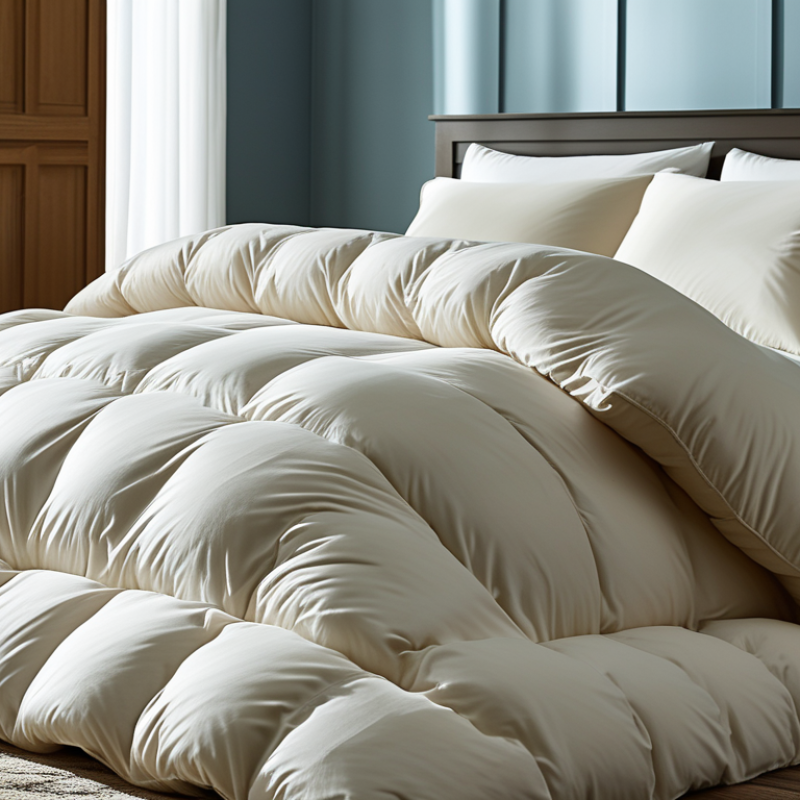
Top 10 Reasons Why Does My Duvet Feel Too Heavy?

Understanding Duvet Weight: Insights from Sleep Research Studies

The weight of a duvet can significantly influence sleep quality. Research shows that heavier duvets may increase feelings of warmth and security. A study published in the Journal of Clinical Sleep Medicine found that over 60% of participants preferred heavier bedding for improved comfort. This weight can promote deeper sleep by reducing restlessness.

However, not all individuals find heavier duvets enjoyable. Some report feeling too constricted or hot under thick layers. The Sleep Foundation suggests that a duvet's ideal weight should match personal preferences and sleeping conditions. A standard recommendation is around 10% of one’s body weight.

Considerations should include duvet material and fill type. Natural down has different thermal properties than synthetic fills. These choices affect not only weight but also comfort. It's crucial to find balance. A too-heavy duvet may lead to disrupted sleep, while a lighter option might not provide enough warmth. Understanding these dynamics is key to a restorative sleep environment.

Common Materials and Their Impact on Duvet Heaviness

Choosing the right duvet material can greatly influence how heavy it feels. Natural fibers like cotton are light and breathable. They offer a comfortable sleeping experience without excessive weight. On the other hand, synthetic materials, such as polyester, can make a duvet feel bulkier and heavier. While they tend to be more affordable, they don't always breathe well.

Down and feather duvets can also add to that heavy sensation. These materials trap heat effectively but may feel weighty to some sleepers. In colder months, they offer warmth but may sometimes feel oppressive. It’s essential to consider your sleep environment and personal preferences.

Tip: If your duvet feels too heavy, consider switching to a lighter material like silk or bamboo. These alternatives provide warmth without the heaviness. Also, evaluate your bedding layers. Sometimes simply reducing layers can enhance your sleep comfort. Adjusting your duvet could mean a better night’s sleep. Reflect on what feels right for you.

The Role of Insulation and Warmth in Duvet Weight

A duvet's weight often relates directly to its insulation and warmth. Heavier duvets typically contain more filling, which can trap warmth effectively. This insulation helps maintain body heat during colder nights. However, too much weight can lead to discomfort, restricting movement and causing overheating.

Choosing the right duvet means finding a balance between warmth and weight. A lighter duvet might feel less restrictive. However, it may not provide adequate insulation for very cold climates. Consider the materials used as well. Natural fillings like down offer excellent warmth without excessive weight. Synthetic options may feel heavier but can provide similar warmth levels.

It’s essential to reflect on personal comfort preferences. What feels cozy to one might be oppressive to another. Experimenting with different weights and materials can lead to better sleep quality. Don’t settle for a duvet that feels overly heavy; it’s worth the effort to find the right one for your needs.

Evaluating Your Sleep Environment: Temperature and Duvet Choice

When assessing your sleep environment, temperature and duvet choice play crucial roles. A duvet that feels excessively heavy can lead to discomfort during the night. It's essential to find the right balance between warmth and weight to promote restful sleep. An overly thick duvet may trap too much heat. This can disrupt your body's natural temperature regulation, leading to restlessness.

One tip to improve your sleep environment is to evaluate your room's temperature. Aim for a cooler bedroom, ideally between 60°F to 67°F (15°C to 19°C). A cooler setting can work wonders in feeling comfortable with a heavier duvet. Adjusting your room temperature can make a significant difference in your comfort level, even with a dense duvet.

Additionally, consider the duvet's fill material. Natural materials like down are lighter and warmer, while synthetic options can be heavier. Understanding the fill type helps you make informed choices. Lightweight, breathable options can provide warmth without that heavy feeling. If your duvet weighs down on you, reflect on these aspects carefully. Adjusting your duvet selection or room temperature can enhance your sleep quality significantly.

Top 10 Reasons Why Does My Duvet Feel Too Heavy? - Evaluating Your Sleep Environment: Temperature and Duvet Choice

Reason Description Recommended Action
Material Weight Duvets made from heavier materials can feel more substantial. Consider lighter options such as cotton or microfiber.
Fill Type Down or heavy synthetic fillings can increase duvet weight. Opt for lighter fill types like silk or alternative polyester fills.
Room Temperature A warm bedroom may enhance the feeling of heaviness. Keep the room cool to reduce discomfort.
Duvet Size A larger duvet may feel bulkier and more restrictive. Choose a duvet that fits your bed size properly.
Personal Comfort Individual preferences vary; some may feel cozy while others feel trapped. Test different types of duvets to find what feels best for you.
Night Sweats High temperatures during sleep can amplify duvet heaviness. Use moisture-wicking sheets and breathable duvets.
Allergens Heavy duvets may trap dust and allergens, contributing to discomfort. Choose hypoallergenic fills and regularly wash your duvet.
Sleep Position Some sleep positions may feel more restricted under a heavy duvet. Experiment with a lighter duvet to improve sleep quality.
Sleeping Patterns Inconsistent sleep patterns can influence how weighty the duvet feels. Create a regular sleep schedule to enhance comfort.

Health Considerations: Allergies and Sensitivity to Heavy Duvets

Heavy duvets can pose challenges for people with allergies or sensitivity. Many individuals experience discomfort from synthetic fills, which may aggravate respiratory issues. The American Academy of Allergy, Asthma & Immunology reports that allergens can accumulate in heavy bedding, triggering reactions.

Studies indicate that dust mites thrive in warm, dark environments. Heavy duvets can create such conditions. Therefore, regular washing is crucial. A duvet should be cleaned at least once every three months in hot water. This helps minimize allergen accumulation.

Tip: Consider choosing lighter bedding materials. Cotton or bamboo fill options may not feel as heavy and can reduce allergy triggers. Furthermore, ensure your duvet has a breathable cover to enhance airflow.

Another consideration is the weight itself. Heavy duvets can lead to discomfort during sleep. According to sleep studies, the pressure from heavy bedding can disrupt sleep quality. Using a lighter blanket at night may help improve sleep comfort and overall health.

Tip: Invest in a duvet with a lower fill weight. This choice can provide warmth without the oppressive heaviness, contributing to a better night's sleep.

Top 10 Reasons Why Does My Duvet Feel Too Heavy?

FAQS

: How does the material affect duvet weight?

: Natural fibers like cotton are light, while synthetic ones like polyester tend to feel heavier.

What are the benefits of down and feather duvets?

They trap heat well but may feel heavy, especially in warmer months.

Can a heavy duvet disrupt sleep?

Yes, an overly thick duvet may trap heat and disturb your comfort throughout the night.

What temperature should my bedroom be for optimal sleep?

Aim for a cool room temperature between 60°F to 67°F (15°C to 19°C) for better sleep quality.

What should I consider if my duvet feels too heavy?

Consider switching to lighter materials like silk or bamboo, or reduce your bedding layers.

How can I improve my sleep environment?

Evaluate room temperature and choose the right duvet fill type to balance warmth and weight.

Are there any alternatives for a heavy duvet?

Yes, lighter options like silk or breathable materials can provide warmth without added heaviness.

Why is it important to evaluate duvet fill material?

Different fill materials affect weight and warmth, influencing your overall sleeping comfort.

What happens if my duvet traps too much heat?

It can disrupt your body's temperature regulation, leading to discomfort and restlessness.

Can adjusting bedding layers really help?

Yes, reducing layers can enhance comfort and potentially improve your quality of sleep.

Conclusion

If you're wondering "why does my duvet feel too heavy," it's essential to explore various factors that contribute to duvet weight. Understanding duvet weight begins with insights from sleep research studies, which indicate that the materials used—such as down, wool, or synthetic fibers—significantly impact how heavy a duvet feels. Heavier materials often provide better insulation and warmth, which can enhance sleep quality but may also feel cumbersome.

Additionally, your sleep environment plays a crucial role in this perception; room temperature and personal preferences in duvet choice can affect comfort levels. Health considerations, like allergies or sensitivity to weight, are also critical in determining if a heavy duvet is right for you. By evaluating these aspects, you can better understand why your duvet may feel too heavy and make informed choices to improve your sleep experience.

Ethan

Ethan

Ethan is a seasoned marketing professional with a deep expertise in our company's innovative product line. With a passion for sharing knowledge and insights, he takes the lead in regularly updating our corporate blog, where he explores industry trends, product features, and effective marketing......