Why Do My Sheets Feel Rough After Washing 5 Easy Tips?

Time:2026-05-31 Author:Amelia
0%

Have you ever wondered, "why do my sheets feel rough after washing"? This common issue can perplex even the most diligent laundry enthusiasts. According to fabric care expert Dr. Lisa Chen, “The texture of your sheets is affected by several factors, including detergent use and drying methods.” Understanding these factors is crucial in getting that soft, inviting feel we all desire.

When washing sheets, it's easy to overlook the impact of detergent residue. Many people use too much soap, leading to buildup. This buildup can cause sheets to feel harsh against the skin. Additionally, the drying process plays a key role. Drying sheets at high heat can damage fibers, resulting in a coarse finish.

Finally, the material of your sheets influences their texture. Cotton, for example, can feel different depending on its thread count and weave. It’s essential to consider these details to maintain softness. Reflecting on these elements can help you achieve laundry success and avoid that frustrating rough feel.
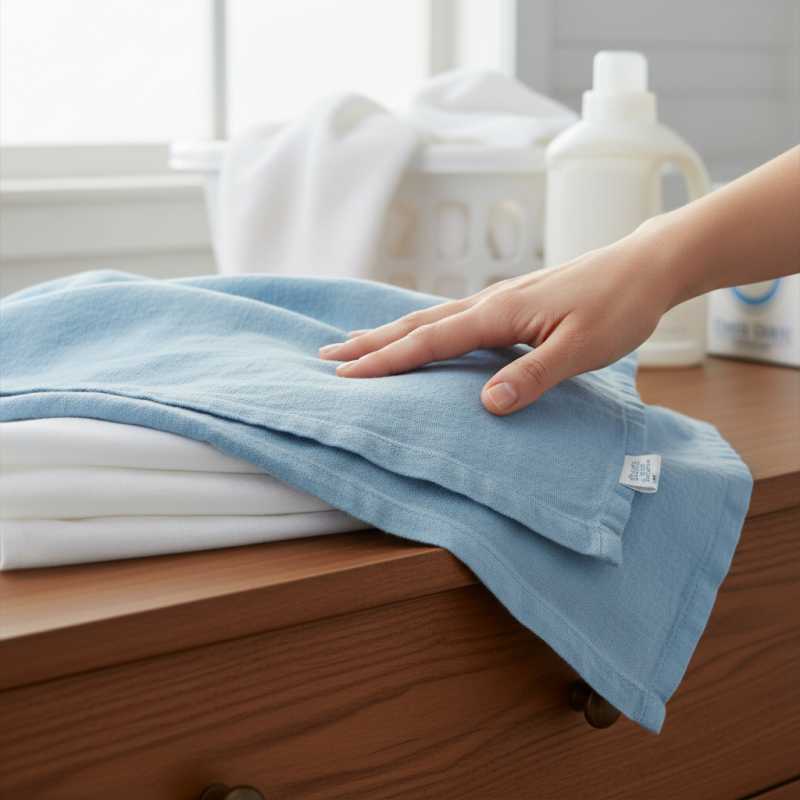
Why Do My Sheets Feel Rough After Washing 5 Easy Tips?

Understanding the Causes of Rough Sheets After Washing

Rough sheets after washing can be frustrating. Several factors contribute to this texture. Often, it starts with detergent residue. Using too much soap leaves a film that makes sheets feel stiff. Rinsing issues can also play a role. If your washing machine doesn’t rinse properly, it may leave detergent behind. This can affect how soft your sheets feel.

Fabric type is another consideration. Natural fibers, like cotton, can become rough if not cared for properly. Over-drying can cause fibers to stiffen. High heat settings may not be the best choice for all fabrics. Water hardness is also a factor. Hard water contains minerals that can cling to fabrics. This makes sheets feel scratchy.

Lastly, it's easy to overlook the drying process. Using dryer sheets can help, but they might not be enough. If your sheets feel rough, reflect on your washing habits. The goal is to find balance. Consider washing with less detergent or trying a gentle cycle. Experimenting with these tips can lead to softer, more comfortable sheets over time.

Why Do My Sheets Feel Rough After Washing 5 Easy Tips?

Cause Description Tip to Resolve
Hard Water Minerals in hard water can leave residues, making sheets feel rough. Use a water softener or wash sheets in distilled water.
Detergent Build-Up Excess detergent can accumulate on fabric, resulting in a rough feel. Use less detergent and run an extra rinse cycle.
Drying Method Over-drying or using high heat can damage fibers. Dry on a low setting and remove while slightly damp.
Fabric Quality Lower-quality sheets can feel rougher over time. Invest in higher-thread-count sheets that are softer.
Environmental Factors Humidity or pollution can impact fabric feel. Store sheets in a cool, dry place and clean regularly.

The Role of Detergent in Sheet Texture and Feel

The texture of your sheets after washing can be influenced significantly by the detergent you use. Many commercial detergents contain chemicals that can leave a residue. This residue may cling to the fibers of your sheets, making them feel rough and uncomfortable against your skin. To ensure a gentle wash, look for mild, eco-friendly detergents. They typically lack harsh additives and can help preserve fabric softness.

Another aspect to consider is how much detergent you use. Overloading can cause buildup, leading to a coarser texture. It’s essential to follow the recommended dosage. Washing sheets with too much detergent may seem like a good idea, but it often results in more issues. Additionally, ensure that you’re rinsing thoroughly to eliminate any remaining soap. Sometimes, it’s easy to overlook the rinse cycle, yet it’s crucial for maintaining a soft feel.

The hardness of your water also plays a role. Hard water can react with detergents, creating soap scum. This can further contribute to rough textures. If you notice this issue, consider using a water softener. It can make a noticeable difference in how your sheets feel post-wash. These small adjustments can transform your laundry experience, although they require constant attention.

Importance of Suitable Washing Temperature for Soft Sheets

The washing temperature of your sheets plays a crucial role in their softness. According to a study by the Textile Research Journal, using water temperatures above 60°C can effectively remove allergens and bacteria. However, excessively high temperatures may also degrade fabric fibers, leading to a rough feel. This balance is essential for maintaining sheet quality.

Experts recommend washing sheets in warm water, around 40°C, for the best results. This temperature not only cleanses effectively but also preserves fabric integrity. The American Cleaning Institute states that warmer temperatures might enhance detergent effectiveness, breaking down dirt and oils without damaging fibers.

Occasionally, sheets still feel rough after washing. This could be due to detergent residues or improper rinsing. A 2021 report found that nearly 25% of consumers experienced this issue, often related to overloading the washing machine. Ensuring adequate rinsing cycles is a simple fix. Remember, the right temperature combined with proper washing practice is key to soft, comfortable sheets.

Tips for Proper Drying Techniques to Maintain Softness

Drying your sheets properly is essential for maintaining their softness. Many people overlook this step, leading to that rough feeling after washing. To avoid this issue, consider air drying your sheets whenever possible. This method helps retain their natural texture and minimizes wear from high heat.

Another effective technique is to use a lower heat setting on your dryer. High temperatures can cause fibers to break down, resulting in a harsher texture. For a smoother finish, remove the sheets from the dryer while they are still slightly damp. This will allow you to prevent over-drying, which can contribute to stiffness.

Lastly, consider adding dryer balls or clean tennis balls to your dryer. These items help to separate the sheets, allowing for better airflow. This not only helps as they tumble but also reduces wrinkles. It’s important to find a balance—too much moisture can lead to mildew, while too much heat can ruin softness. Experimenting with these techniques can help you achieve the perfect texture.

Choosing the Right Fabric Softener for Smooth Sheets

Choosing the right fabric softener can dramatically improve the feel of your sheets. Many people overlook this essential step. The right softener helps reduce friction between fabric fibers. This creates a smoother, softer surface against your skin.

When selecting a fabric softener, consider its ingredients. Natural softeners, like those derived from plant-based oils, can be gentler on fabrics. They may also be less irritating to sensitive skin. Avoid products that contain heavy fragrances or harsh chemicals. These can lead to skin reactions and may even coat your sheets, leaving them feeling rough. Opt for unscented or lightly scented alternatives for a more pleasant experience.

Remember, fabric softener isn't a one-size-fits-all solution. You may need to experiment with different types to find your perfect match. Some softeners may leave residue on high-thread-count sheets, making them feel stiff. A light touch is essential. These decisions take time and reflection, but they are worth it for a cozy night’s sleep.

FAQS

: Why are my sheets rough after washing?

: Rough sheets can result from detergent residue, rinsing issues, or fabric care.

How does detergent affect sheet texture?

Some detergents leave a residue that clings to sheets, causing a rough feel.

Is there a recommended amount of detergent?

Yes, using the correct dosage prevents buildup and rough textures on sheets.

What is the impact of water hardness on sheets?

Hard water can react with detergents, leading to a scratchy feel on fabrics.

How can I improve the drying process for softness?

Air drying or using low heat settings helps maintain the natural softness of sheets.

What can I do if my sheets are still rough?

Consider using dryer balls and adjusting washing habits for better results.

Should I rinse my sheets multiple times?

Rinsing thoroughly ensures that all detergent is removed, promoting a softer feel.

How does over-drying affect sheets?

Over-drying can stiffen fibers, leading to a rough texture against your skin.

Conclusion

If you've ever wondered "why do my sheets feel rough after washing," several factors could be at play. This article delves into the common causes of rough sheets, such as the type of detergent used and the washing temperature. Detergents can leave residues that affect the texture of your sheets, while washing at inappropriate temperatures can lead to a lack of softness.

To ensure your sheets remain soft and smooth, it's essential to employ proper washing and drying techniques. Using adequate drying methods can help preserve their texture, and selecting the right fabric softener can significantly enhance their feel. By following these easy tips, you can enjoy softer, more comfortable sheets after every wash.

Amelia

Amelia

Amelia is a seasoned marketing professional with a wealth of expertise in our company’s core offerings. With an unwavering passion for driving growth and innovation, she plays a pivotal role in shaping our marketing strategies and enhancing brand visibility. A key aspect of her responsibilities......