How to Stop Sweating at Night Even with Clean Sheets?

Time:2026-06-22 Author:Ethan
0%

Night sweating can be a frustrating experience. Many people wonder, "why do I sweat at night even with clean sheets?" This common issue often disrupts sleep. It can leave individuals feeling drained and uncomfortable. Understanding the factors behind night sweating is essential. Room temperature, humidity, and underlying health conditions can all play significant roles.

Additionally, lifestyle choices can contribute to excessive sweating. The foods we eat, the medications we take, and even emotional stress may impact our body's temperature regulation. A downward spiral of sleepless nights can ensue. It’s important to recognize patterns and triggers. Keeping a sleep diary may help identify what exacerbates the problem.

Addressing night sweating involves both practical solutions and introspection. Simple adjustments like breathable fabrics and cooler room settings can offer relief. However, deeper issues may require professional guidance. Seeking advice from a healthcare provider can ensure any underlying health concerns are managed effectively. Taking proactive steps can lead to a more restful night and a brighter day.
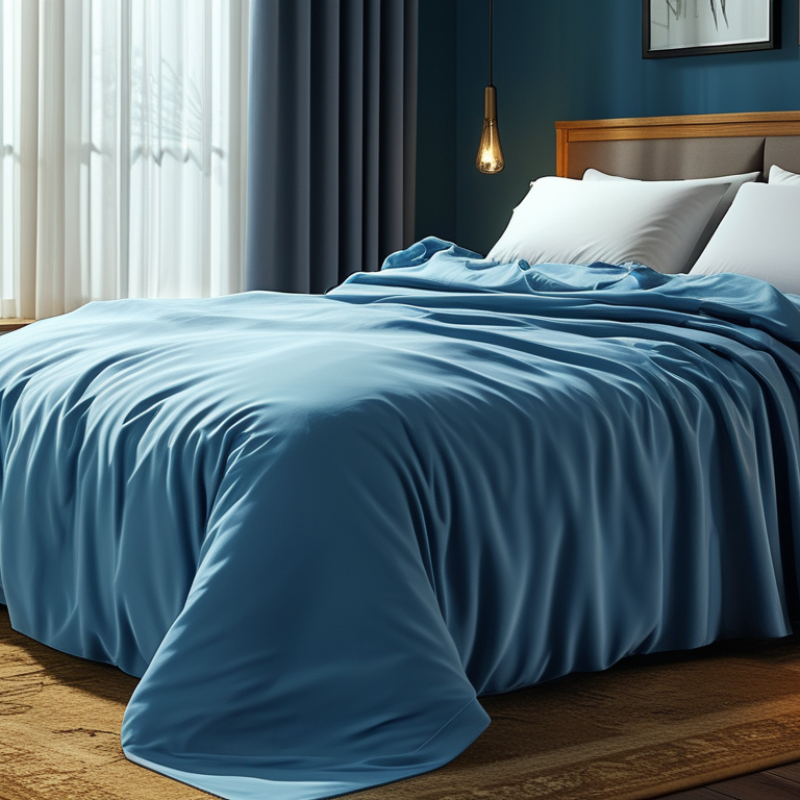
How to Stop Sweating at Night Even with Clean Sheets?

Understanding Night Sweats: Causes and Symptoms

Night sweats can disrupt sleep and affect overall health. Understanding their causes is essential. Various factors contribute to night sweats. Hormonal changes are a common trigger. Women often experience this during menopause. Fluctuating estrogen levels lead to increased body temperature.

Infections can also cause night sweating. Conditions like tuberculosis or HIV may lead to excessive sweating at night. Sleep disorders such as sleep apnea can worsen the problem. Mental health issues, including anxiety and stress, contribute as well. It's important to recognize these symptoms. Monitoring your body can help you identify the underlying cause.

Lifestyle choices play a role in night sweats too. Consuming spicy foods or alcohol can elevate body temperature. Poor sleeping environments, like heavy blankets, contribute to discomfort. Reassessing your sleep setup may provide relief. Remember, it’s a complex issue that often requires reflection and adjustment.

Evaluating Your Sleep Environment for Temperature Control

When grappling with night sweats, your sleep environment plays a crucial role. Temperature control is vital for a restful night. Start by assessing your bedroom's airflow. If your space feels stuffy, it may be time to reconsider your window dressings or add a fan. A well-ventilated room reduces humidity and helps maintain comfort.

Consider your bedding materials. Natural fibers like cotton or linen absorb moisture and are breathable. On the other hand, synthetic materials may trap heat. Your choice of pajamas is equally important; lightweight cotton can prevent overheating overnight. Reflect on your room's overall temperature. It’s recommended to keep your bedroom between 60°F to 67°F. Small adjustments, like lowering the thermostat, can have a significant impact.

Lighting also influences your sleep quality. Harsh, artificial lights can elevate your body's temperature. Opt for soft, dim lighting before bedtime to create a calming atmosphere. Think about clutter too; a tidy space can contribute to a more serene environment. Assess what works best for you; everyone’s ideal setup is unique, and it may take time to find yours.

Choosing the Right Bedding and Sleepwear to Reduce Sweating

Choosing the right bedding and sleepwear can significantly reduce nighttime sweating. Start by selecting breathable materials. Cotton is an excellent option. It absorbs moisture and promotes airflow. Avoid synthetic fabrics, which can trap heat. There are lightweight sheets designed specifically for hot sleepers.

Consider sleepwear too. Loose-fitting clothing made from natural fibers is best. Look for moisture-wicking sleepwear if you sweat profusely. It pulls sweat away from your body, helping you feel cooler. Some prefer soft, lightweight blends that enhance comfort.

Tips: Test different fabrics to find what works for you. Be mindful of your body temperature before bed. Having a cooler bedroom also helps, often overlooked. Experiment with various combinations of bedding and sleepwear until you achieve the ideal balance for restful sleep.

How to Stop Sweating at Night Even with Clean Sheets?

Bedding Type Material Breathability Rating Ideal for Hot Sleepers Recommendation
Cotton Sheets 100% Cotton High Yes Best for Regular Use
Bamboo Sheets Bamboo Viscose Very High Yes Eco-Friendly Choice
Silk Sheets 100% Silk Medium Moderately Luxurious Feel
Linen Sheets Flax Linen Very High Yes Best for Summer
Microfiber Sheets Polyester Blend Low Limited Affordable Option

Adopting Lifestyle Changes to Minimize Night Sweats

Night sweats can disrupt sleep quality and lead to discomfort. Maintaining a cool sleep environment is crucial. According to the American Academy of Sleep Medicine, a room temperature of around 60-67°F (15-19°C) is optimal for sleep. Consider using breathable fabrics for bedding. Cotton and linen are effective choices that promote airflow and wick moisture away from the skin.

Hydration also plays a key role. Dehydration can cause the body to overheat, triggering night sweats. The National Institutes of Health suggests drinking enough water throughout the day. Aim for at least 8 glasses, more if exercising. Additionally, monitor your diet. Spicy foods, caffeine, and alcohol can increase body temperature. An adjustment in evening meals might reduce the likelihood of night sweats.

Stress management techniques can further help. Practices like yoga and meditation promote relaxation. A survey from the Anxiety and Depression Association of America found that 74% of people experience stress-related symptoms. Implementing daily mindfulness activities can mitigate this stress. Recognizing individual triggers and making gradual lifestyle changes may enhance long-term comfort at night.

When to Seek Medical Advice for Persistent Night Sweating

Night sweating can be an uncomfortable experience. While many people experience occasional sweating, persistent night sweats may indicate an underlying health issue. According to a report from the American Academy of Sleep Medicine, approximately 30% of adults reported having significant night sweats at some point in their lives.

Understanding when to seek medical advice is crucial. If night sweats occur regularly and affect sleep quality, it's time to consult a healthcare professional. Conditions like hyperhidrosis, infections, or hormonal imbalances could be the culprits. A study from the Mayo Clinic indicates that over 50% of patients with chronic night sweats reported other health symptoms that required medical attention.

To manage night sweats at home, make small changes to your environment. Keep your room cool and use breathable materials for bedding. Incorporate relaxation techniques before bed to reduce stress, which can exacerbate sweating. Also, consider adjusting your diet by avoiding spicy foods and caffeine in the evening.

If simple adjustments don't help, consider tracking the frequency and intensity of your night sweats. Record other symptoms to provide your doctor with useful information. Seeking clinical advice becomes critical when experiencing unexplainable weight loss or fever alongside sweating.

FAQS

: How can I improve airflow in my bedroom?

: Use fans or reconsider window dressings to enhance ventilation. A well-ventilated room is key to comfort.

What bedding materials are best for night sweats?

Natural fibers like cotton and linen are ideal as they absorb moisture and are breathable.

Should I be cautious with my sleepwear choices?

Yes, lightweight cotton or moisture-wicking fabrics can prevent overheating. Choose loose-fitting sleepwear.

What temperature should my bedroom be for optimal sleep?

Aim for a bedroom temperature between 60°F and 67°F for a restful night.

How does lighting affect my sleep quality?

Harsh lighting can raise body temperature. Choose soft, dim lights before bed for a calming effect.

Why is a tidy room important for sleep?

A clutter-free space can create a serene environment, helping you relax and sleep better.

Is it necessary to test different fabrics for bedding?

Yes, experimenting with various fabrics helps find the best combination for your comfort and sleep quality.

How does humidity impact my sleep?

High humidity can make you feel hot and uncomfortable. Reducing it can improve your sleep quality.

Can small thermostat adjustments make a difference?

Yes, even minor changes can significantly impact your comfort level while sleeping.

Why might it take time to find my ideal sleep environment?

Everyone's preferences are unique, and it may require experimentation to discover what works best for you.

Conclusion

Night sweats can be a frustrating experience, often leading to discomfort despite having clean sheets. Understanding the underlying causes and symptoms of night sweats is crucial. Factors such as room temperature, humidity levels, and personal bedding choices can significantly influence sweating during sleep. For instance, adjusting your sleep environment to maintain a cooler temperature and selecting breathable bedding and sleepwear can help mitigate these episodes.

Lifestyle changes, such as managing stress levels and avoiding spicy foods before bed, can also play a role in reducing night sweats. If you find yourself asking, "why do I sweat at night even with clean sheets," and your symptoms persist, it may be time to seek medical advice. Persistent night sweats can signify underlying health issues that may require professional evaluation and treatment.

Ethan

Ethan

Ethan is a seasoned marketing professional with a deep expertise in our company's innovative product line. With a passion for sharing knowledge and insights, he takes the lead in regularly updating our corporate blog, where he explores industry trends, product features, and effective marketing......