Top 10 Tips for Choosing Bedding for Sensitive Skin?

Time:2026-05-09 Author:Aria
0%

Choosing the right bedding when you have sensitive skin can be a real challenge. It's essential to know how to choose bedding for sensitive skin to ensure both comfort and health. Sensitive skin is often prone to irritation, allergies, and discomfort. Thus, selecting the right materials is crucial.

Start by understanding fabric types. Natural fibers like cotton, bamboo, and linen are often better options. They allow your skin to breathe and reduce the risk of irritation. However, not all cotton is created equal. Look for organic or hypoallergenic options to minimize exposure to chemicals.

Texture plays a significant role too. Soft, smooth bedding can feel luxurious, but it’s vital to ensure that it’s also safe for your skin. Consider the thread count and weave patterns, as these can affect your experience. It’s about finding that balance between comfort and health. Don't hesitate to return products if they cause discomfort. Your bedding should nurture, not harm.
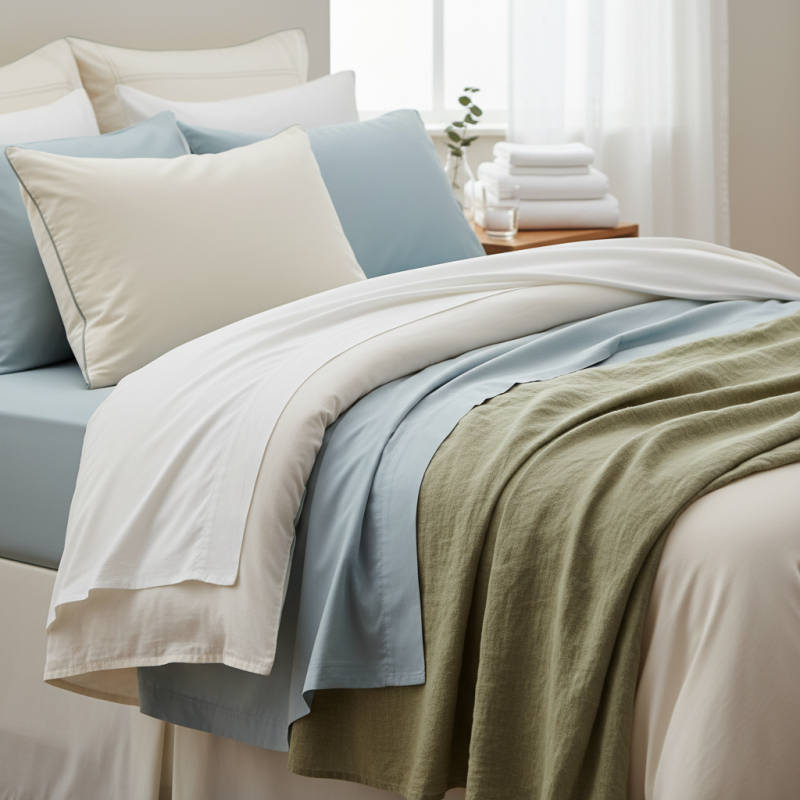
Top 10 Tips for Choosing Bedding for Sensitive Skin?

Understanding Sensitive Skin: Common Triggers and Needs

Sensitive skin can be a challenge to manage. It often reacts to certain materials, detergents, and environmental factors. According to a study from the American Academy of Dermatology, over 50% of individuals with sensitive skin report discomfort from their bedding materials. It is crucial to understand how fabric choices can impact skin health.

Many fabrics can trigger irritation. Synthetic fibers like polyester can trap heat and moisture, leading to skin problems. Natural fibers, such as cotton and bamboo, are often recommended. A recent report from the Textile Research Journal found that organic cotton reduces irritation by up to 40% compared to conventional fabrics. The breathability of these materials keeps the skin cool and comfortable.

Additionally, proper laundering habits are essential. Harsh detergents and fabric softeners may leave residues that irritate sensitive skin. A survey by the National Eczema Association indicated that 30% of respondents experienced an eczema flare-up due to laundry products. Choosing hypoallergenic, fragrance-free options can make a significant difference. Taking these steps may lead to better skin health and overall comfort.

Material Matters: Best Fabrics for Sensitive Skin Bedding

When selecting bedding for sensitive skin, fabric choice is crucial. Natural fibers like cotton and bamboo are often recommended. They are breathable and less likely to cause irritation. In a study published by the Journal of Dermatological Science, individuals with sensitive skin reported fewer allergic reactions when using these materials.

Silk is another excellent option. It has hypoallergenic properties and can help regulate body temperature. According to the American Academy of Dermatology, silk can reduce friction on the skin, which is beneficial for those with conditions like eczema. However, silk needs special care. It can be delicate and may not be as durable as robust fabrics.

On the downside, synthetic materials, like polyester, can trap heat and moisture. This may exacerbate skin issues. Experts recommend avoiding fabrics with harsh chemicals or dyes. Even seemingly harmless fabrics may contain irritants. Remember, what feels good for one person might not suit another. Testing different fabrics is essential. This journey may involve trial and error. It’s about finding the right balance for your specific needs.

Hypoallergenic Options: What to Look For in Bedding Labels

When choosing bedding for sensitive skin, understanding labels is crucial. Look for terms like "hypoallergenic" and "allergenic-free." These indicate materials designed to minimize allergic reactions. Natural fibers such as cotton or bamboo are often better choices. They allow for breathability and are less likely to irritate skin compared to synthetic options.

Check for certifications. Products with OEKO-TEX or GOTS labels meet strict safety standards. This assures you that the bedding is free from harmful substances. However, not all manufacturers use these labels. It's essential to research and verify claims.

Consider the thread count, too. Higher counts can mean softer sheets, but they must not compromise breathability. Some people find high thread counts irritating. Also, avoid bedding treated with dyes or chemicals. Natural, undyed options may feel rough initially but tend to be gentler over time. Remember that each person's sensitivity varies. It often takes experimentation to find the perfect bedding.

Choosing the Right Thread Count for Comfort and Breathability

Choosing the right thread count is crucial for those with sensitive skin. Thread count refers to the number of threads per square inch. Higher thread counts typically indicate softer bedding. However, this isn't the only factor influencing comfort. For optimal breathability, a thread count between 200 and 400 is often recommended. This range ensures a nice balance between softness and airflow.

A study from the Textile Research Journal notes that thread counts above 400 do not always result in significantly better quality. In fact, overly high counts can lead to dense fabric that traps heat. For sensitive skin, a fabric that allows air circulation is essential. Cotton, particularly long-staple cotton, tends to be a wise choice. It absorbs moisture effectively, reducing irritation.

Sensitivity varies among individuals. What works for one may not work for another. Always consider personal preferences alongside industry standards. Believe it or not, the feel of the fabric is sometimes more critical than the number itself. Testing different fabrics in-store could reveal surprising preferences. The tactile experience matters significantly when choosing bedding.

Maintenance Tips: How to Care for Bedding to Prevent Irritation

Caring for bedding is crucial for anyone with sensitive skin. Regular maintenance can significantly reduce irritation. Start by washing your bedding frequently. Use a hypoallergenic detergent to minimize allergens. Wash in hot water when possible, as this helps eliminate bacteria and dust mites. Always double-check the washing instructions to avoid damaging fabrics.

Drying your bedding properly also matters. Use a dryer on a low heat setting. This can help soften fabrics while ensuring they remain clean. If you prefer air drying, choose a well-ventilated area. Avoid drying in direct sunlight for long periods, as this can weaken fibers.

Changing your bedding regularly is essential too. Opt for natural, breathable materials like cotton or linen. Synthetic fabrics can trap moisture, leading to skin irritation. Be aware of your body’s reactions. If a particular material feels uncomfortable, switch to something softer. Remember, the goal is comfort, and it’s okay to experiment until you find the best bedding for your sensitive skin.

FAQS

: What types of fabrics are best for sensitive skin?

: Natural fibers like cotton and bamboo are excellent choices. They are breathable and reduce irritation.

Can silk be used for sensitive skin?

Yes, silk is hypoallergenic and helps regulate temperature. However, it requires careful handling and is delicate.

Are synthetic materials suitable for sensitive skin?

No, synthetic materials like polyester can trap heat. This may worsen skin issues for sensitive individuals.

What should I look for on bedding labels?

Look for "hypoallergenic" or "allergenic-free." These labels indicate materials that minimize allergic reactions.

How important is thread count in bedding?

Thread count matters but isn't everything. A count between 200 and 400 usually offers a good balance of softness and breathability.

Are high thread counts always better?

Not necessarily. Thread counts above 400 might trap heat and reduce breathability, which isn't ideal for sensitive skin.

Should I consider certifications when buying bedding?

Yes, certifications like OEKO-TEX or GOTS ensure bedding meets safety standards, confirming it's free from harmful substances.

How can I find the right bedding for my sensitivity?

It's a personal journey. Testing various fabrics is essential, as what feels good varies from person to person.

Are natural, undyed bedding options a good choice?

Yes, they may feel rough initially but tend to be gentler over time compared to treated fabrics.

What should I do if I experience irritation from my bedding?

Consider checking fabric labels and trying different materials. Not everything works for everyone, so keep experimenting.

Conclusion

When it comes to how to choose bedding for sensitive skin, understanding the specific triggers and needs of your skin is crucial. Sensitive skin can react to various materials, so selecting the right fabrics is essential. Opting for natural fibers like cotton, bamboo, or silk can minimize irritation and provide comfort. Additionally, it's important to look for hypoallergenic options that clearly label their benefits, ensuring the bedding is free from common allergens.

Another factor to consider is the thread count, as a higher thread count usually indicates a softer and more breathable fabric, which can further enhance comfort. Alongside material selection, proper maintenance is key to preventing irritation. Regular washing with gentle detergents and following care instructions can help maintain the integrity of the bedding while ensuring it remains suitable for sensitive skin. By keeping these tips in mind, you can create a comfortable and soothing sleep environment.

Aria

Aria

Aria is a dedicated marketing professional with a deep passion for innovative strategies and a keen understanding of our company's product offerings. With a wealth of experience in the industry, Aria excels at crafting engaging content that highlights the unique features and benefits of our......