Choosing the right duvet can be challenging. With various materials and thicknesses, it’s essential to understand what you need. In the realm of home textiles, expert opinions are invaluable. According to textile specialist Dr. Emily Chen, “The right duvet can enhance your sleep experience year-round.”
Industry reports suggest that nearly 70% of consumers buy duvets without proper guidance. Many people struggle to find a duvet suitable for all seasons. Factors like insulation, breathability, and weight play crucial roles. For instance, down duvets provide warmth but might retain too much heat in summer. Conversely, light synthetic options can lack comfort during winter months.
Learning how to pick the perfect duvet for all seasons involves understanding personal preferences and climate considerations. Consumers often overlook these key aspects. Assessing the fill power, fabric type, and care instructions is vital. A poor choice may lead to discomfort and restless nights. Reflections on buying decisions reveal the importance of seeking advice from professionals.
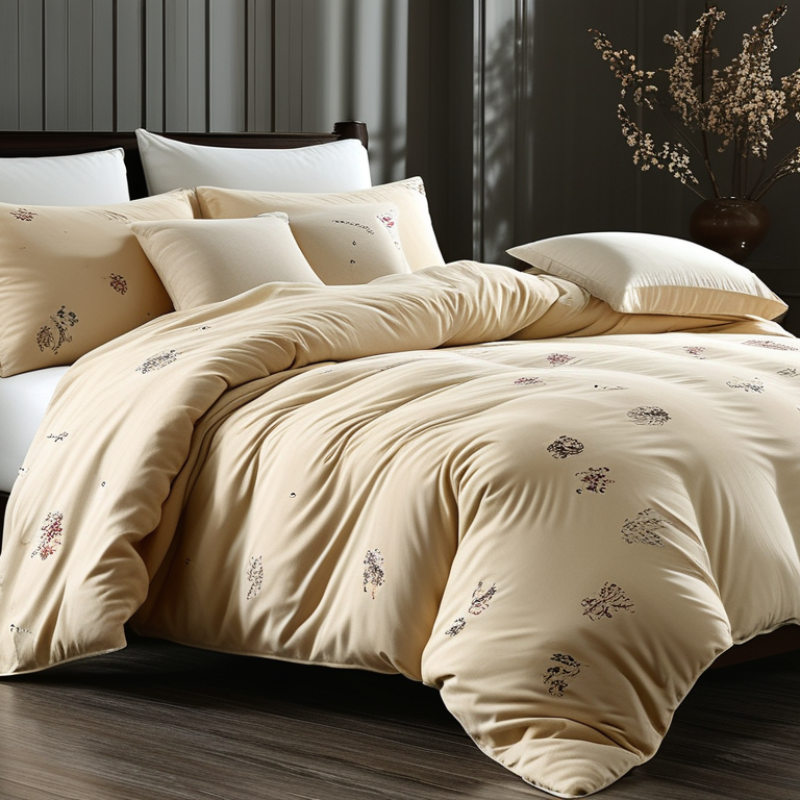
When choosing the best duvet for all seasons, several factors come into play. The most critical factor is the material. Natural fillings like down and wool provide excellent insulation and breathability. According to the Sleep Foundation, duvets made from down can regulate temperature effectively, making them suitable for both hot and cold months. Synthetic materials can also be good, but they might trap heat.
Weight is another essential aspect. Lighter duvets are easier to manage, particularly in warmer weather. A medium weight duvet can offer year-round comfort, but not everyone may find it adequate during extremes in temperature. The tog rating, which measures thermal insulation, varies widely. A duvet with a tog rating between 10.5 and 13.5 is generally considered versatile enough for all seasons, but this isn’t a one-size-fits-all solution.
Care is often overlooked. Some duvets require special cleaning methods, which can be inconvenient. Regular care can extend the duvet's life, but it also demands attention. Not everyone is aware of this. Customers often face dilemmas while balancing comfort, price, and longevity. Ultimately, while expert reports suggest various characteristics to assess, personal experiences will significantly affect the duvet’s performance in different seasons.
: Natural fillings like down and wool are great for insulation and breathability. They regulate temperature well.
Lighter duvets are easier to handle in warm weather. Medium weight offers comfort year-round, but not for everyone.
The tog rating measures thermal insulation. A rating between 10.5 and 13.5 is generally versatile for all seasons.
Proper care can extend a duvet's lifespan. Some require special cleaning methods, which can be inconvenient for users.
Seasonal variations can change your comfort needs. Personal preferences matter a lot when selecting a duvet's tog rating.
Measure your bed to avoid cold spots or bulkiness. Standard sizes include twin, full, queen, and king.
If you move a lot at night, a slightly larger duvet ensures better coverage for a comfortable sleep.
Higher fill power means more warmth without bulk. This is vital for an all-season duvet choice.
Many struggle to balance comfort, price, and durability. Trusting your instincts is important, yet it can feel overwhelming.
Removable covers make it easier to adjust based on temperature changes. This adds versatility throughout the year.
In selecting the ideal bedding for year-round comfort, understanding how to pick the perfect duvet for all seasons is essential. Factors to consider include the type of materials used, as various fabrics offer different benefits in terms of warmth and breathability. Familiarizing oneself with the warmth levels suited for each season ensures that the duvet provides adequate insulation during colder months while remaining comfortable in warmer weather.
Additionally, proper sizing is crucial to ensure compatibility with your bed, offering both aesthetic appeal and functional performance. Maintaining the duvet through proper care techniques can enhance its longevity and overall performance, ensuring that your investment remains effective and comfortable for years to come. By examining these key elements, you can confidently choose a duvet that meets your needs throughout the year.

 Texdura Textile