White sheets can brighten any bedroom. Yet, many people notice their white linens turning yellow over time. This issue can be frustrating, especially for those who take pride in maintaining a clean and fresh home. According to Marie Kondo, a renowned organization expert, "Taking care of your linens is part of creating a joyful living space."
To understand how to keep white sheets from turning yellow, it's essential to recognize the causes. Body oils, sweat, and even certain laundry detergents can lead to discoloration. The accumulation of these factors can make fresh white sheets look dingy and old. Regular washing is crucial, but not all methods are effective.
Experts recommend several practices to maintain whiteness. Choosing the right detergent is vital. Additionally, using vinegar can help eliminate yellow stains. Regularly rotating your sheets can also reduce wear and prolong their brightness. By adopting these routines, you can enjoy crisp white sheets for much longer.
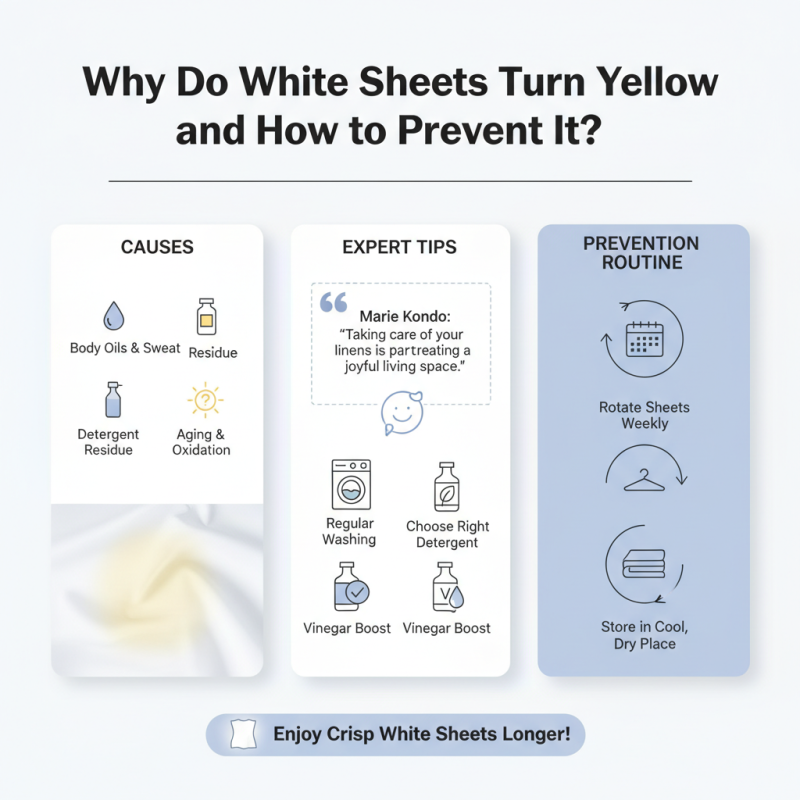
White sheets are a staple in many households. However, they often turn yellow over time, which can be frustrating. This yellowing is caused by several factors, primarily sweat, body oils, and the breakdown of fabric fibers. When linens are exposed to moisture, these substances cling to the fibers, resulting in discoloration.
Another key factor is the environment. Humidity and exposure to sunlight can accelerate yellowing. Using certain laundry detergents with optical brighteners might seem beneficial. However, they can sometimes contribute to a yellowish tint over time. Additionally, improper washing techniques can exacerbate the issue. Failing to rinse sheets thoroughly can leave residues that lead to discoloration.
To keep your sheets looking bright, consider these tips: Wash them regularly with a mild detergent that suits white fabrics. Avoid fabric softeners, as they can build up on the sheets. Instead, try adding a cup of white vinegar to the rinse cycle. It helps break down residues and brighten whites. Lastly, wash them in cold water to preserve fabric integrity.
Laundry practices play a crucial role in maintaining the bright white color of sheets. Over time, factors like detergent residue and water quality can cause sheets to lose their luster. When you wash white sheets, using too much detergent can leave a film that attracts dirt. This film can make sheets appear off-white or yellowed.
Water quality also matters. Hard water contains minerals that can build up on fabrics. This buildup can contribute to discoloration over time. Washing sheets in hot water might seem effective, but it can exacerbate yellowing, especially if detergent isn't rinsed out completely. Air-drying your sheets in direct sunlight can help revive their brightness, but excessive sun exposure may weaken the fabric.
Consider altering how you handle your laundry. Try using less detergent and adding baking soda or white vinegar as natural brighteners. Additionally, regularly cleaning your washing machine can prevent musty odors and residue buildup. These small changes might lead to surprising improvements in the appearance of your sheets. While achieving permanent whiteness may not be possible, a few thoughtful adjustments can significantly enhance your laundry results.
| Laundry Practice | Impact on Sheet Color | Prevention Method |
|---|---|---|
| Using Bleach | Can lead to yellowing over time due to chemical reactions | Use oxygen bleach instead of chlorine bleach |
| Improper Drying | Excessive sunlight can cause yellowing | Dry in a shaded area or indoors |
| Using Fabric Softener | Residue can build up and cause discoloration | Limit use of softeners or opt for natural alternatives |
| Not Washing Regularly | Body oils and sweat can cause yellow stains | Wash sheets weekly to prevent buildup |
| Storing Dirty Sheets | Can lead to mold/mildew, resulting in yellowing | Store clean sheets in a dry place |
White sheets often turn yellow due to various environmental factors.
Sunlight, moisture, and pollutants play significant roles in fabric discoloration. Ultraviolet rays can break down fibers, causing them to become brittle and yellow over time. Additionally, body oils, sweat, and the airborne dust settle on sheets, contributing to their fading appearance.
To prevent yellowing, consider using protective measures. Store sheets in a dark, cool place to minimize exposure to sunlight. Wash sheets regularly to remove oils and dirt that can cause discoloration. Use a gentle detergent that is free from harsh chemicals. This helps maintain the integrity of the fabric.
Humidity is another factor to consider. High humidity can lead to mildew growth, which may cause yellow stains. Ensure your laundry room is well-ventilated. Hang sheets to dry instead of using a dryer whenever possible. This practice keeps them fresh and reduces the risk of discoloration.
White sheets can add elegance to a bedroom, but they often turn yellow over time. This change is usually due to several factors. Body oils, sweat, and environmental exposure contribute to this frustrating issue. To combat yellowing, you can implement a few effective methods that enhance the longevity of your sheets.
Regular washing is essential for maintaining brightness. Use hot water when appropriate, as it can effectively remove dirt and grime. Consider adding white vinegar or baking soda during the wash cycle. These natural alternatives brighten fabric without damaging fibers. Air drying in the sun can also help restore whiteness, harnessing the power of UV rays. However, be cautious; excessive sun exposure can weaken fabric over time.
Storing sheets properly is something many overlook. Ensure sheets are completely dry before folding. Avoid plastic containers, as they can trap moisture and lead to mold growth. Instead, use cotton or breathable storage bags. Even the smallest details matter when ensuring your white sheets stay fresh and bright, so reflect on your care routine regularly.
Over time, white sheets can turn a frustrating shade of yellow. This change often stems from body oils, sweat, and detergent residues. Regular washing is not always enough to keep sheets bright. Stains may linger, making the fabric appear dull and unattractive.
One effective technique is to soak the sheets in a mixture of baking soda and water. This can help lift stubborn stains. Another approach is to wash them in hot water with a cup of white vinegar. Vinegar acts as a natural brightener. Adding a few drops of lemon juice can also enhance whiteness.
For deeper cleaning, consider using oxygen bleach. It can break down yellowing without harsh chemicals. However, be cautious and follow the instructions carefully. Always test a small area first to avoid damage. Regular maintenance is key. Rotate your sheets often and wash them according to care instructions.
This chart illustrates the common causes of yellowing in white sheets and the effectiveness of various cleaning methods to restore their brightness.
: Use less detergent and add baking soda or white vinegar. Avoid using too much detergent.
Body oils, sweat, and detergent residues contribute to discoloration over time.
Hot water can make yellowing worse, especially if detergent isn't rinsed out properly.
Soak sheets in a mixture of baking soda and water for effective stain removal.
Hard water can leave mineral buildup, causing sheets to discolor and lose their luster.
Yes, air-drying in sunlight can brighten sheets, but excessive sun exposure may weaken the fabric.
Try washing with a cup of white vinegar or adding lemon juice for extra brightness.
It is effective, but use caution and follow instructions to avoid fabric damage.
White sheets can turn yellow due to a variety of factors, including improper laundry practices, environmental influences, and the natural breakdown of fibers. Regular exposure to sweat, body oils, and detergent residues can significantly impact the brightness of the fabric. To maintain the vibrancy of your sheets, it's important to understand how to keep white sheets from turning yellow by adopting effective laundering techniques and utilizing appropriate cleaning agents.
Preventative measures include washing sheets with hot water, using oxygen-based bleach, and ensuring thorough rinsing to eliminate any soap residue. Additionally, storing sheets in a cool, dry place away from direct sunlight can help mitigate environmental factors that contribute to discoloration. By implementing these practices, you can effectively restore and maintain the brightness of your white sheets, prolonging their lifespan and aesthetic appeal.

Texdura Textile