Explore our elite range of advanced thermal insulation inserts, custom linens, and high-performance alternative comforters designed for international commercial and residential specifications.
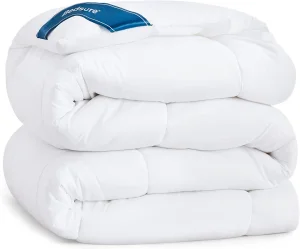

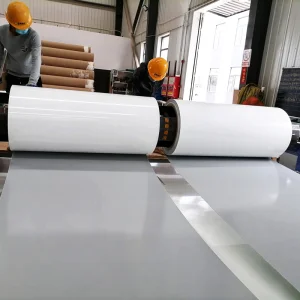
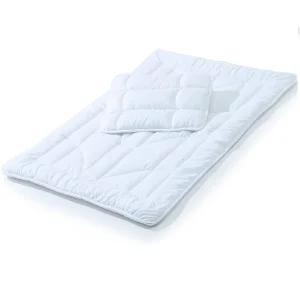
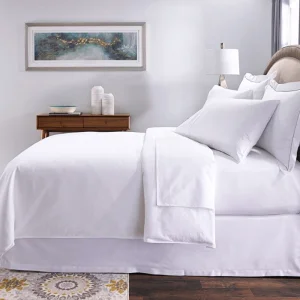
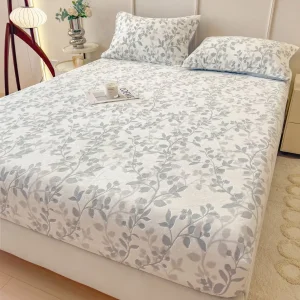

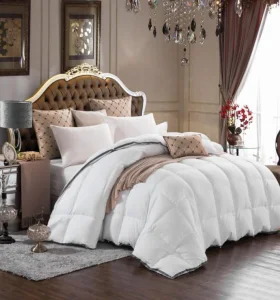
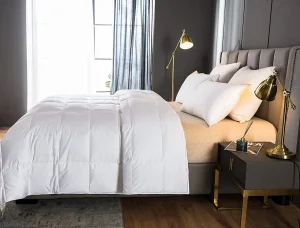
The international down duvet and premium comforter industry represents a high-value sector in luxury home textiles. Driven by changing lifestyle preferences, rising disposable incomes in developing economies, and an escalating consumer demand for ergonomic, temperature-regulating bedding, the global down duvet market is undergoing structural shifts. Down, sourced primarily from geese and ducks, remains the gold standard in thermal insulation due to its exceptional warm-to-weight ratio, structural loft recovery (Fill Power), and natural breathability.
In highly saturated markets such as North America and Western Europe, consumer demand is moving beyond simple utility toward sustainable, certified natural insulation materials. Modern purchasing pathways are heavily influenced by environmental criteria, raising the baseline standard for B2B procurement teams. As a result, retailers and institutional clients now demand verification of strict animal welfare standards, eco-conscious processing protocols, and certified hypoallergenic treatments. These shifts mean that sourcing managers must partner with manufacturers capable of providing comprehensive documentation alongside high-performance textile engineering.
Simultaneously, the hospitality sector—including premium boutique hotels, international five-star resorts, and serviced residences—is upgrading its bedding setups. High-frequency laundering and guests' expectations of consistent warmth demand down comforters built with enhanced structural integrity. This includes features like double-stitched self-piping edges, high thread-count down-proof shell fabric barriers, and custom baffle designs. To meet these needs, supply-chain leaders rely on advanced Chinese manufacturing centers that combine cost efficiency with rapid custom engineering.
China is the global leader in waterfowl breeding and raw down extraction, processing over 70% of the world's raw duck and goose down. This massive local supply chain gives Chinese factories an unmatched raw material advantage. By working directly within this ecosystem, Chinese manufacturers avoid the international shipping delays and duty markups that drive up costs for regional suppliers elsewhere.
In addition to raw material access, Chinese factories lead the industry in manufacturing technology. Modern production lines utilize automated sorting, dedusting, multi-stage washing, and computerized down-filling equipment. Advanced sorting machines use precise airflow chambers to separate down clusters from fine feathers, ensuring accurate fill power ratings. In contrast, manual filling lines elsewhere struggle with weight variation and inconsistent cluster distribution, which can lead to cold spots in the final duvet. Automated filling systems maintain weight tolerances within +/- 2 grams per box, ensuring uniform thermal performance across the entire duvet surface.
Additionally, Chinese manufacturers benefit from integrated regional textile clusters. Fabric weaving mills, dyeing plants, piping producers, and packaging facilities operate close to one another, keeping domestic lead times short. This close proximity allows factories to source specialized, high-density cotton shells (such as 233TC, 300TC, or 400TC down-proof fabrics) and modern functional synthetic blends within days. For B2B buyers, this ecosystem translates to faster production turnarounds, lower minimum order quantities (MOQs) for custom requests, and stable pricing, even during peak autumn and winter ordering cycles.
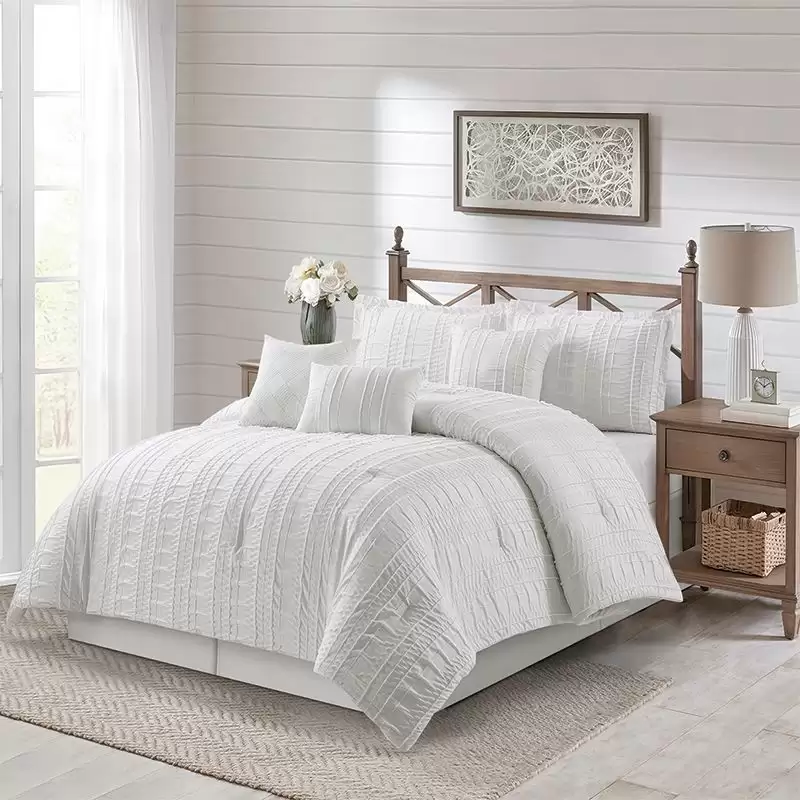
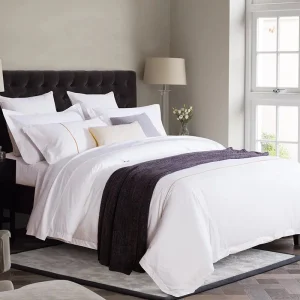
Guangzhou Texdura Textile Co., Ltd. is a leading luxury home bedding manufacturer based in Guangzhou, China, specializing in high-quality bedding solutions for both domestic and international markets. With years of experience in the textile industry, Texdura has established a reputation for producing comforter sets, pillowcases, bed linens, and hotel collection bedding that combine elegance, comfort, and durability.
The company focuses on custom OEM services, offering tailored solutions to meet diverse client needs, from boutique hotels to large-scale hospitality chains and retail brands. By integrating advanced production technology, strict quality control, and sustainable materials, Texdura ensures every product delivers superior softness, long-lasting performance, and a luxurious feel.
Texdura’s design and development team continuously innovates to create trend-driven bedding collections that align with global interior aesthetics, including seasonal designs, premium fabric blends, and ergonomic bedding solutions. The company’s commitment to quality is supported by a comprehensive supply chain, efficient production processes, and dedicated customer service, ensuring timely delivery and consistent standards.
As a trusted partner for international buyers, Guangzhou Texdura Textile Co., Ltd. excels in providing complete bedding solutions, from concept and design to production and packaging. Whether supplying luxury bedding sets for hotels or customized comforters for retail clients, Texdura remains focused on combining craftsmanship, innovation, and customer satisfaction, making it a preferred choice for those seeking premium home textile solutions from China.

High-quality down duvets are defined by their construction and raw material choices. Understanding these technical elements is essential for bulk buyers managing commercial requirements:
The shell fabric acts as the physical barrier keeping the fill contained. Without precise thread construction, down clusters and fine feathers can leak over time. Standard options start with 233 Thread Count (TC) cotton fabrics, but high-end applications use 300TC to 400TC combed long-staple cotton or cotton-Tencel blends. These shells are treated with a specialized mechanical finish that shrinks the fabric pores to keep down securely inside while maintaining breathability.
The interior architecture of a duvet controls how heat is distributed. In standard sewn-through duvets, the top and bottom fabric layers are stitched directly together. This construction is lightweight and cost-effective, but the stitching lines create thin areas where heat can escape. Premium down duvets use baffle box construction, where thin fabric vertical walls are sewn inside to create three-dimensional chambers. This design allows the down to loft fully, eliminating cold spots and maintaining consistent insulation.
Technical Insight: Baffle box walls are typically engineered at heights of 2 to 5 centimeters. This space allows the down to loft and hold air without shifting, maintaining the duvet's thermal efficiency and shape over long-term use.
As the B2B bedding market matures, buyers are prioritizing supply chain security, environmental sustainability, and functional performance. Sourcing teams can leverage several key trends to optimize their purchasing:
Modern consumers expect ethical sourcing. Leading brands and hotel groups now require certified traceable down, such as RDS (Responsible Down Standard) or Downpass. These audits trace materials from farms to packaging, ensuring no live-plucking and supporting humane treatment. Partnering with certified factories helps B2B buyers protect their brand reputation and meet import requirements in regulated markets.
Untreated down can trap dust and moisture, which may cause allergic reactions. To address this, modern processing facilities use multi-stage washing with bio-degradable detergents. This thorough washing cycle achieves high turbidity ratings (often exceeding 1000mm in oxygen-testing scores), ensuring the down is clean, free of organic residue, and naturally hypoallergenic.
To balance cost and performance, factories are developing hybrid fills that combine natural down with advanced synthetic microfibers. These hybrid fills offer the loft and breathability of down alongside the moisture resistance and durability of synthetics, making them a popular choice for high-use commercial environments like hotels.
To reduce international shipping costs, manufacturers use automated vacuum compression packing. This process compresses the duvets for shipping, then allows them to fully loft back to their original volume upon unpacking. Combined with custom retail-ready packaging and localized warehousing, this approach helps global buyers manage inventory efficiently.
Technical answers to help B2B buyers, product managers, and hospitality procurement directors make informed sourcing decisions.
Explore our high-density weaves, luxury sheet sets, and performance bedding options designed for commercial use.
 Texdura Textile